
The Best Things to Do in Asakusa, Tokyo
Tokyo’s oldest temple, and the cheapest beds worth having.
- Half a day
- 3 of 8 free
- Places covered
- 8
- Free to visit
- 3
- Time to allow
- Half a day
- Lines serving it
- 4
What the district is
Asakusa has Tokyo’s oldest temple, its busiest shopping street, and the cheapest rooms of any area worth staying in. Sensō-ji dates from 645. Everything’s within a 15-minute walk of the station, so half a day does it.
Come before 8am or after 8pm. Between 10 and 4 the main street is packed and you’ll queue for every photo. The grounds never shut, so both slots are open to you.
8 places, what each costs
Durations are what these actually take. 3 of the 8 are free.
- 01Sensō-ji45 minutes to an hourFree
- 02Nakamise-dōri20 minutes¥200–500 for the snacks
- 03Asakusa Culture Tourist Information Center15 minutesFree
- 04Tokyo Skytree1.5 to 2 hours including the queue¥2,400–3,500
- 05Sumida Park20 minutesFree
- 06Kappabashi1 to 2 hoursFree to browse
- 07Hanayashiki1 to 2 hours¥1,200 entry, rides extra
- 08The Sumida River cruise35 minutes to HamarikyuFrom about ¥1,000
How Asakusa fits together
Everything runs north from the Kaminarimon gate. Nakamise-dōri takes you the 250m up to the temple, with the quieter Denbōin-dōri crossing halfway. The river is 3 minutes east, Skytree a 20-minute walk over the bridge, and Kappabashi 10 minutes west. You won’t need a train once you’re here.
Getting here
- Asakusa — Tokyo Metro Ginza line, the fastest route from Ueno and Ginza
- Asakusa — Toei Asakusa line, direct to Haneda without changing
- Asakusa — Tōbu Skytree line, one stop to Tokyo Skytree
- Asakusa — Tsukuba Express, a separate station 5 minutes’ walk west
Everything worth your time
Entry prices, and the time each one actually takes.
Sensō-ji
Buddhist temple, founded 645
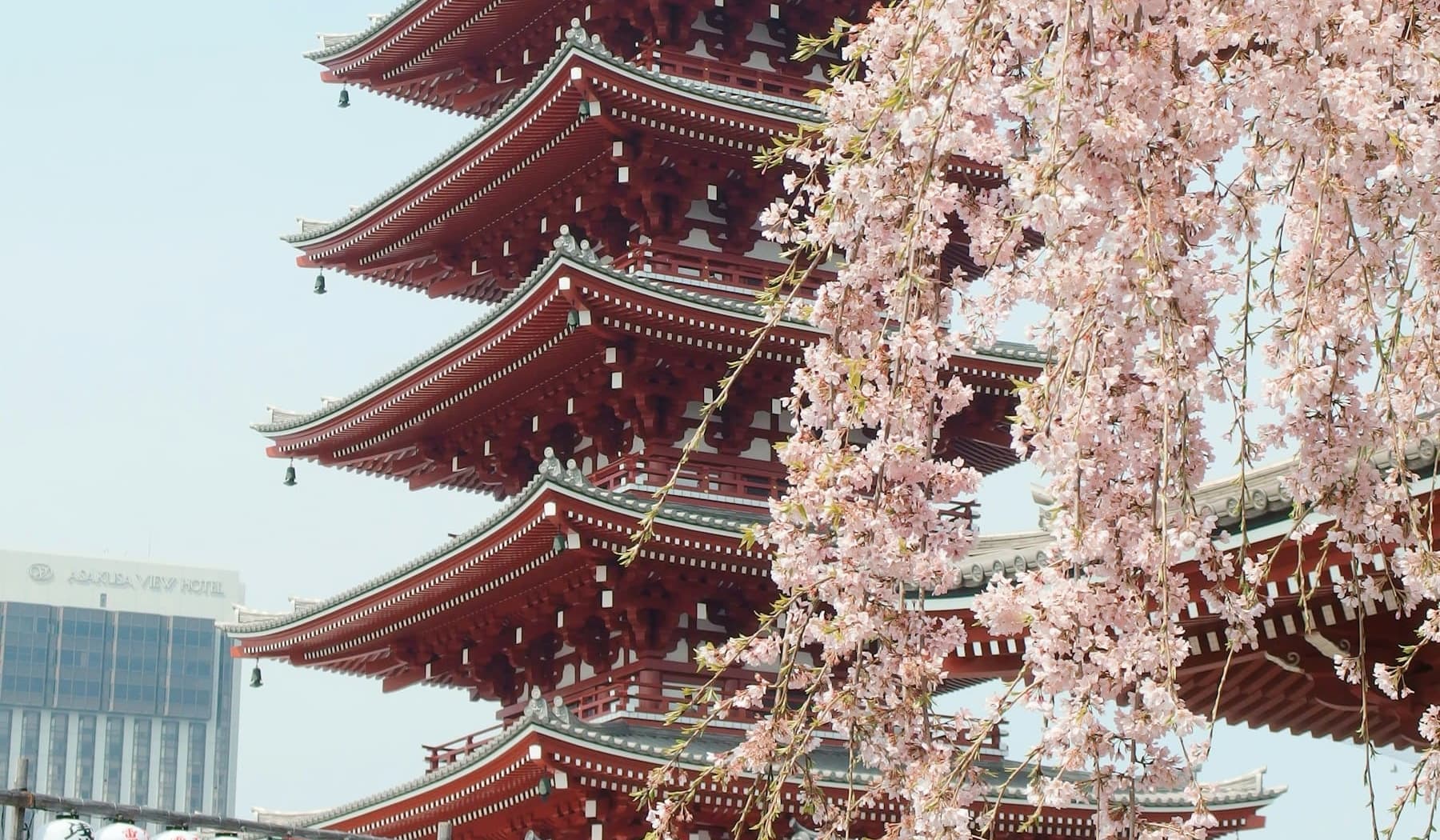
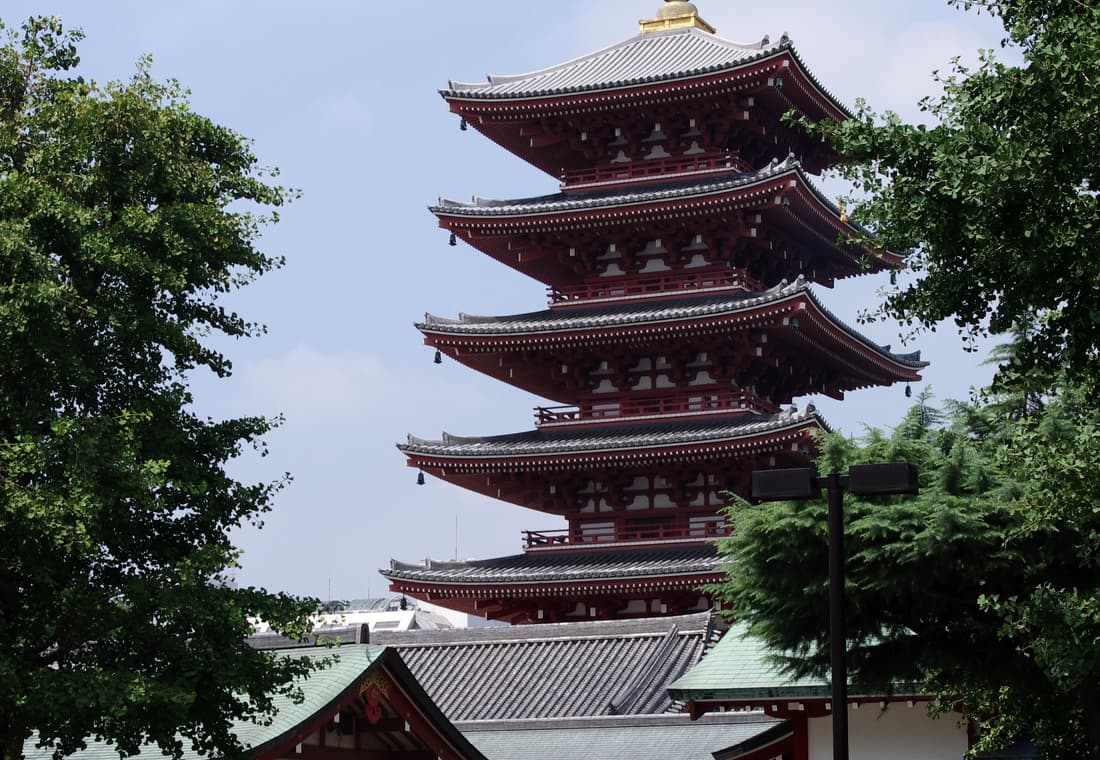
Sensō-ji is the oldest temple in Tokyo, and the district grew up around it. You enter beneath Kaminarimon, a gate with a red paper lantern nearly 4m tall hanging in the middle of it. Nakamise-dōri covers the 250m from there to a second gate, Hōzōmon, and the main hall stands behind that. What you see is a post-war rebuild: the originals burned in the 1945 firebombing, and the replacements went up in reinforced concrete rather than timber. The grounds stay open through the night, and the five-storey pagoda beside the hall is floodlit until about 11pm.
Our take
Go at 7am or after 8pm. Those are the only two windows where you can stand in front of the main hall without queuing to do it, and the second one is the more photogenic of the two.
Jakub HałunCC BY-SA 4.0
- Cost
- Free
- Allow
- 45 minutes to an hour
Nakamise-dōri
Shopping street, trading since the 1600s
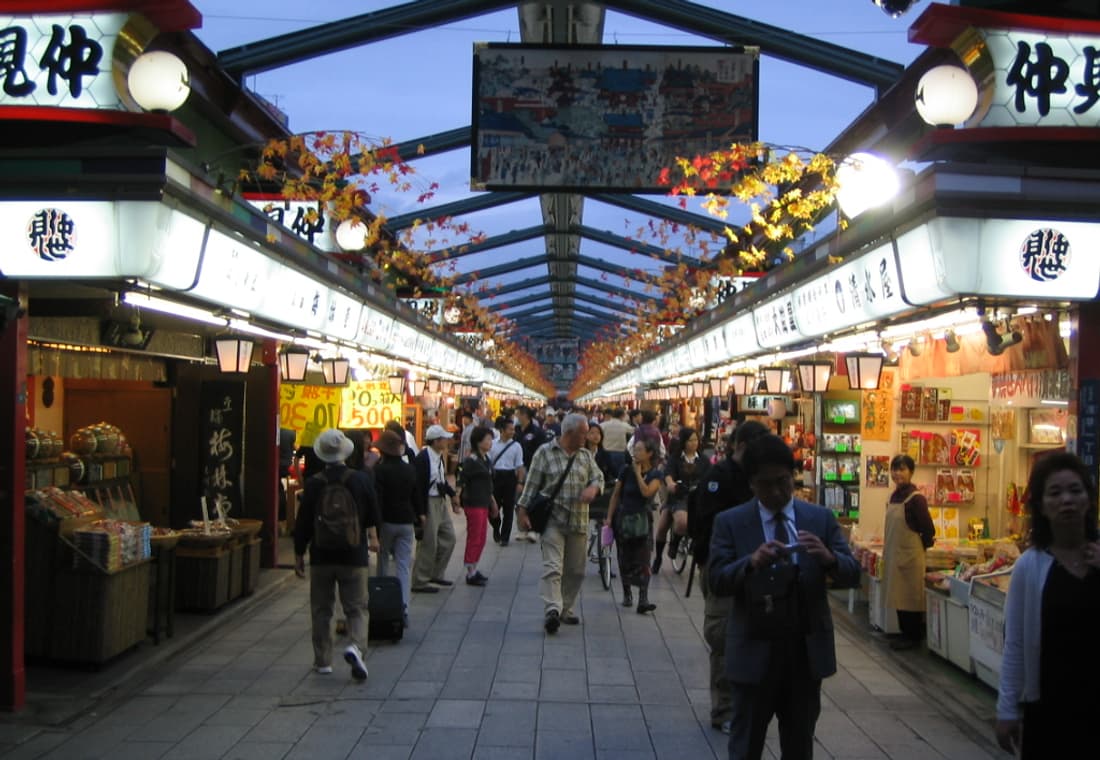
Nakamise-dōri fills the 250m between the two gates with about 90 stalls, and traders have worked this spot since the 1600s. Most of what it sells now is souvenir stock — folding fans, phone charms, the same goods at the same prices from one end to the other. The food is the reason to stop. Ningyō-yaki are small red-bean sponge cakes cooked in moulds while you watch, and age-manjū is the same filling deep-fried.
Our take
Walk it once for the approach it gives you to the temple rather than for the shopping. Stalls shut between 5pm and 6pm, earlier than most visitors expect, and the hour after that is the best of the day: the shutters come down and show painted panels underneath.
David GómezCC BY-SA 2.5
- Cost
- Free to walk, ¥200–500 for the snacks
- Allow
- 20 minutes
Asakusa Culture Tourist Information Center
Public building with a free observation terrace
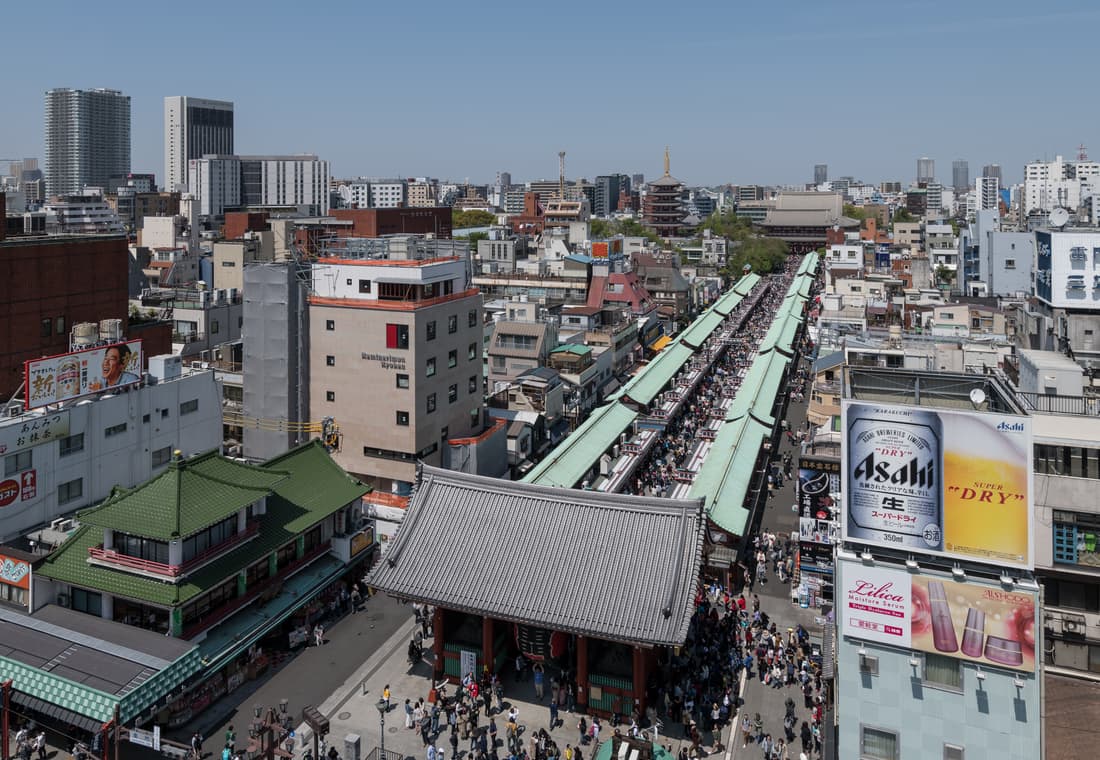
Kengo Kuma designed this building to look like eight small wooden houses stacked one on another, and it stands directly across the road from Kaminarimon. Take the lift to the eighth floor. The terrace up there is free, and it looks straight down the length of Nakamise-dōri to the temple, with Skytree standing off to the right. The ground floor has English-speaking staff, a café and clean toilets.
Our take
It is the best free view in the district and the most useful building in it. Most people walk straight past without knowing the terrace is up there.
DXRCC BY-SA 4.0
- Cost
- Free
- Allow
- 15 minutes
Time to allow
Half a day
What a first visit gets wrong
- Rickshaw drivers work the streets around Kaminarimon and quote by the course, usually ¥4,000–9,000 for two people for 30 minutes. The price is fixed and they tell you up front, but confirm the number before you get in.
- Kimono and yukata rental runs about ¥3,000–6,000 for the day including someone dressing you. Book the morning slot. The afternoon one hands you back to a shop that’s trying to close.
- Nakamise and the temple food stalls take cash only. The convenience stores take cards.
- The last Ginza line train leaves Asakusa just after midnight. Miss it and a taxi across the city runs to several thousand yen.
- Denbōin-dōri crosses Nakamise halfway up. It gets a fraction of the foot traffic and lands you at the same temple grounds.
Tokyo Skytree
Broadcasting tower, 634 metres, opened 2012
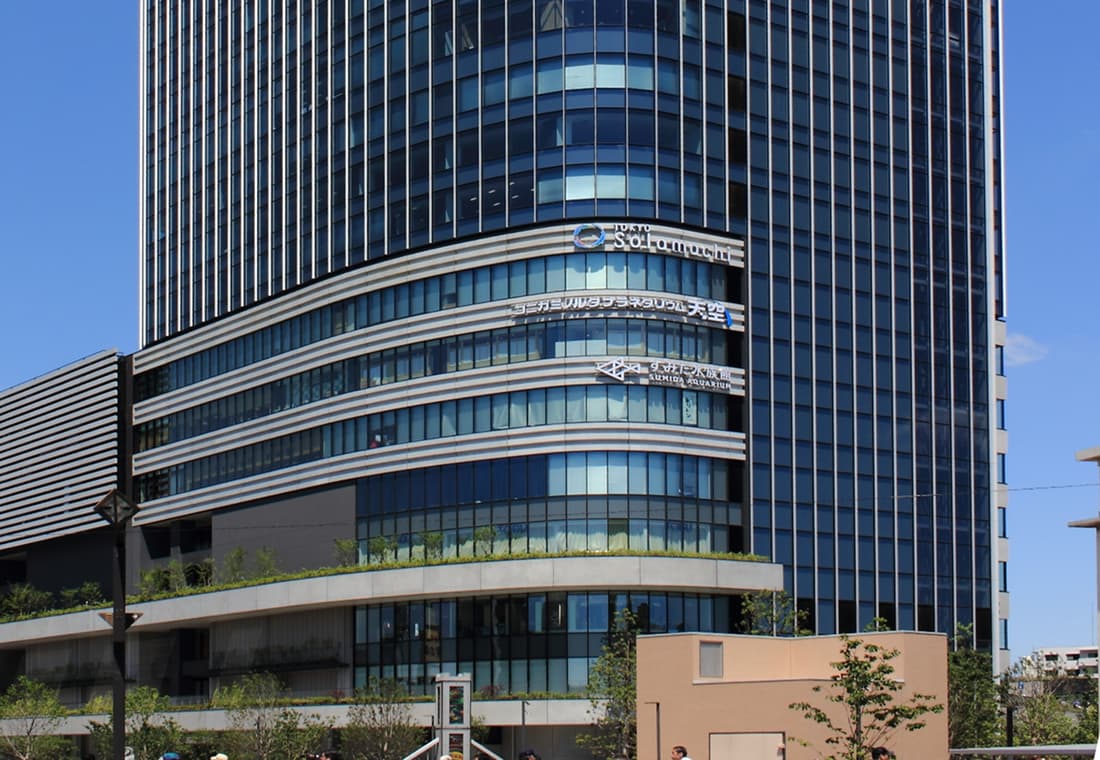
Skytree rises 634m from the far bank of the Sumida, a 20-minute walk from the temple or one stop on the Tōbu line. Two decks are ticketed: the main one at 350m and a spiral galleria at 450m. Expect about ¥2,400 for the lower deck and about ¥3,500 for both, and less if you book online rather than at the door. The shopping complex at the base costs nothing to walk around and holds an aquarium.
Our take
For most visitors, no. Tokyo has no single landmark to pick out from above, so a 350-metre view is largely unbroken sprawl, and it costs ¥2,400 to ¥3,500. The Metropolitan Government Building in Shinjuku gives you the same city at 202 metres for nothing. The free terrace opposite Kaminarimon puts Skytree in the frame rather than under your feet.
KakidaiCC BY-SA 3.0
- Cost
- ¥2,400–3,500
- Allow
- 1.5 to 2 hours including the queue
Sumida Park
Riverside park, cherry trees on both banks
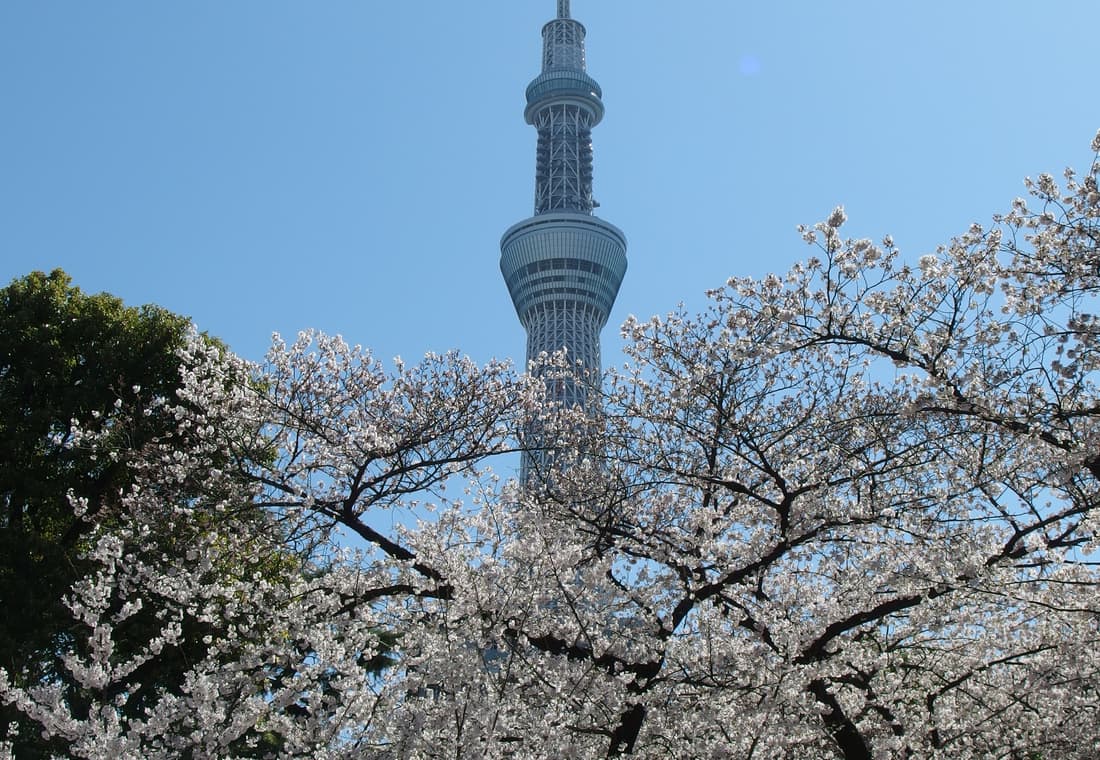
Sumida Park runs along both banks of the river just east of the temple, planted with cherry trees that face Skytree across the water. For two weeks in late March and early April it becomes one of the busiest hanami sites in Tokyo. The rest of the year it is quiet, and it holds most of the benches in the district. Stand on Azumabashi bridge at the southern end for the photograph everybody takes.
Guilhem Vellut from Annecy, FranceCC BY 2.0
- Cost
- Free
- Allow
- 20 minutes
Kappabashi
Restaurant supply street, about 800m
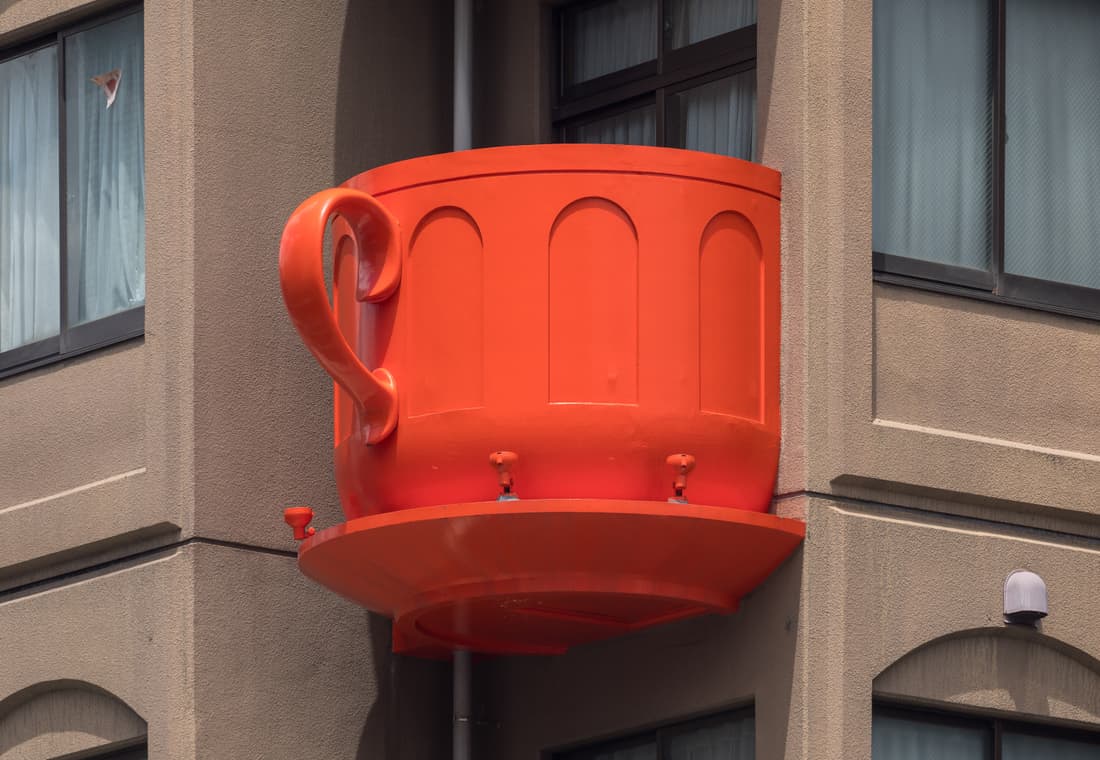
Kappabashi is where Tokyo’s restaurants buy their equipment, and it runs for about 800m starting a 10-minute walk west of the temple. Roughly 170 shops sell knives, ceramics, lacquerware, noren curtains and the plastic food replicas that sit in restaurant windows. The knife shops sharpen and engrave while you wait, and most will explain the difference between a gyuto and a santoku if you ask.
Our take
Kappabashi offers better value than anything on Nakamise, and it is the only shopping in the district aimed at people who cook. Most shops close around 5pm and many shut on Sundays, so it does not work as an evening plan.
Basile MorinCC BY-SA 4.0
- Cost
- Free to browse
- Allow
- 1 to 2 hours
Hanayashiki
Amusement park, opened 1853
Hanayashiki opened in 1853, which makes it the oldest amusement park in Japan, and it is wedged into a small plot behind the temple. Its roller coaster dates from 1953 and passes within arm’s reach of the surrounding buildings. Entry costs about ¥1,200 with rides charged separately, or a little over ¥3,000 for a combined pass.
Our take
It is worth an hour if you have children under about 10. Otherwise the entry fee buys very little unless you are riding, and Kappabashi is 10 minutes away.
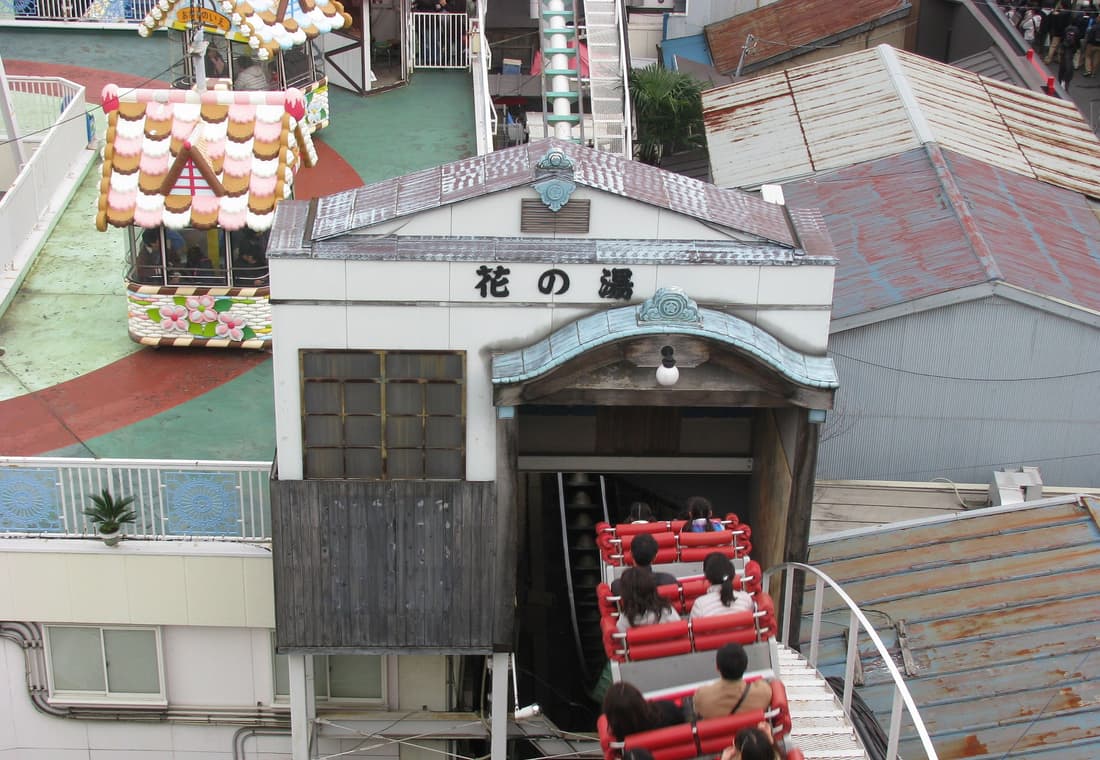
AimaimyiCC BY-SA 3.0
- Cost
- ¥1,200 entry, rides extra
- Allow
- 1 to 2 hours
The Sumida River cruise
Water bus to Hamarikyu and Odaiba
Boats leave from the pier beside Azumabashi and reach Hamarikyu Gardens in about 35 minutes, with some services carrying on to Odaiba. The fare to Hamarikyu is around ¥1,000 and covers entry to the garden. The route passes under a dozen bridges, each one painted a different colour.
Our take
Take it as transport rather than as a cruise — the way to leave Asakusa for Hamarikyu, with garden admission included in the fare.
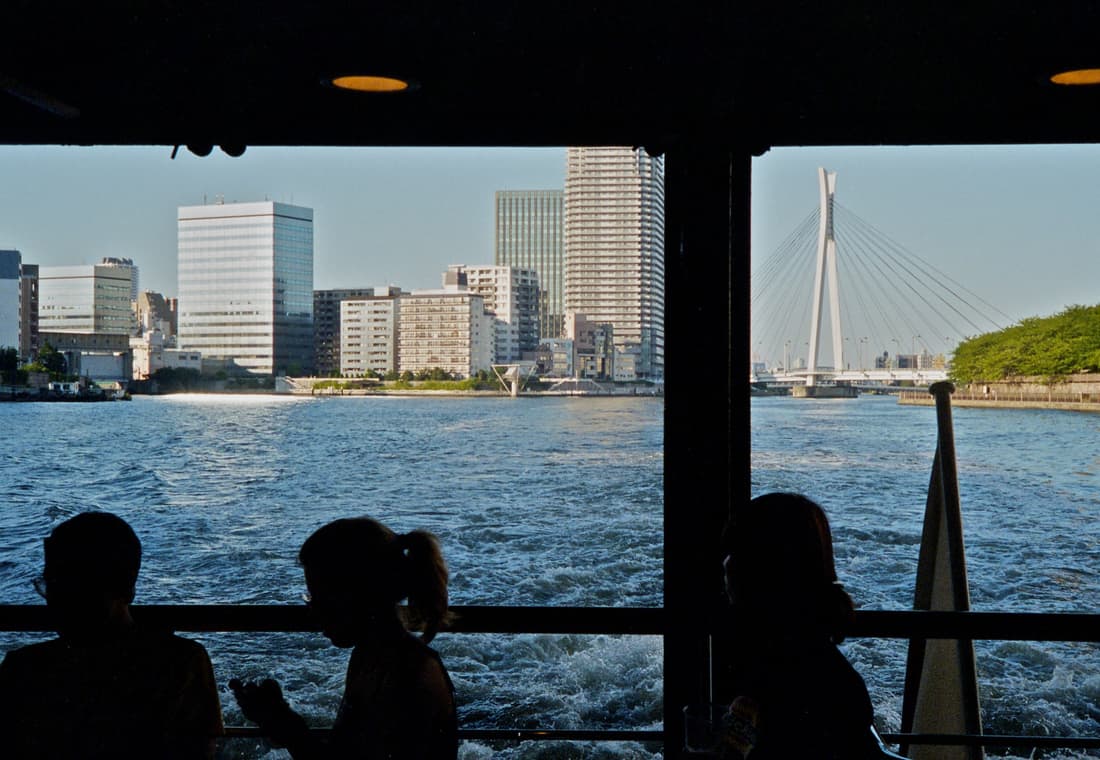
Ryoichi Komatsu from Tokyo, JapanCC BY 2.0
- Cost
- From about ¥1,000
- Allow
- 35 minutes to Hamarikyu
Sleeping in Asakusa
Old Tokyo around Sensō-ji temple, with low buildings, craft shops and a river. The cheapest of the areas worth staying in, and the best of them early in the morning. Stay here if you’re on a budget, it’s your first visit, or you want somewhere that feels like a neighbourhood rather than a terminal.
Asked about Asakusa
How long do you need in Asakusa?
Half a day gets you the temple, Nakamise and the riverside without rushing — about 4 hours at walking pace with a stop to eat. Give it a full day if you want Kappabashi or Skytree too, because neither squeezes into a morning. And if you’re staying here, see it once at 7am. That costs nothing but the alarm.
Is Tokyo Skytree worth it from Asakusa?
For most people, no. It’s a 20-minute walk and ¥2,400–3,500 for a view of a city with no landmark to pick out from above, and the weekend queues are long. Shinjuku’s Metropolitan Government Building has a free deck at 202m. The free 8th-floor terrace opposite Kaminarimon puts Skytree in your photo instead of under your feet. Go up if the height itself is the appeal. Otherwise that money buys a much better dinner.
What is the best time of day to visit Sensō-ji?
Before 8am or after 8pm. The grounds never shut, so both work. Early gives you an empty Nakamise-dōri and monks sweeping the forecourt. Late gives you the pagoda and gates floodlit with almost nobody about. The main hall itself opens at 6am in summer, 6.30am in winter, and closes at 5pm.
Is Asakusa walkable?
Completely. The temple, Nakamise, Hanayashiki and the riverside all sit within 10 minutes of Asakusa Station on foot, and Kappabashi is another 10 west. The only thing you’d take a train for is Skytree, one stop on the Tōbu line, and even that is a nice 20-minute walk over the bridge.
Is Asakusa worth staying in, or just visiting?
Both, with a catch. It has the cheapest rooms of any area worth staying in, and it feels like a neighbourhood rather than a transport hub — most first-timers value that more than they expect to. The catch is distance. Shinjuku and Shibuya are 25–35 minutes away with a change, so a night out in either means watching the clock.
Other districts in Tokyo
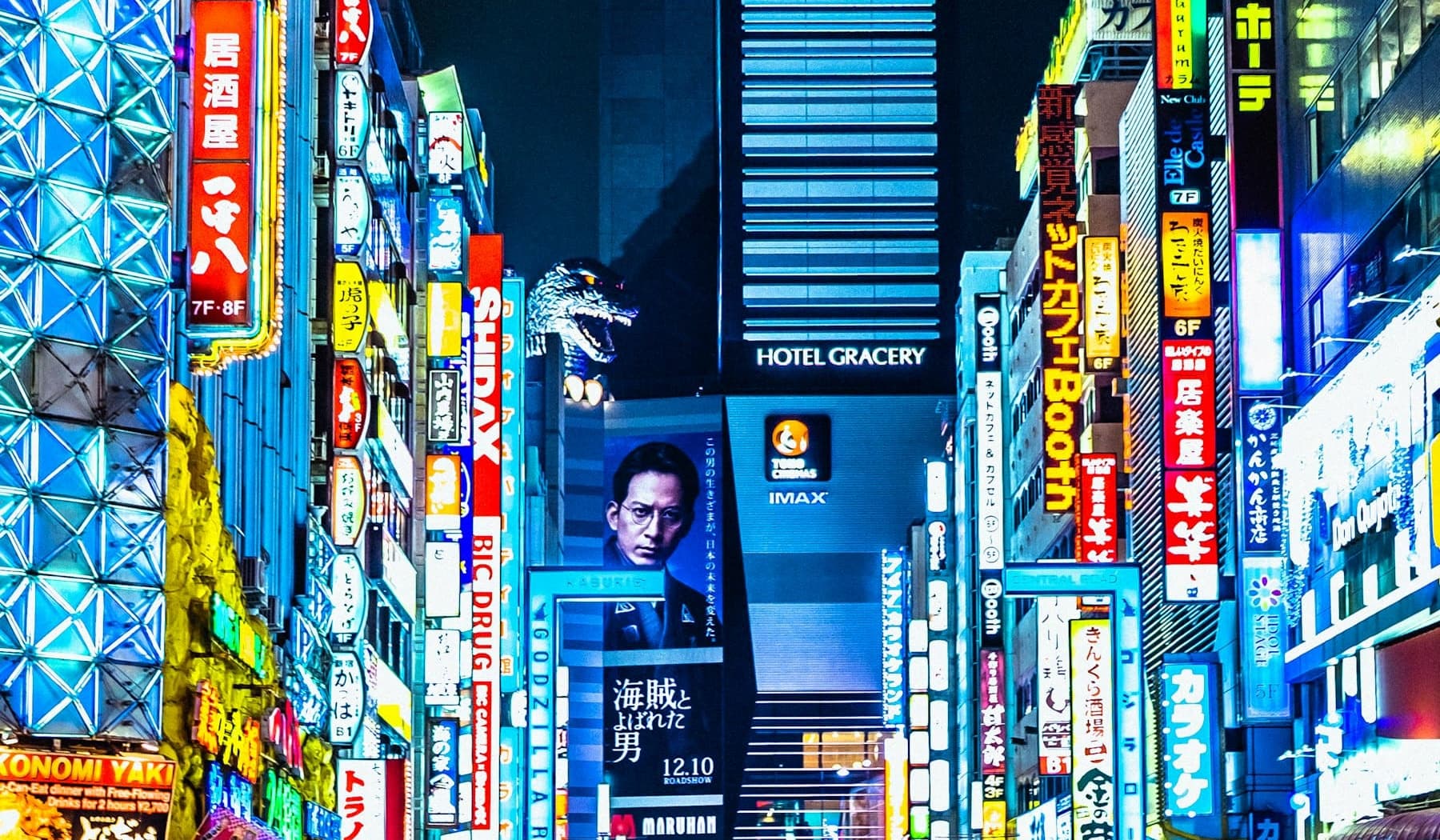 Things to do in ShinjukuThe busiest transport hub in the world, wrapped in department stores, izakaya alleys and the nightlife of Kabukichō. Loud, convenient, and never shut.
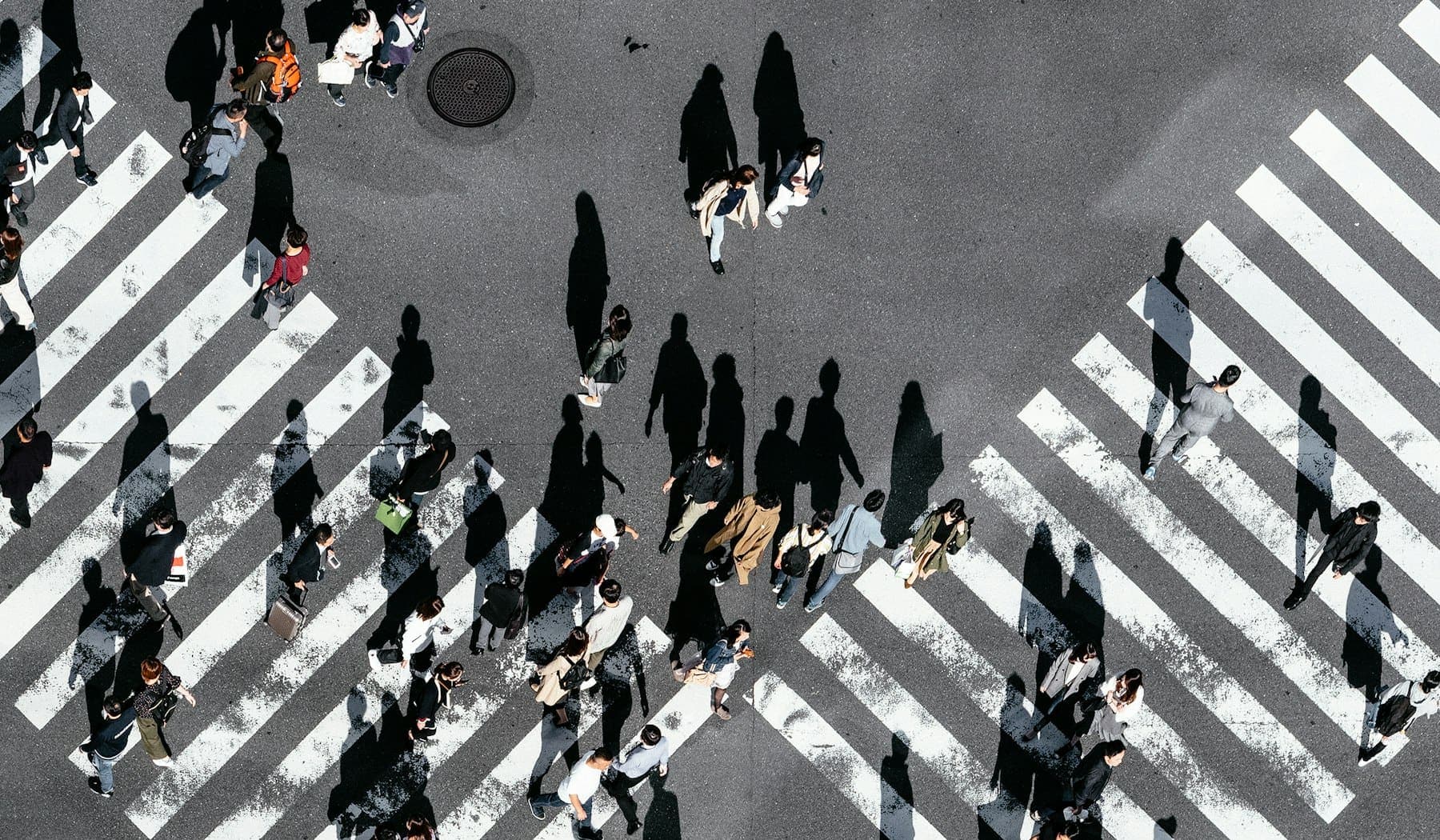 Things to do in ShibuyaYounger and more fashion-driven than Shinjuku, built around the famous crossing and spreading into the quieter backstreets of Tomigaya and Shōtō.
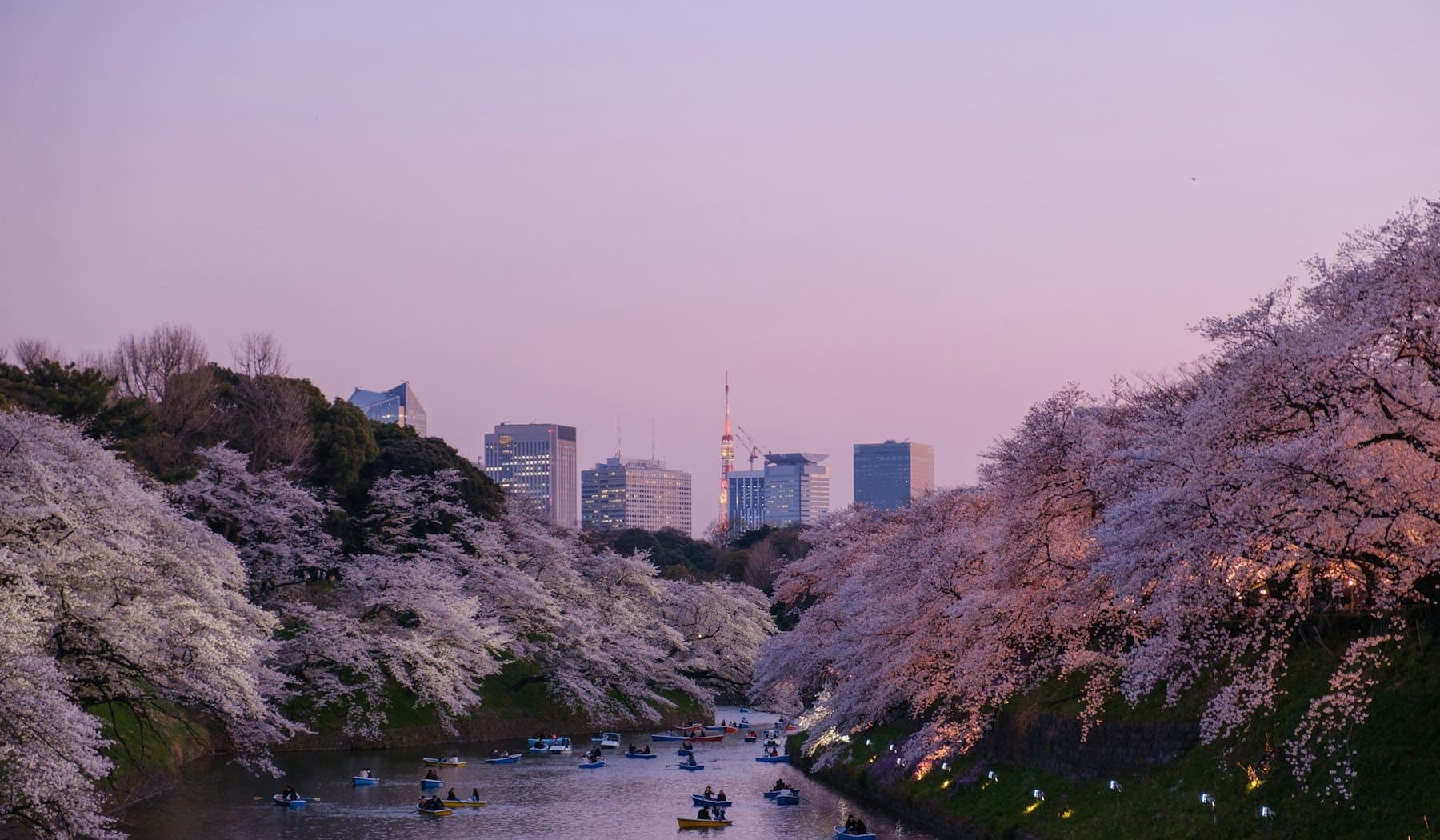 Things to do in MarunouchiThe business district beside the Imperial Palace gardens. Polished, calm in the evenings, and the best-connected point in the country for going anywhere else.
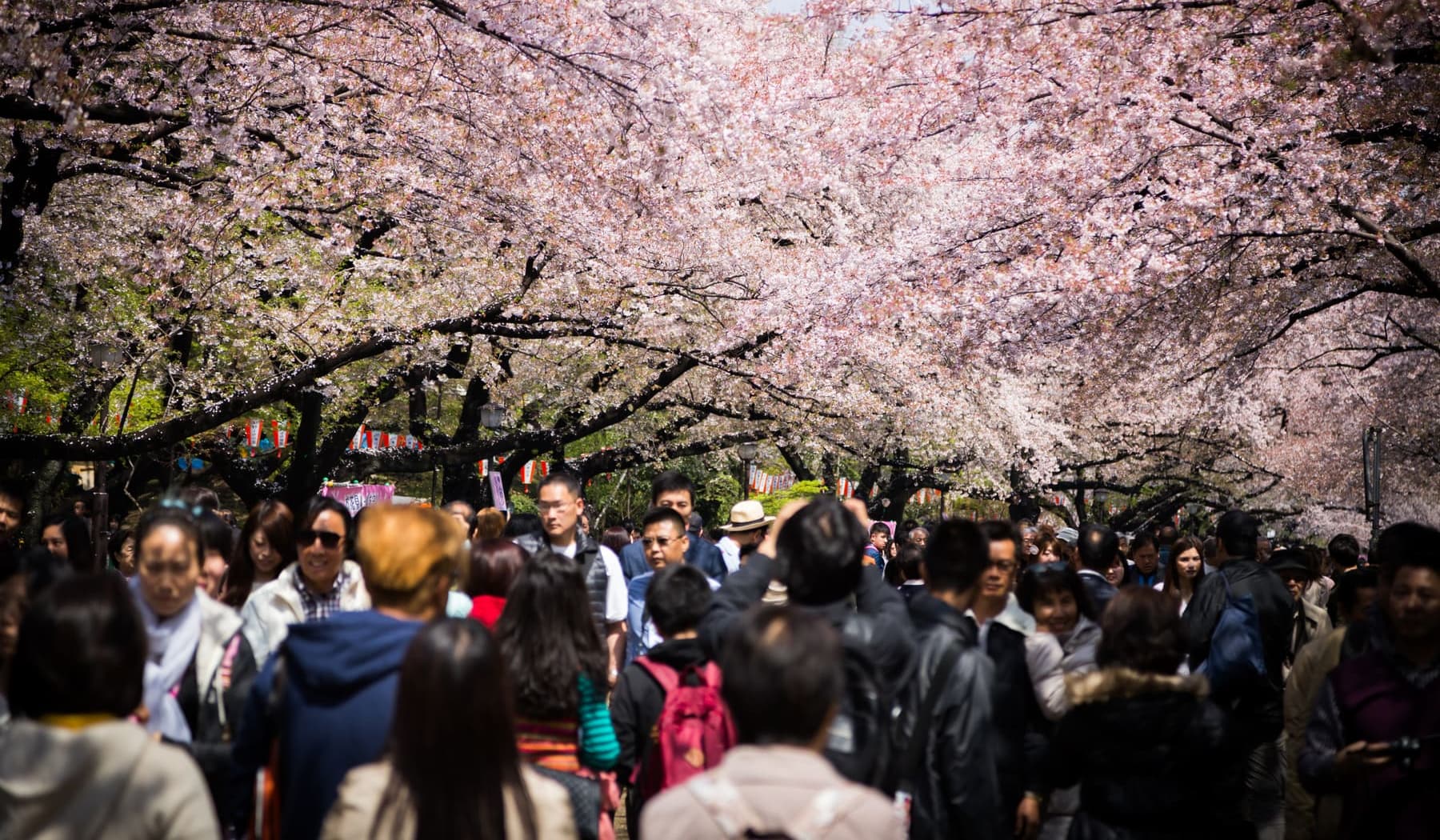 Things to do in UenoMuseums, a big park and a sprawling street market, with good-value rooms and a direct Skyliner from Narita.
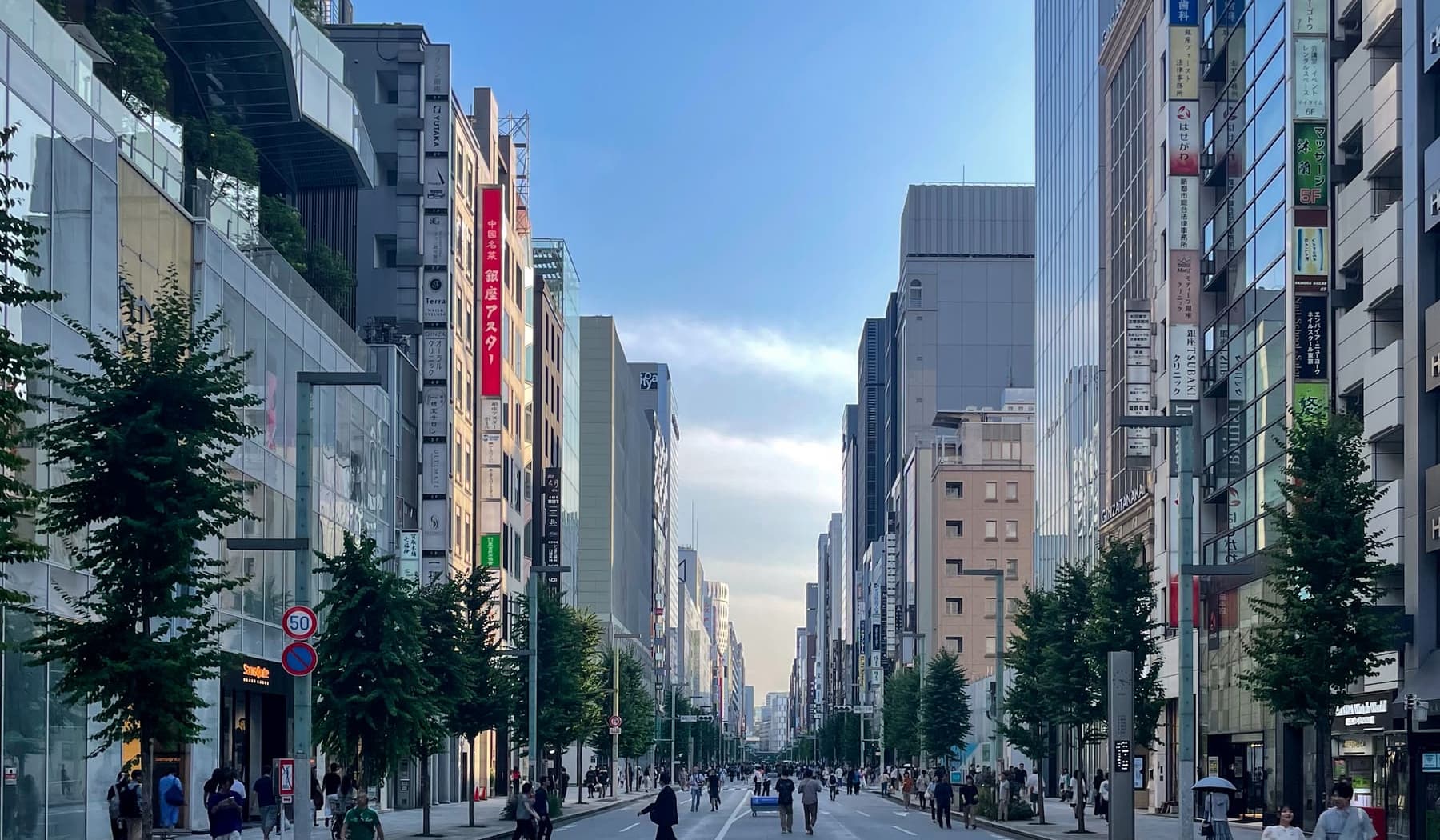 Things to do in GinzaTokyo at its most expensive and most composed. Flagship stores, serious restaurants and galleries, and largely quiet once the shops shut.