
The Best Things to Do in Ueno, Tokyo
Japan’s first public park, four big museums and a market under the tracks.
- A full day
- 2 of 7 free
- Places covered
- 7
- Free to visit
- 2
- Time to allow
- A full day
- Lines serving it
- 4
Ueno Park has more museums in it than anywhere else in Japan — four major ones inside a single 53-hectare park that opened in 1873. The Tokyo National Museum alone holds about 120,000 objects, the biggest collection of Japanese art anywhere. The park is free and most of the museums are around ¥1,000.
It works because it’s all in one place and it’s cheap. Museums and a zoo north of the station, a 400m market street south of it, and the old lanes of Yanaka 15 minutes west. It’s also the easiest district in central Tokyo with children, and the quickest to Narita.
7 places, what each costs
Durations are what these actually take. 2 of the 7 are free.
How Ueno fits together
The park sits north-west of the station on raised ground, with the museums along its northern edge and Shinobazu Pond in the south-west corner. Ameyoko runs south from the station under the railway. Yanaka is 15 minutes west of the park on foot. You won’t need a train, but the park is bigger than it looks and crossing it takes a quarter of an hour.
Getting here
- Ueno — JR Yamanote, Keihin-Tōhoku and Shinkansen lines
- Ueno — Tokyo Metro Ginza and Hibiya lines
- Keisei-Ueno — Skyliner to Narita in about 45 minutes
- Nezu and Sendagi — Chiyoda line, for Yanaka
Everything worth your time
Entry prices, and the time each one actually takes.
Tokyo National Museum
Museum of Japanese art, founded 1872
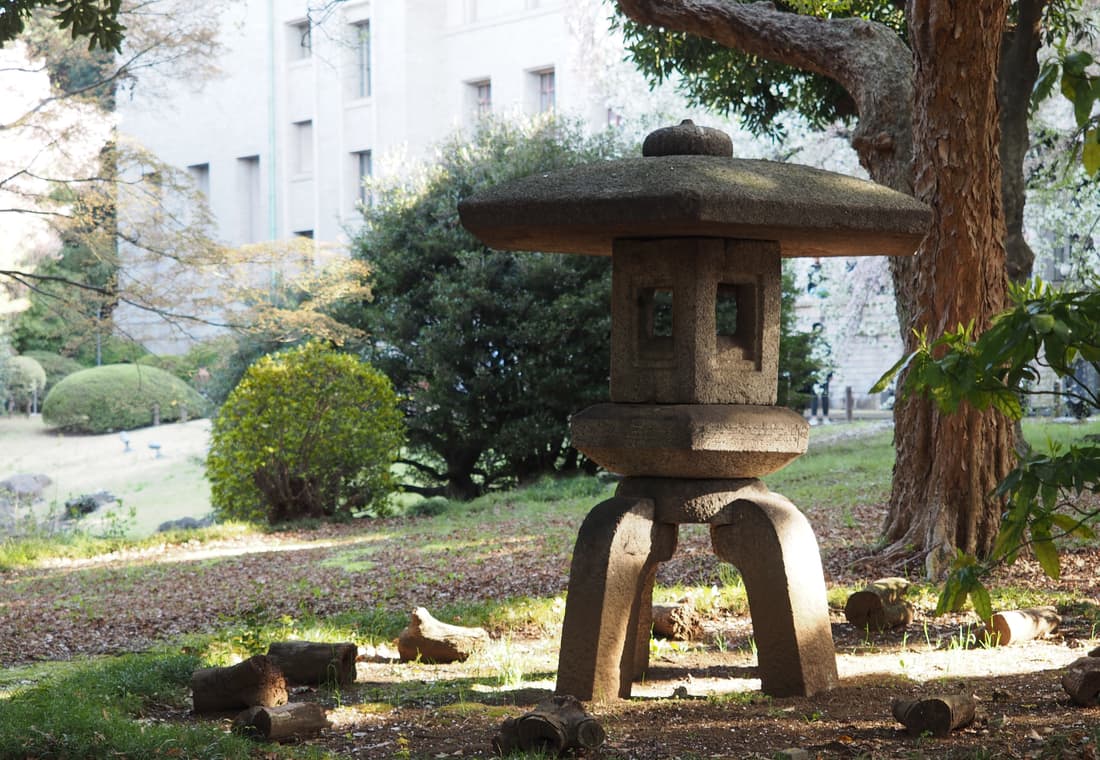
This is the oldest and largest museum in Japan, holding about 120,000 objects across several buildings — swords, ceramics, Buddhist sculpture, screens and textiles, with national treasures rotating through the displays. The Honkan building alone takes 2 hours at a steady pace. The Gallery of Hōryū-ji Treasures next door is quieter and holds some of the finest small bronzes in the country.
Our take
About ¥1,000, and the single best reason to come to Ueno. Don’t try to see all of it. Pick the Honkan and one other building, and leave the rest for another day.
KestrelCC BY-SA 4.0
- Cost
- About ¥1,000
- Allow
- 2 to 3 hours
Ueno Park
Public park, 53 hectares, opened 1873
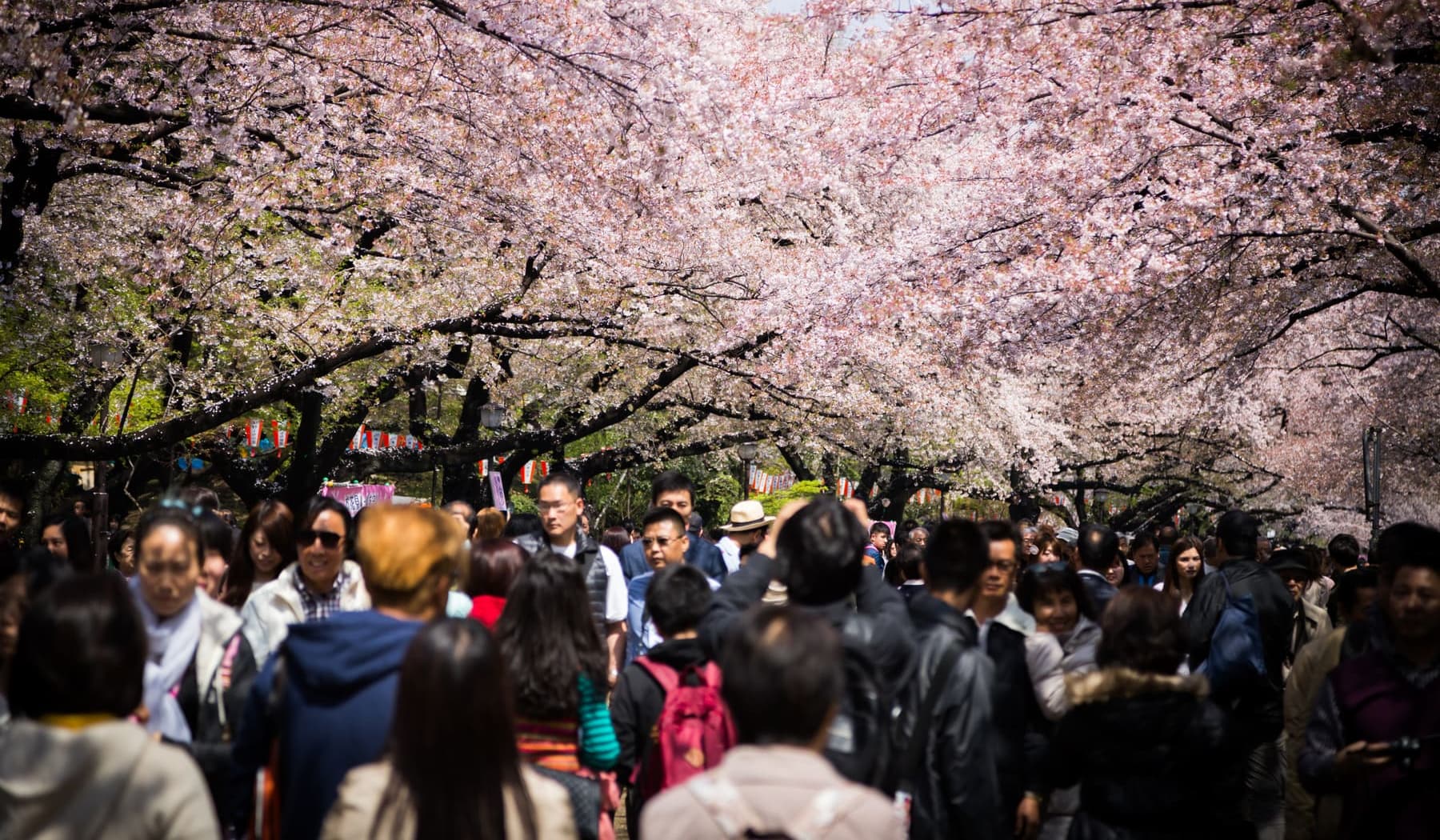
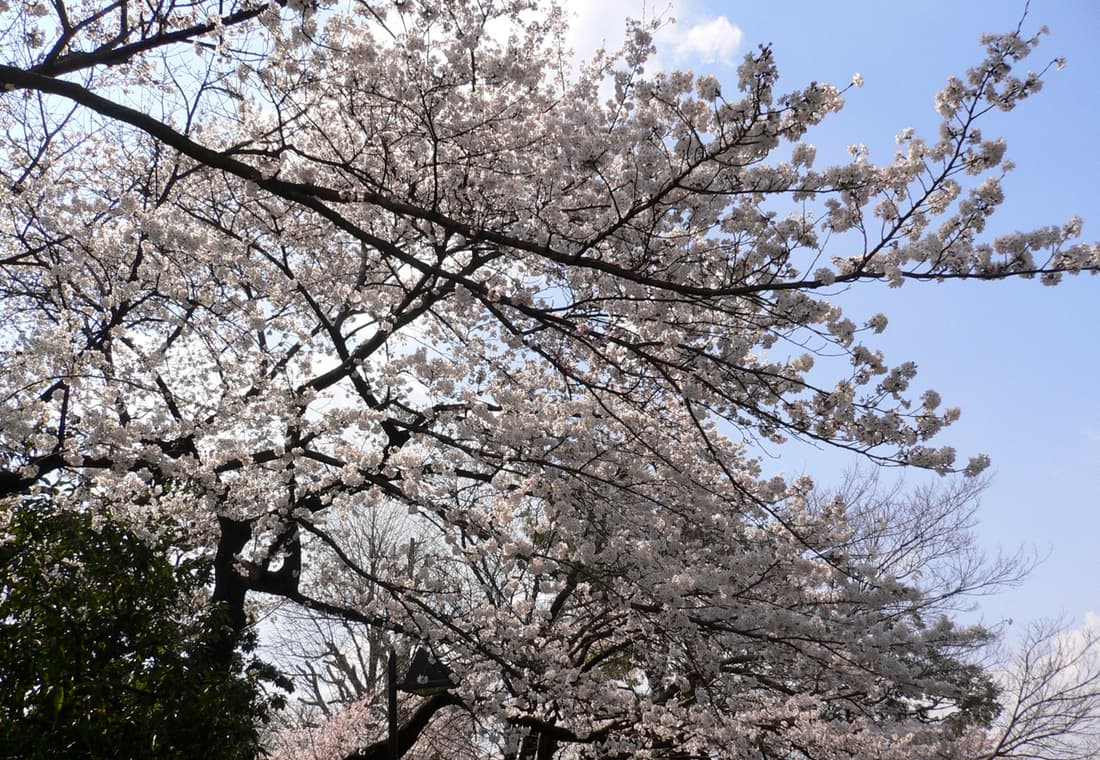
One of Japan’s first public parks, laid out on the grounds of a temple complex destroyed in the Boshin War. It now holds more cultural institutions than anywhere else in the country, along with about 1,000 cherry trees down the central avenue, several shrines and temples that survived, and a lot of open ground.
Our take
Worth seeing for the scale of it. At cherry blossom this is the most crowded hanami site in Tokyo, with tarpaulins down from dawn. If you want blossom in peace, Shinjuku Gyōen charges ¥500 and enforces it.
Volfgang (talk)CC BY-SA 3.0
- Cost
- Free
- Allow
- 1 hour to walk
Ameyoko
Market street, about 400 metres
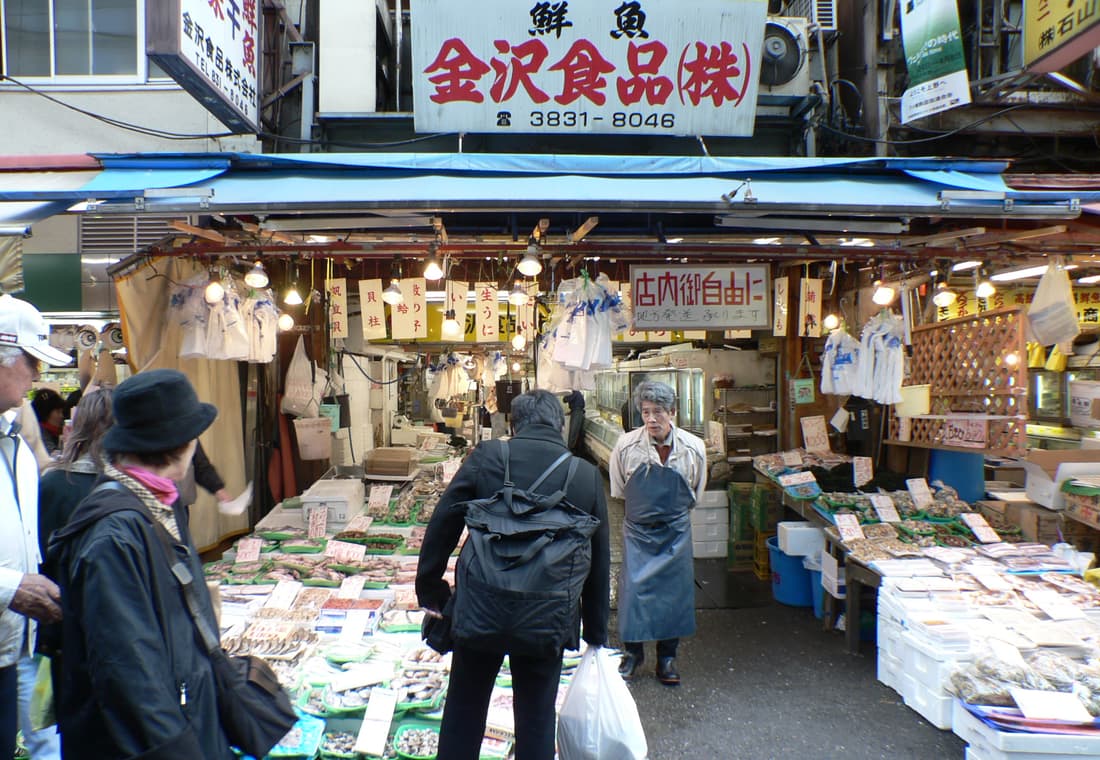
A 400m run of stalls packs the space along and under the railway viaduct south of the station. About 400 shops sell dried fish, spices, trainers, cosmetics and street food. It started life as a black market after the war and still has the volume and the haggling to match, which you won’t find in many other places in Japan.
Our take
Loud and cheap, and the one street in central Tokyo where a stallholder might actually haggle with you. Best in the late afternoon when the food stalls get going. Bring cash.
cloneofsnake from Fishmonger Kanazawa Shokuhin in Ameya-yokoCC BY-SA 2.0
- Cost
- Free to walk
- Allow
- 1 hour
Time to allow
A full day
What a first visit gets wrong
- Pick two museums, not four. Ueno holds more than anyone takes in over a day, and each of the big two runs to 2–3 hours.
- Most museums here shut on Mondays, or on Tuesday when Monday is a public holiday. It’s the most common wasted trip in the district.
- The Keisei Skyliner gets you to Narita in about 45 minutes from Keisei-Ueno, which is why Ueno suits an early flight better than almost anywhere else central.
- Ameyoko is cash only and loud. It’s the one place in Tokyo where a stallholder might genuinely negotiate with you.
- Pair Ueno with Yanaka rather than another district. They’re 15 minutes apart on foot.
Ueno Zoo
Zoo, opened 1882
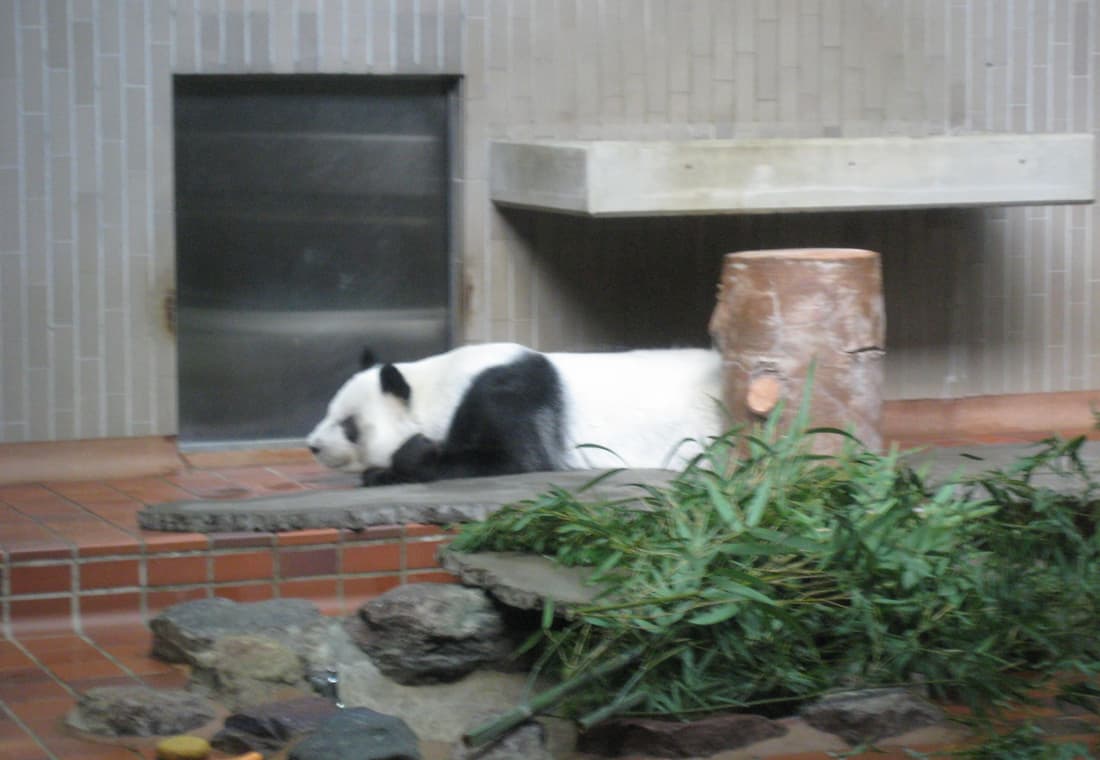
Japan’s oldest zoo sits in the middle of the park, and it’s why a lot of visiting families come to Ueno at all. Giant pandas are the headline and the queue shows it. Entry is about ¥600, which is very cheap for what you get.
Our take
Good value with children, skip it without them. The panda queue is longest in the first 2 hours after opening, so go in the afternoon.
Claire Houck from New York City, USACC BY-SA 2.0
- Cost
- About ¥600
- Allow
- 2 to 3 hours
Shinobazu Pond
Natural pond in the south-west of the park
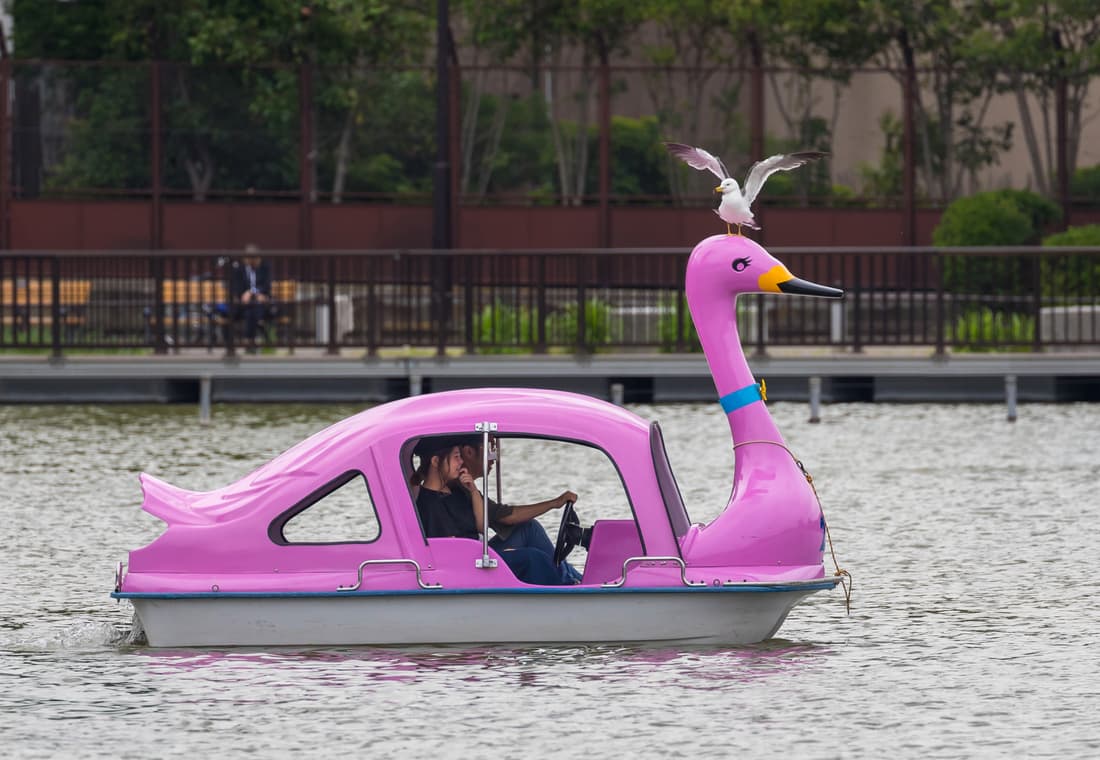
The pond splits into three parts. One disappears under lotus by August, one is for rowing boats, and one sits inside the zoo. The Bentendō temple stands on an island in the middle, reached by a causeway, with food stalls along the shore.
Basile MorinCC BY-SA 4.0
- Cost
- Free, boats from about ¥700
- Allow
- 45 minutes
National Museum of Nature and Science
Natural history and science museum
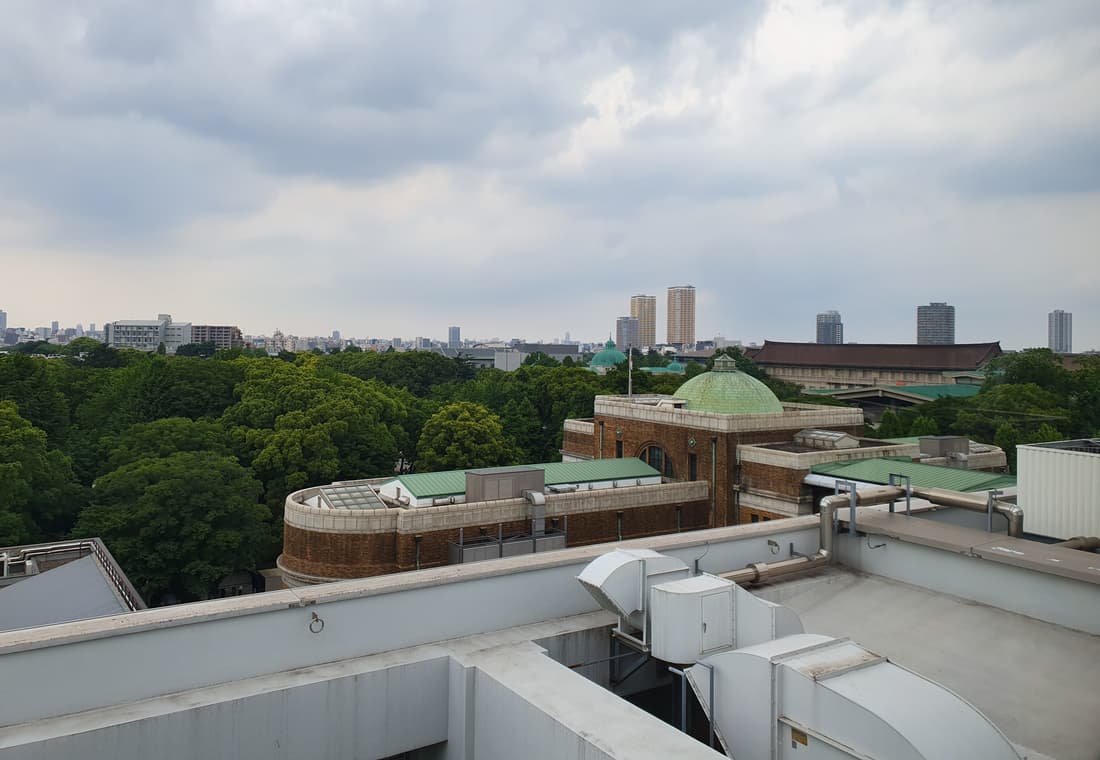
This is the best museum in Tokyo for children. There’s a full blue whale outside the entrance, a globe theatre, and a Japan gallery that covers the archipelago’s geology and wildlife properly. English signage is good in the Global Gallery and thinner in the Japan Gallery.
Our take
About ¥630, and a straightforwardly good 3 hours with children. If you’re travelling without them you’ll get more out of the National Museum next door.
SycedCC0
- Cost
- About ¥630
- Allow
- 2 to 3 hours
Yanaka
Surviving shitamachi neighbourhood
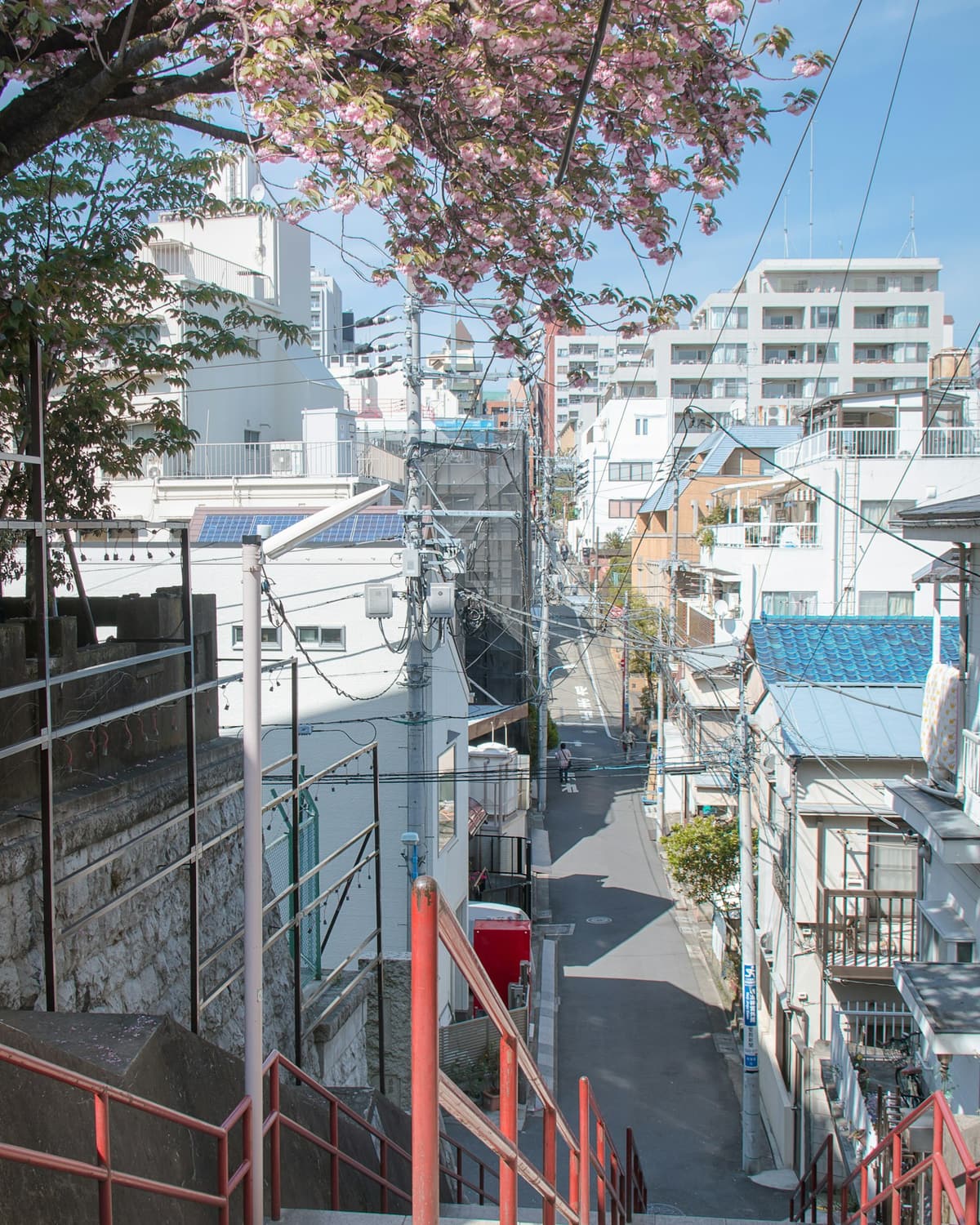
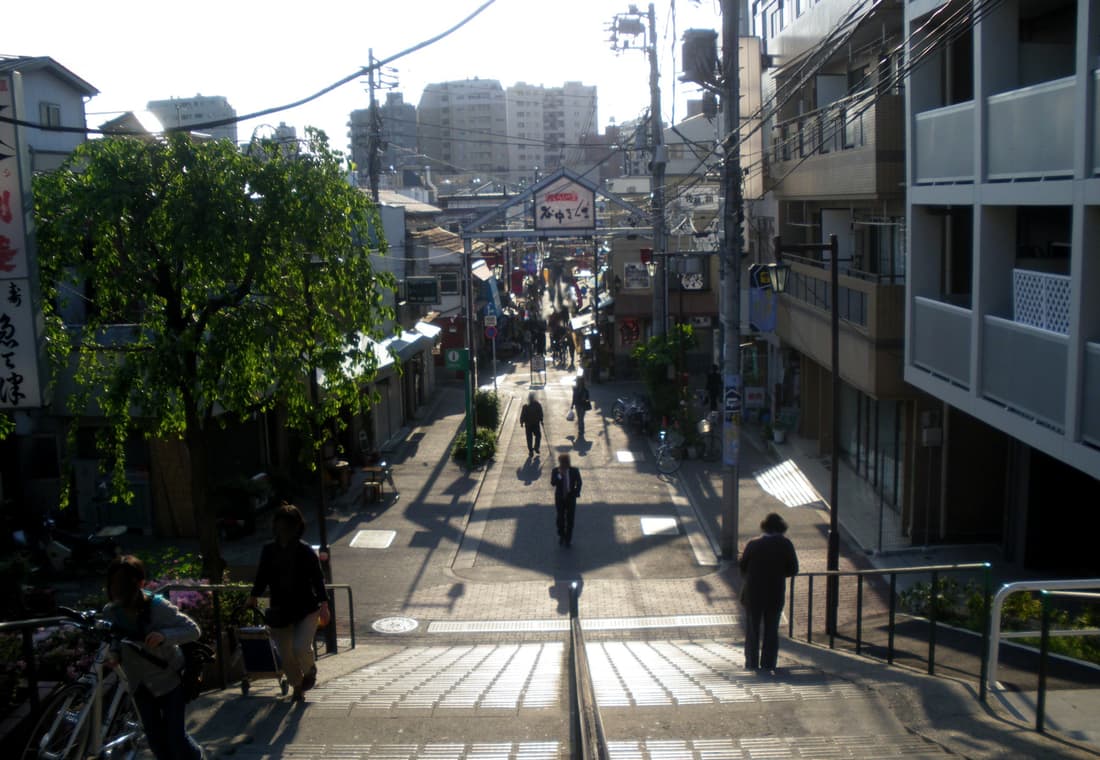
Fifteen minutes west of the park, Yanaka escaped both the 1923 earthquake and the wartime bombing, so the streets are pre-war and low. Yanaka Ginza is a short shopping street of about 70 small shops that you reach down a flight of steps, and the lanes around it are full of temples, wooden houses and a large old cemetery.
Our take
Free, and the best walk near Ueno. Go late in the afternoon: the steps down into Yanaka Ginza are called Yūyake Dandan, the sunset staircase, and they face west.
User:KentinCC BY-SA 3.0
- Cost
- Free
- Allow
- 2 hours
Sleeping in Ueno
Museums, a big park and a sprawling street market, with good-value rooms and a direct Skyliner from Narita. Stay here if you’re arriving at Narita, travelling with family, or watching what you spend.
Asked about Ueno
What is there to do in Ueno besides the park?
Ameyoko, a 400m market street under the railway south of the station. And Yanaka, a pre-war neighbourhood 15 minutes west that came through both the earthquake and the war. Inside the park the draw is the museums — four big ones, including the Tokyo National Museum, which holds the largest collection of Japanese art in the world — along with Japan’s oldest zoo and Shinobazu Pond.
How much time do you need in Ueno?
A full day if you’re visiting two museums, which is the right number. Half a day does the park, Shinobazu Pond and Ameyoko without going inside anything. Adding Yanaka takes another 2 hours, and it’s the addition most worth making.
Is the Tokyo National Museum worth visiting?
Yes, and it’s the best reason to come to Ueno. It’s the oldest museum in Japan, holds about 120,000 objects, and costs about ¥1,000. Two to three hours in the main Honkan building takes you through the highlights of Japanese art in order. Trying to see every building in one visit is the usual mistake.
Is Ueno good for families?
It’s the easiest district in central Tokyo with children. The zoo is about ¥600 and has pandas. The National Museum of Nature and Science has a whale and a globe theatre. The park has boats and open ground to run around in, and rooms cost less than the west of the city. Narita is 45 minutes away on the Skyliner too, which matters with luggage and children in tow.
Is Ueno Park good for cherry blossom?
It’s one of the most famous hanami spots in Japan, with about 1,000 trees along the central avenue, and it’s crowded to match — groups lay tarpaulins out from early morning to hold ground. Worth seeing for the atmosphere. If you want blossom in peace, Shinjuku Gyōen charges ¥500, holds about as many trees, and enforces it.
Other districts in Tokyo
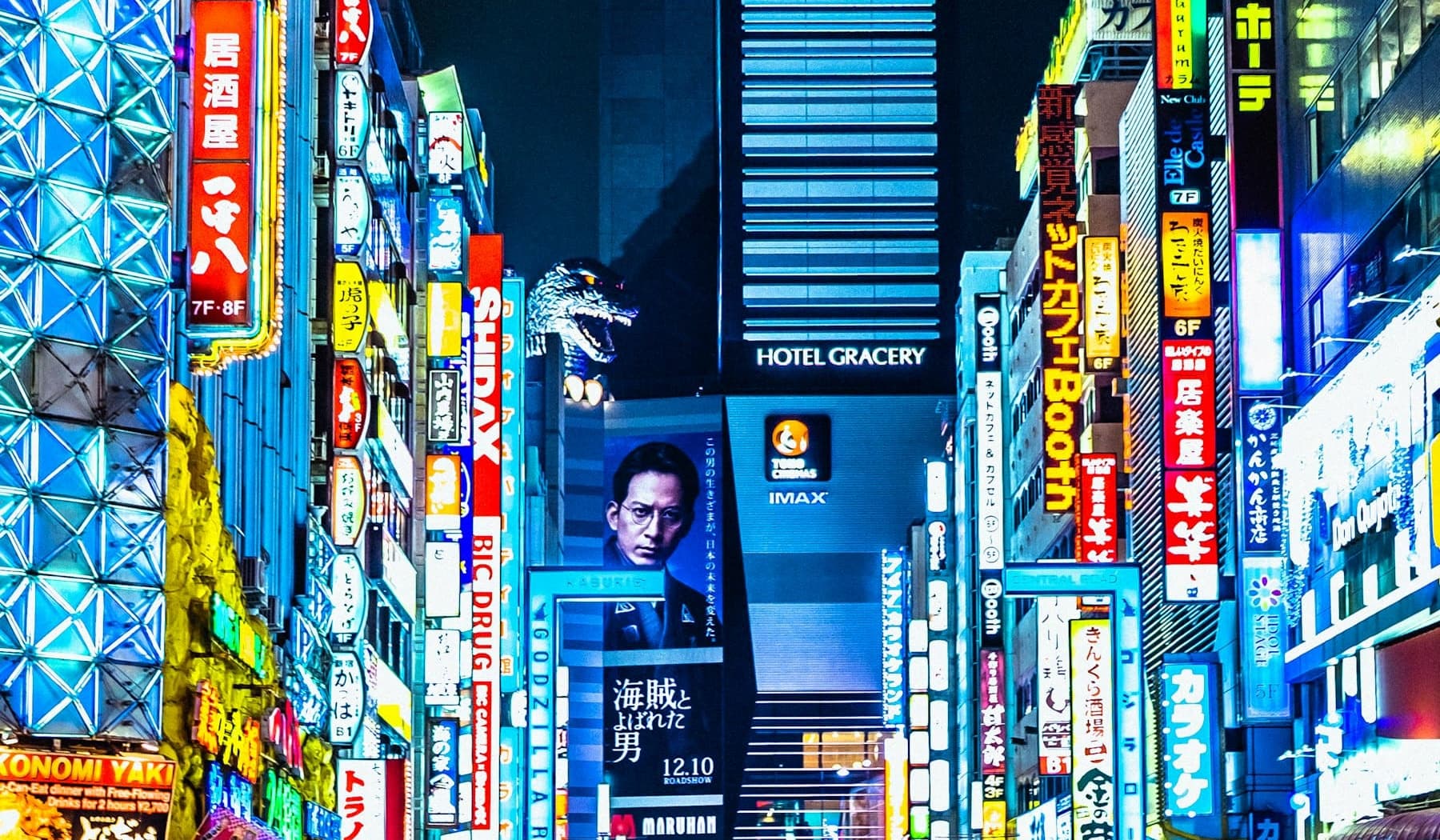 Things to do in ShinjukuThe busiest transport hub in the world, wrapped in department stores, izakaya alleys and the nightlife of Kabukichō. Loud, convenient, and never shut.
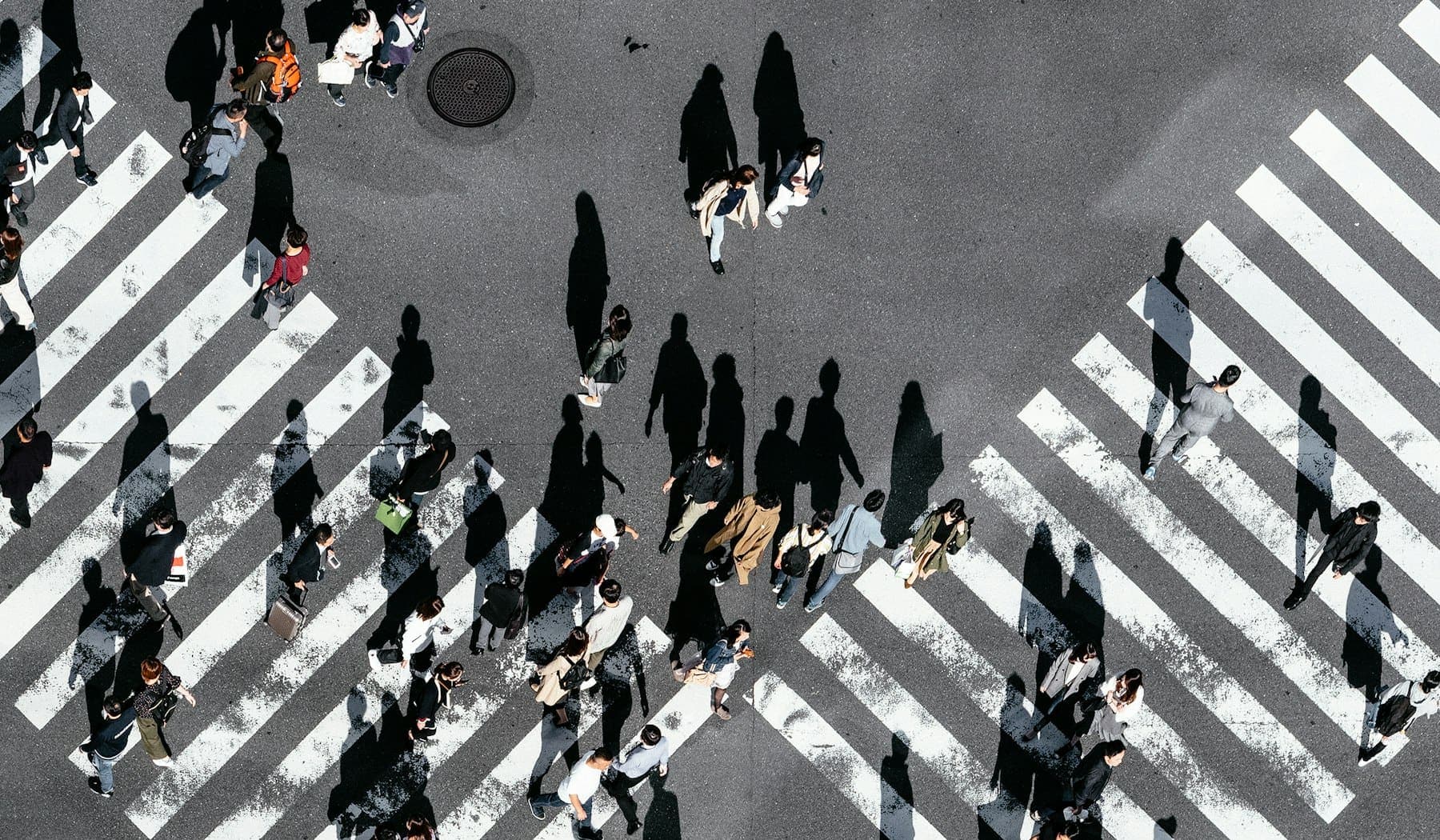 Things to do in ShibuyaYounger and more fashion-driven than Shinjuku, built around the famous crossing and spreading into the quieter backstreets of Tomigaya and Shōtō.
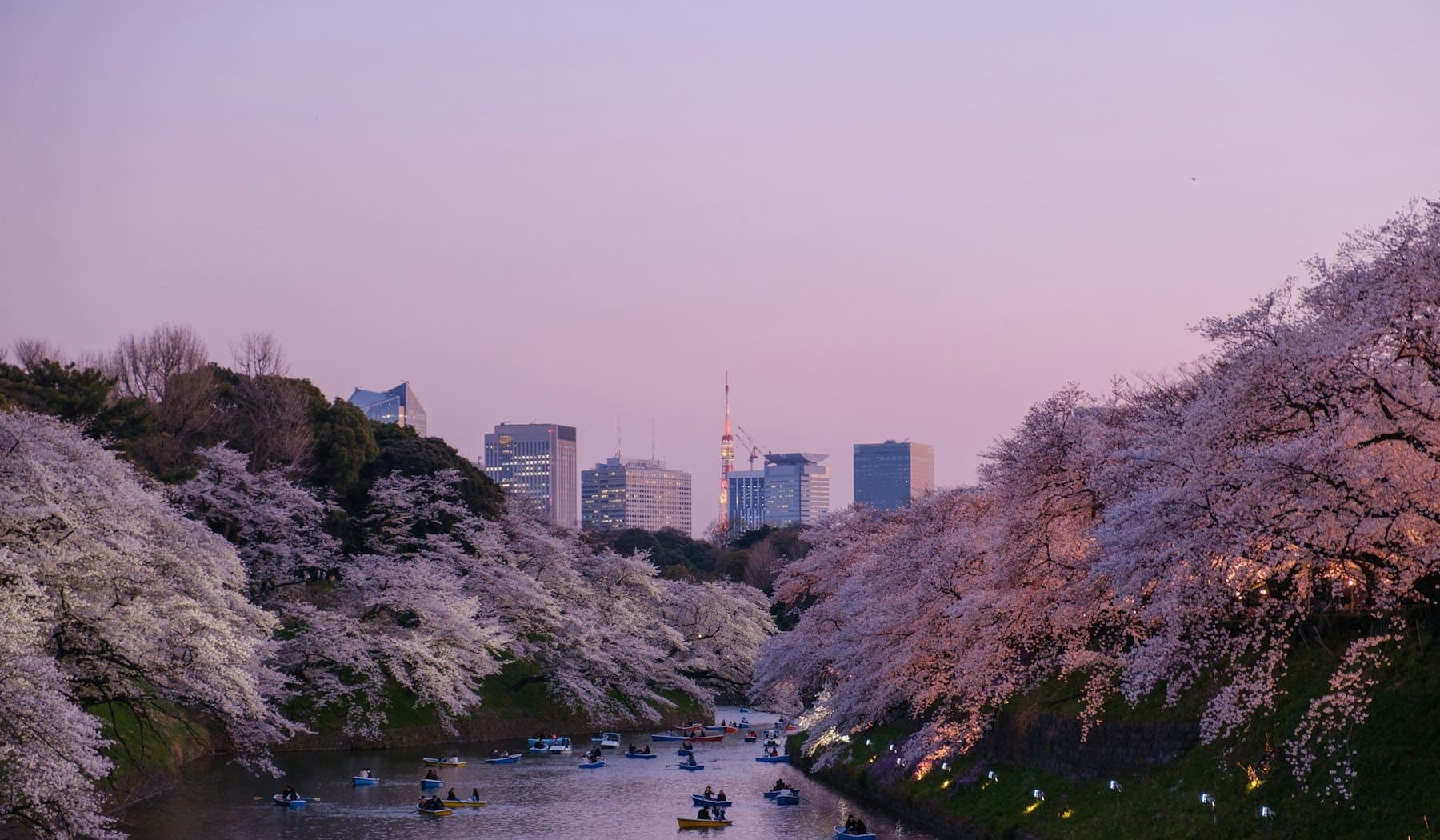 Things to do in MarunouchiThe business district beside the Imperial Palace gardens. Polished, calm in the evenings, and the best-connected point in the country for going anywhere else.
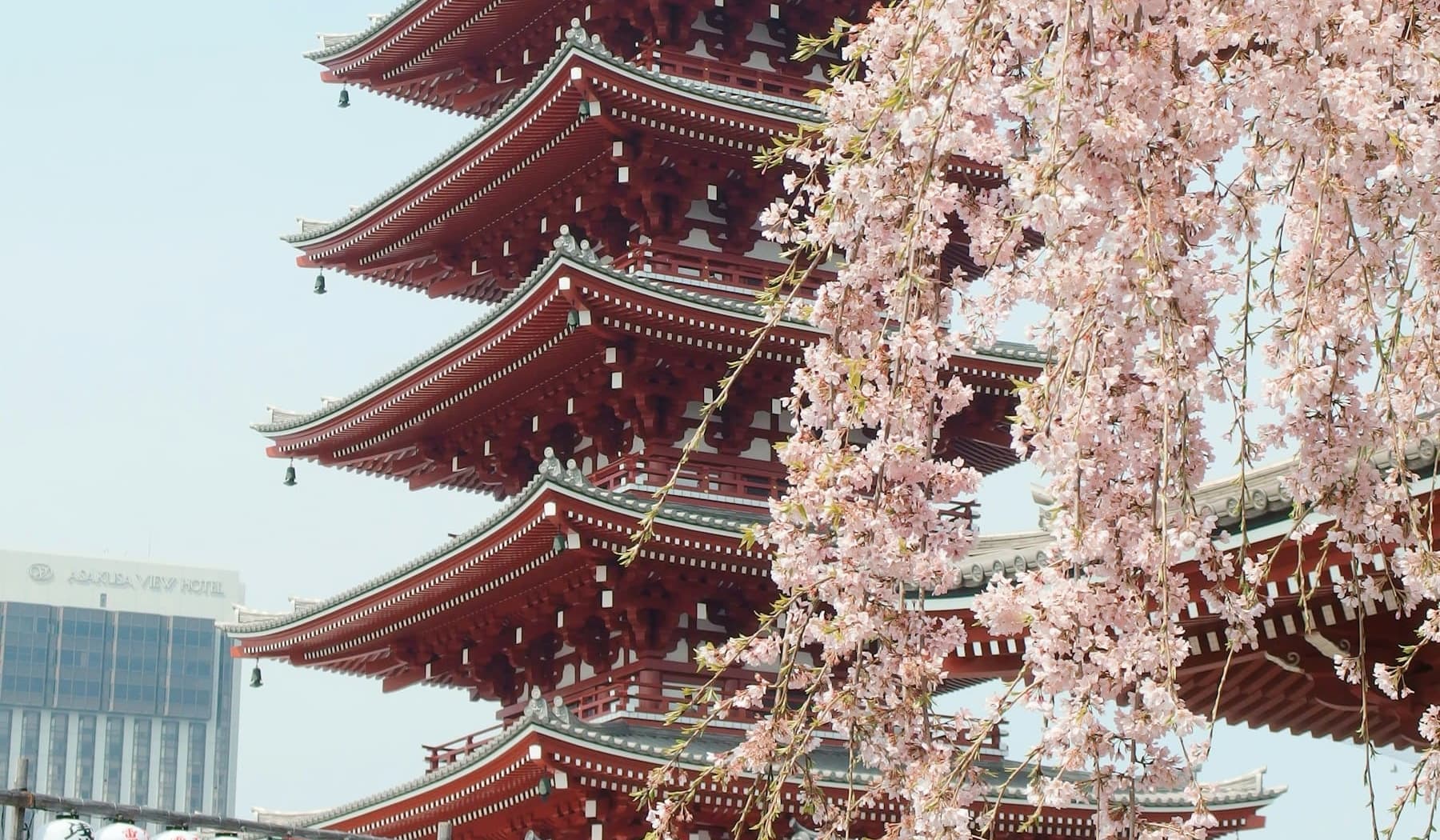 Things to do in AsakusaOld Tokyo around Sensō-ji temple, with low buildings, craft shops and a river. The cheapest of the areas worth staying in, and the best of them early in the morning.
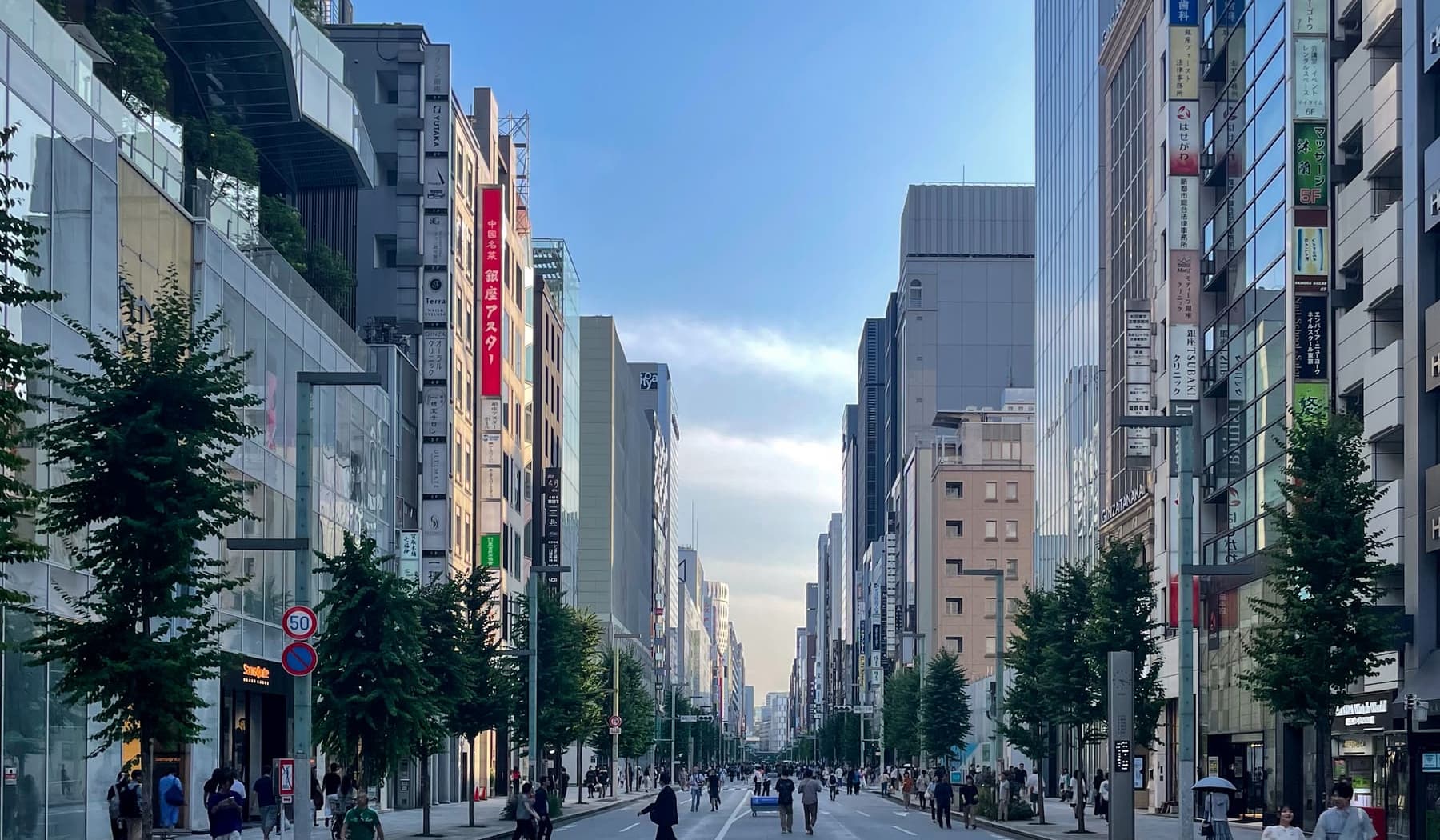 Things to do in GinzaTokyo at its most expensive and most composed. Flagship stores, serious restaurants and galleries, and largely quiet once the shops shut.