
The Best Things to Do in Ginza, Tokyo
Japan’s most expensive shopping, and a full day here for under ¥2,000.
- Half a day
- 3 of 7 free
- Places covered
- 7
- Free to visit
- 3
- Time to allow
- Half a day
- Lines serving it
- 4
Ginza is the priciest retail district in Japan and one of the easiest places to spend a good day without buying anything. A single act at the Kabuki-za is about ¥1,000. The main avenue shuts to traffic on weekend afternoons for nothing. The Edo-period garden at the bottom of the district is ¥300. Add it up and everything worth doing here comes to under ¥2,000.
It’s small and flat — a grid of about 12 blocks you can walk end to end in 15 minutes. Tsukiji’s outer market is a short walk east, with Hamarikyu beyond it. Once the shops shut the place empties, which makes it quieter after 8pm than almost anywhere else this central.
7 places, what each costs
Durations are what these actually take. 3 of the 7 are free.
- 01Kabuki-za1 to 1.5 hours for one actSingle act from about ¥1,000
- 02Chūō-dōri on a weekend afternoon1 hourFree
- 03Tsukiji Outer Market1.5 to 2 hours¥2,000–4,000 to eat well
- 04Hamarikyu Gardens1 to 1.5 hours¥300
- 05Itoya1 hourFree to browse
- 06Ginza Six30 minutesFree
- 07The Wako building and the 4-chōme crossing15 minutesFree
How Ginza fits together
Chūō-dōri runs the length of the district north to south, and everything sits within two or three blocks of it. The 4-chōme crossing with the Wako clock tower is the middle. The Kabuki-za is 5 minutes east, Tsukiji outer market about 15 minutes further the same way, and Hamarikyu Gardens 20 minutes south-east. Tokyo Station is a 10-minute walk north.
Getting here
- Ginza — Tokyo Metro Ginza, Marunouchi and Hibiya lines, at the central crossing
- Higashi-Ginza — Toei Asakusa and Hibiya lines, directly under the Kabuki-za
- Yūrakuchō — JR Yamanote line, 5 minutes’ walk west
- Tsukiji-shijō and Tsukiji — for the outer market, 10–15 minutes east
Everything worth your time
Entry prices, and the time each one actually takes.
Kabuki-za
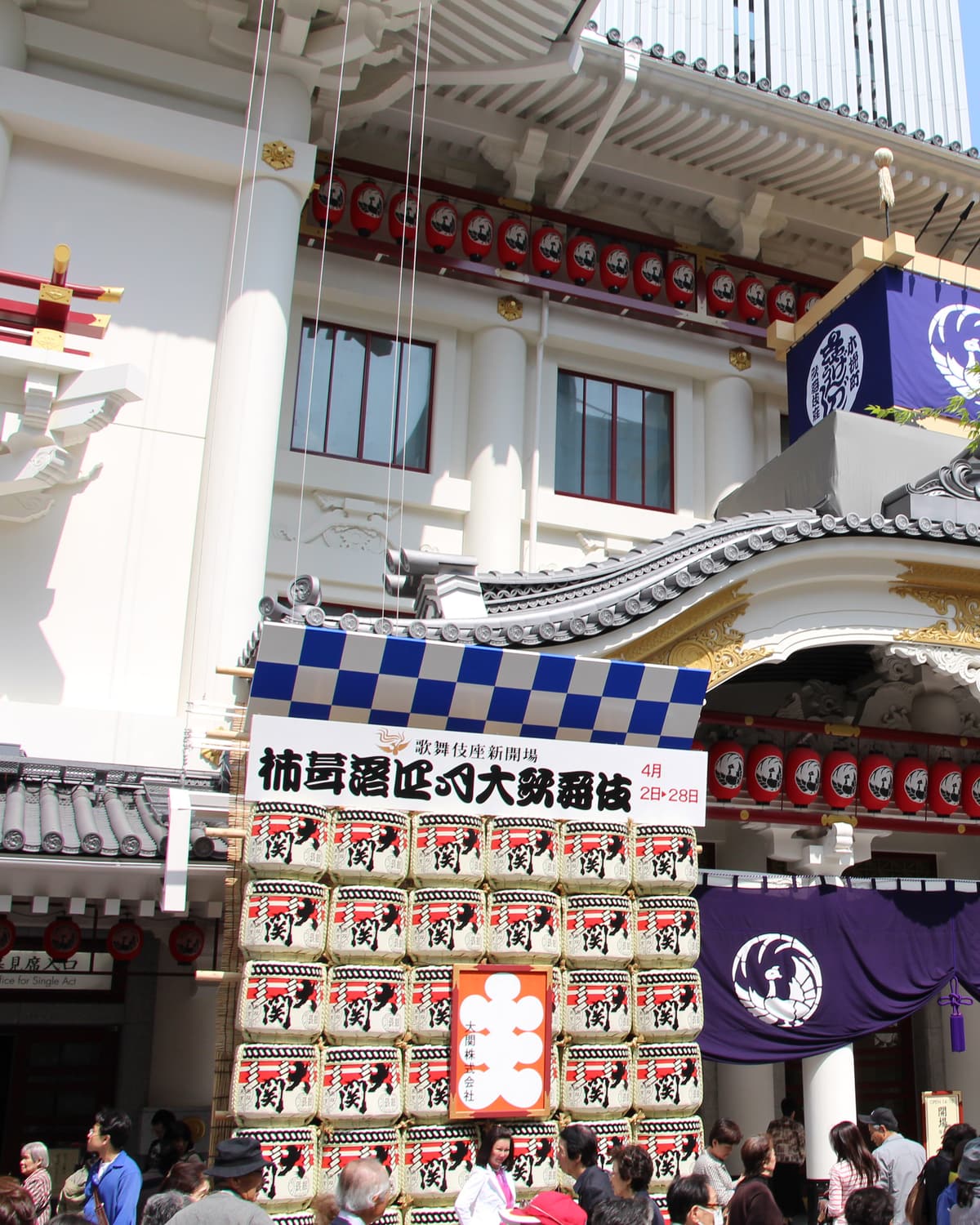
Kabuki theatre, rebuilt 2013 on a 1889 foundation
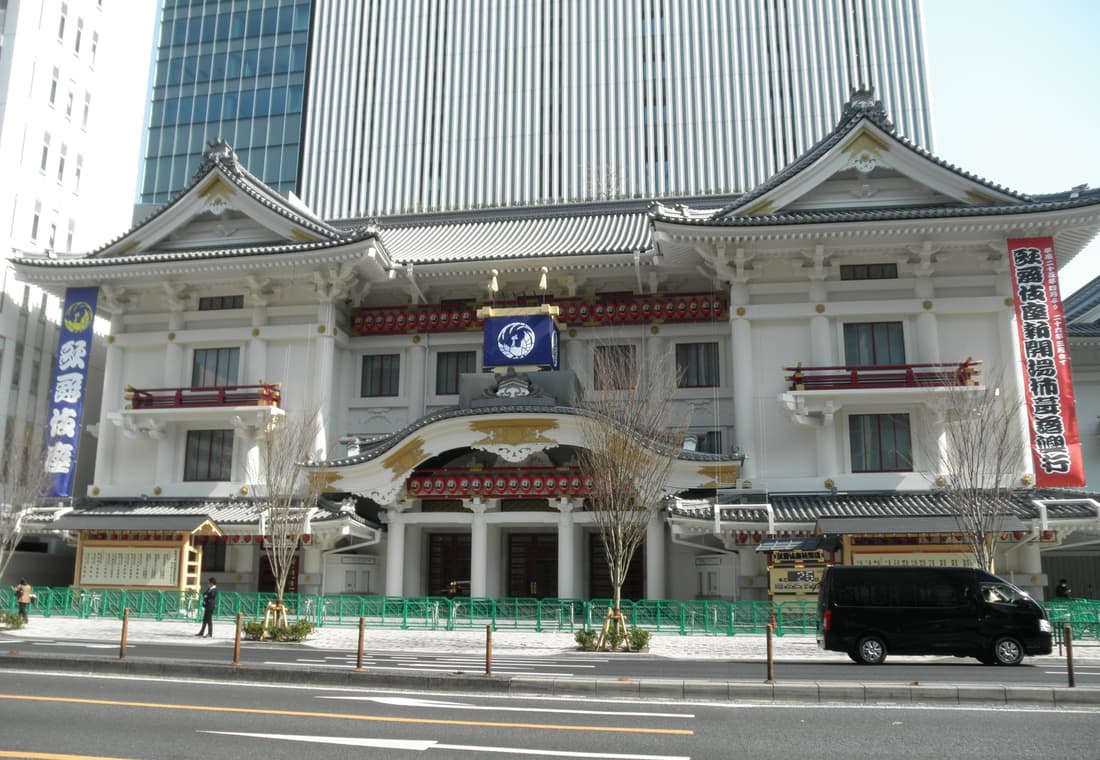
This is the main kabuki theatre in Japan, running most days in month-long programmes split into two or three parts. A full ticket costs thousands of yen and the programme runs 4 hours or more, which is a lot to commit to in a language you probably don’t speak. There’s another way in: hitomakumi, a single-act ticket sold on the day only, from a separate window at the side of the building, for about ¥1,000–2,000.
Our take
The single-act ticket is the best value hour of culture in Tokyo. You sit in the upper tier, you can hire an English audio guide, and you see a complete act for about a tenth of the full price. Same day only, and popular acts sell out in the morning.
Chiba ryoCC BY-SA 3.0
- Cost
- Single act from about ¥1,000
- Allow
- 1 to 1.5 hours for one act
Chūō-dōri on a weekend afternoon
Pedestrianised main avenue
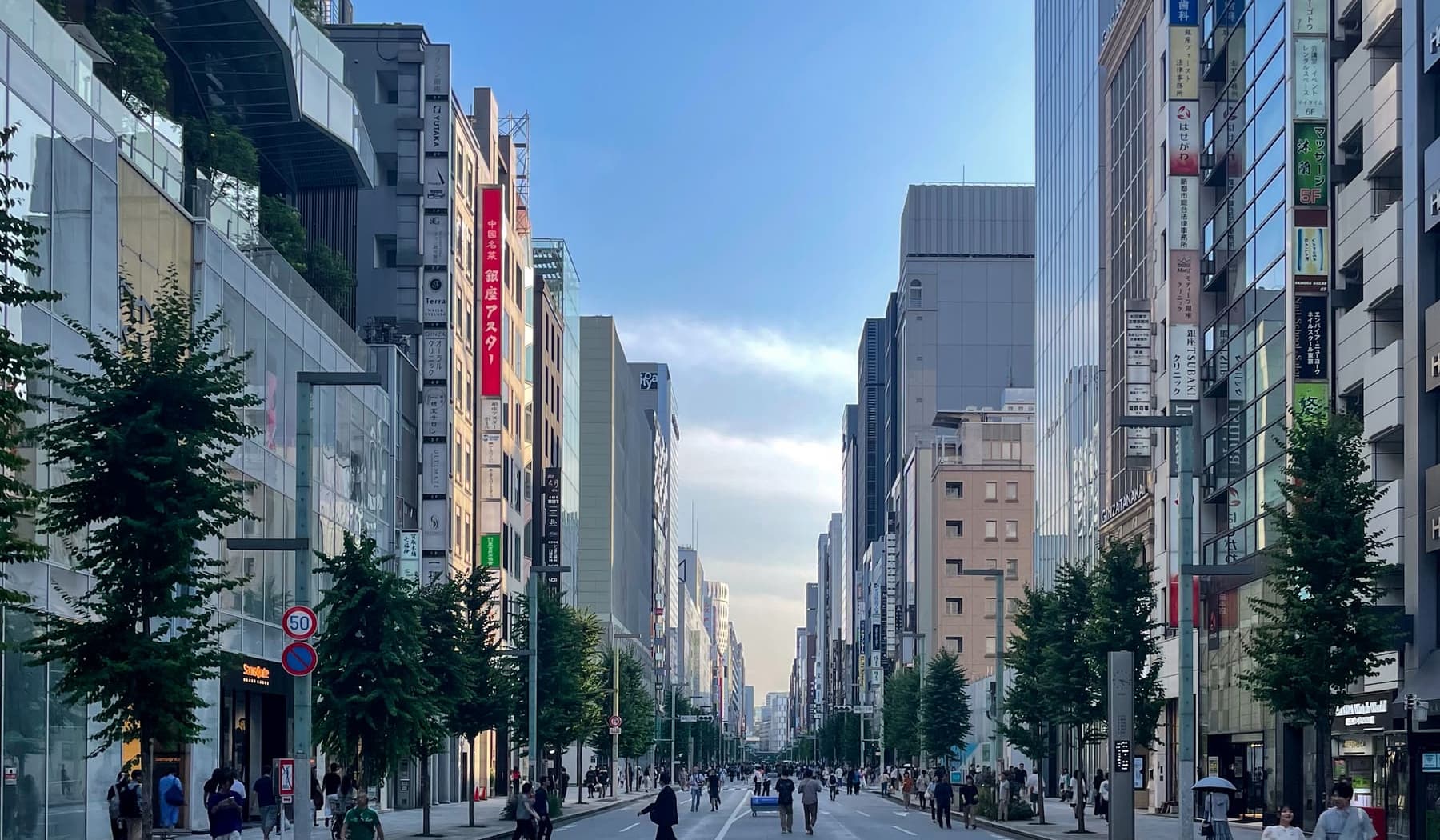
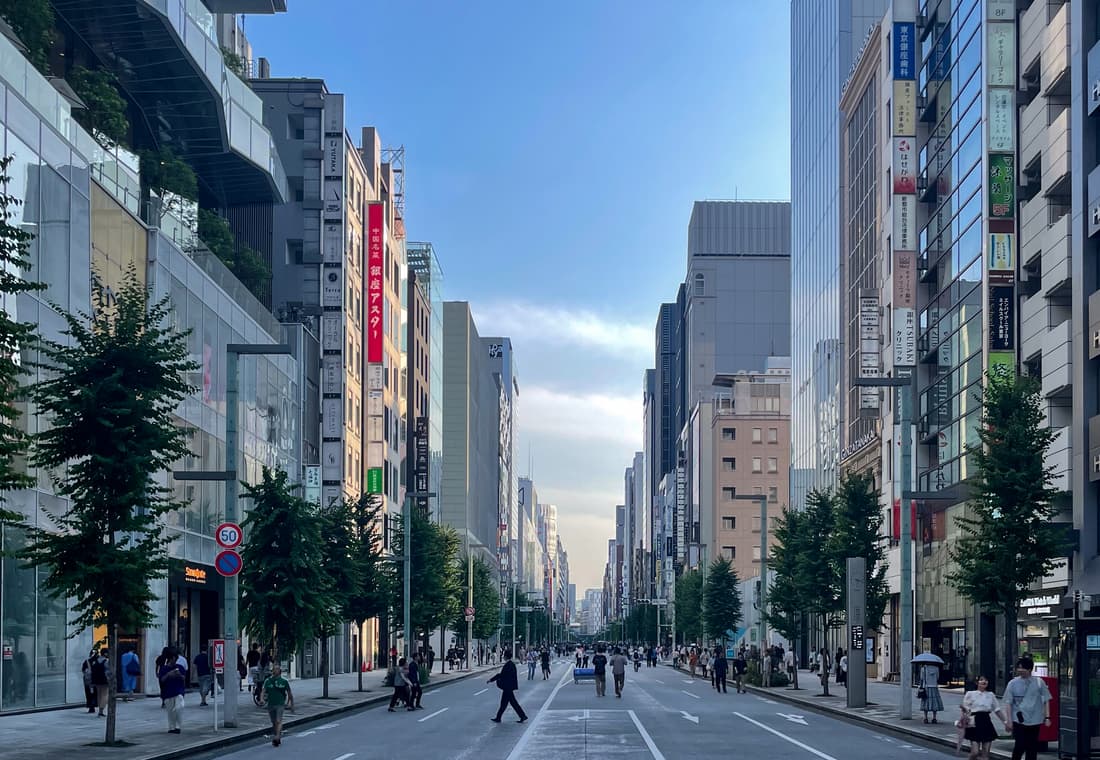
On Saturday and Sunday afternoons they close the main avenue to traffic and the shops put chairs out in the road. Six lanes turn into a promenade, roughly noon to 5pm, with shorter hours in winter.
Our take
Free, and the reason to put Ginza on a Saturday or Sunday rather than a weekday.
Photograph by Mike Peel (www.mikepeel.net).CC BY-SA 4.0
- Cost
- Free
- Allow
- 1 hour
Tsukiji Outer Market
Food market, still trading after the 2018 move
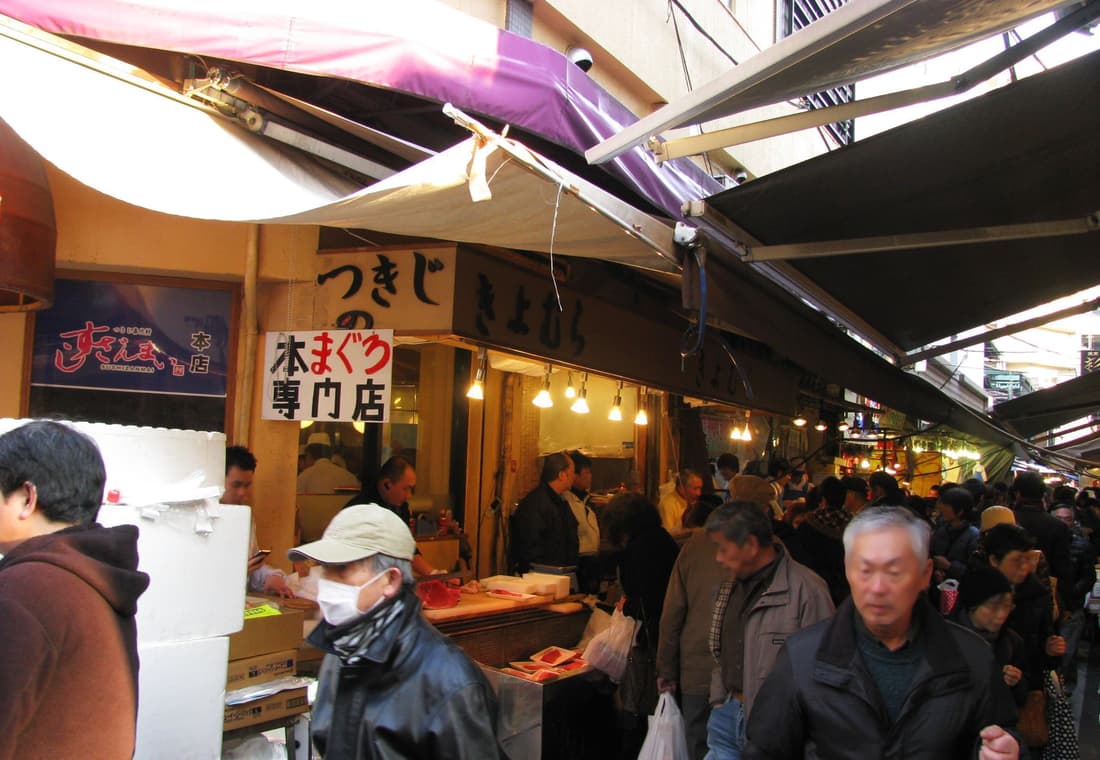
The wholesale fish market moved to Toyosu in 2018 and took the tuna auction with it. The outer market stayed put — several streets of retail stalls, knife shops and small restaurants that grew up around the old market. You can still buy uni, tamagoyaki, grilled scallops and dashi, and a proper seafood breakfast runs ¥2,000–4,000.
Our take
Go before 10am. Plenty of stalls sell out and close by early afternoon, most shut on Sundays and some on Wednesdays. By midday the lanes fill with people who came for an auction that hasn’t happened here in years.
AimaimyiCC BY-SA 3.0
- Cost
- Free to walk, ¥2,000–4,000 to eat well
- Allow
- 1.5 to 2 hours
What a first visit gets wrong
- Ginza opens late. Most shops and galleries start at 11am, later than the rest of Tokyo, so turning up at 9am wastes an hour.
- Department store basements discount whatever hasn’t sold in the last hour before closing, usually after 7pm.
- A lot of the galleries in the side streets are free and open to anyone. The ones on upper floors with a single name on the door are commercial galleries, and you’re welcome in them.
- Tsukiji outer market is a 15-minute walk from the 4-chōme crossing, or one stop on the Hibiya line to Tsukiji Station.
Hamarikyu Gardens
Edo-period garden with a tidal pond
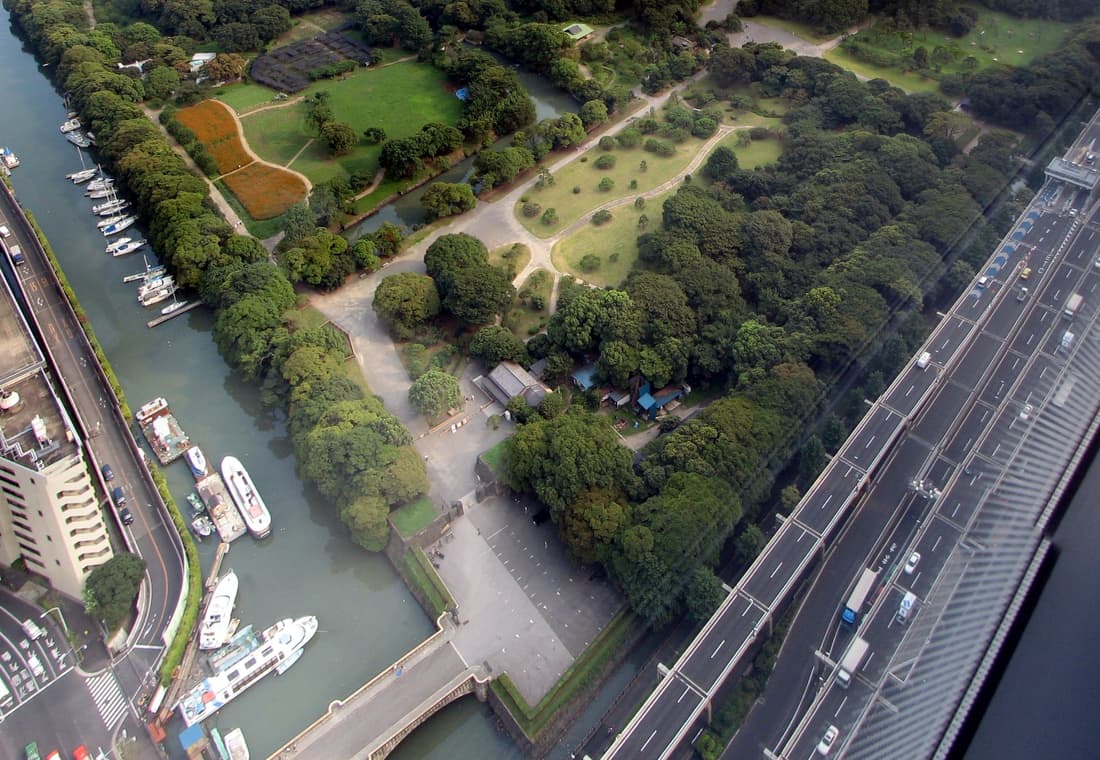
This was a shogun’s duck-hunting estate on the waterfront, and it’s now a walled garden ringed by office towers. The pond rises and falls with the tide of Tokyo Bay, and it’s the only one left in the city that does. A teahouse sits on an island in the middle, reached by a wooden bridge, serving matcha and a sweet for about ¥1,000.
Our take
¥300, and if you arrive by river boat from Asakusa the fare covers you getting in. The 300-year-old pine near the entrance is the one everybody photographs.
- Cost
- ¥300
- Allow
- 1 to 1.5 hours
Itoya
Stationery store, trading since 1904
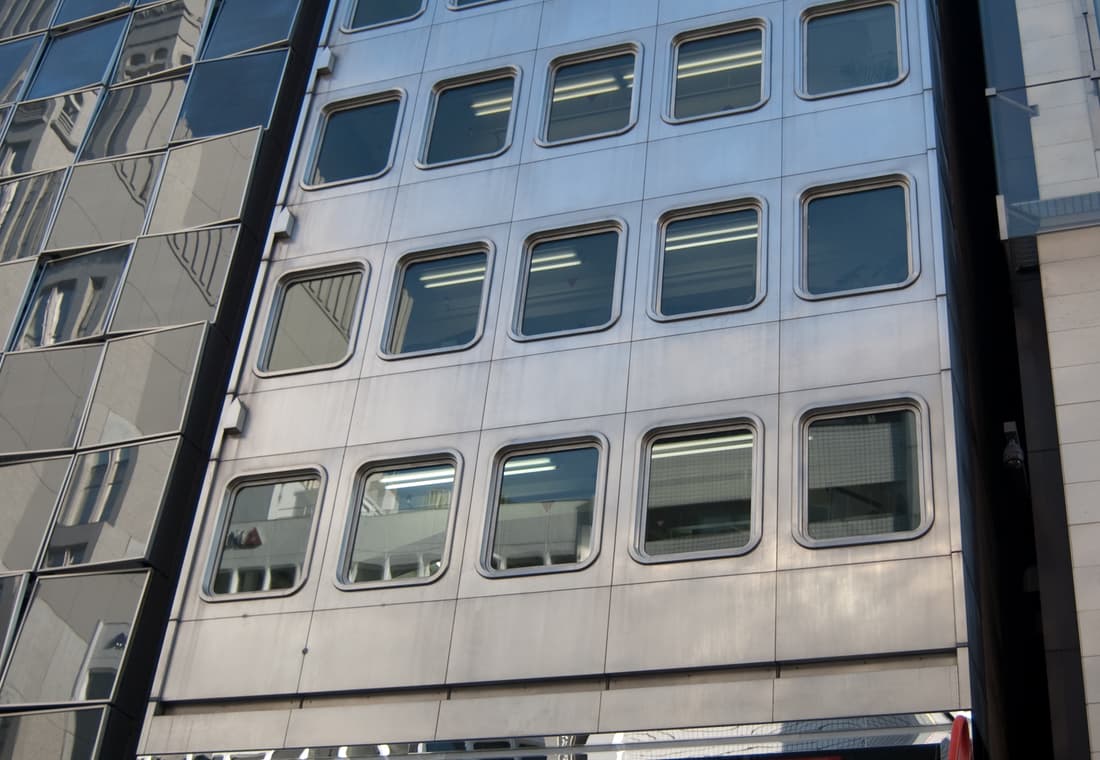
Twelve floors of paper, pens, ink and desk equipment on Chūō-dōri, with each floor given over to one category and laid out like a gallery. There’s a floor of writing paper sorted by weight and texture, a fountain-pen counter that lets you try anything, and a small hydroponic farm near the top that supplies the café.
Our take
Worth an hour even if stationery does nothing for you. It’s one of the few places in Ginza where you can buy something you’ll remember for under ¥1,000.
KstigarbhaCC BY-SA 3.0
- Cost
- Free to browse
- Allow
- 1 hour
Ginza Six
Department store, opened 2017
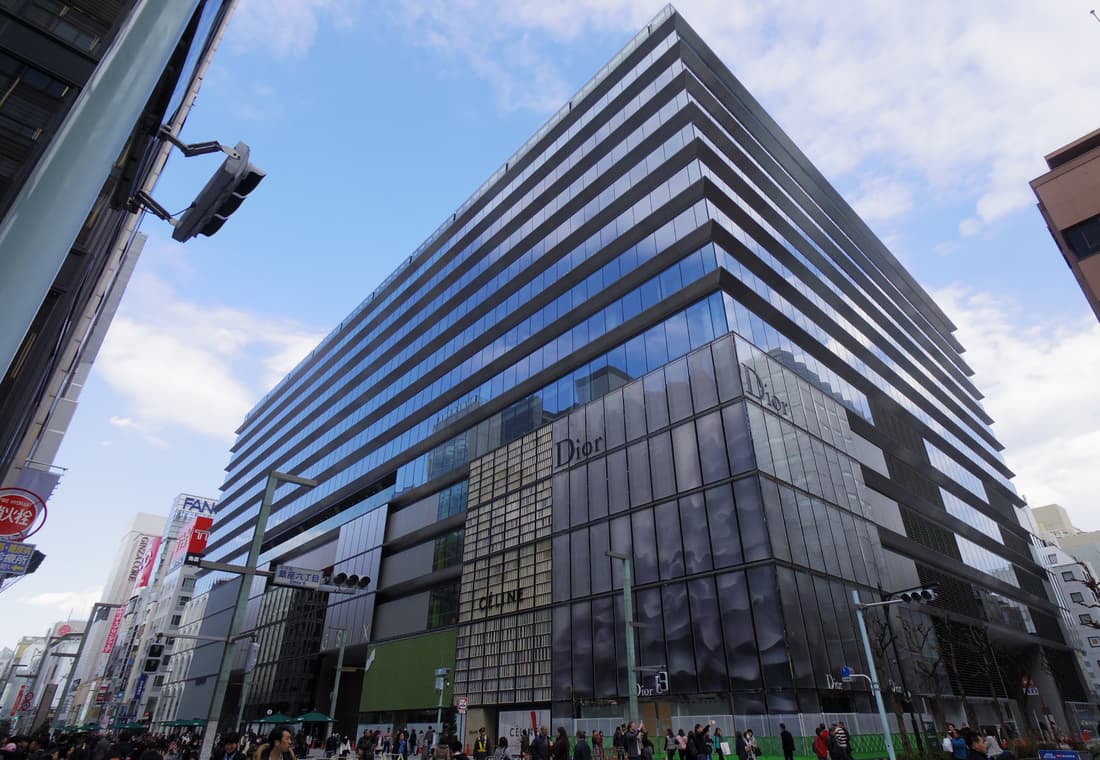
This is the biggest retail complex in the district, and two things inside it are free: a central atrium hung with a rotating large-scale artwork, and a roof garden with benches and lawn.
Our take
Take the lift straight to the roof. It’s free, there are benches and lawn, and there are rarely more than a few people on it.
ITA-ATUCC BY-SA 4.0
- Cost
- Free
- Allow
- 30 minutes
The Wako building and the 4-chōme crossing
Neo-Renaissance department store, 1932
The curved granite building with the clock tower stands on the corner of the main crossing, and it’s one of the few pre-war buildings in Ginza that survived. The clock has chimed the hour there since 1932.
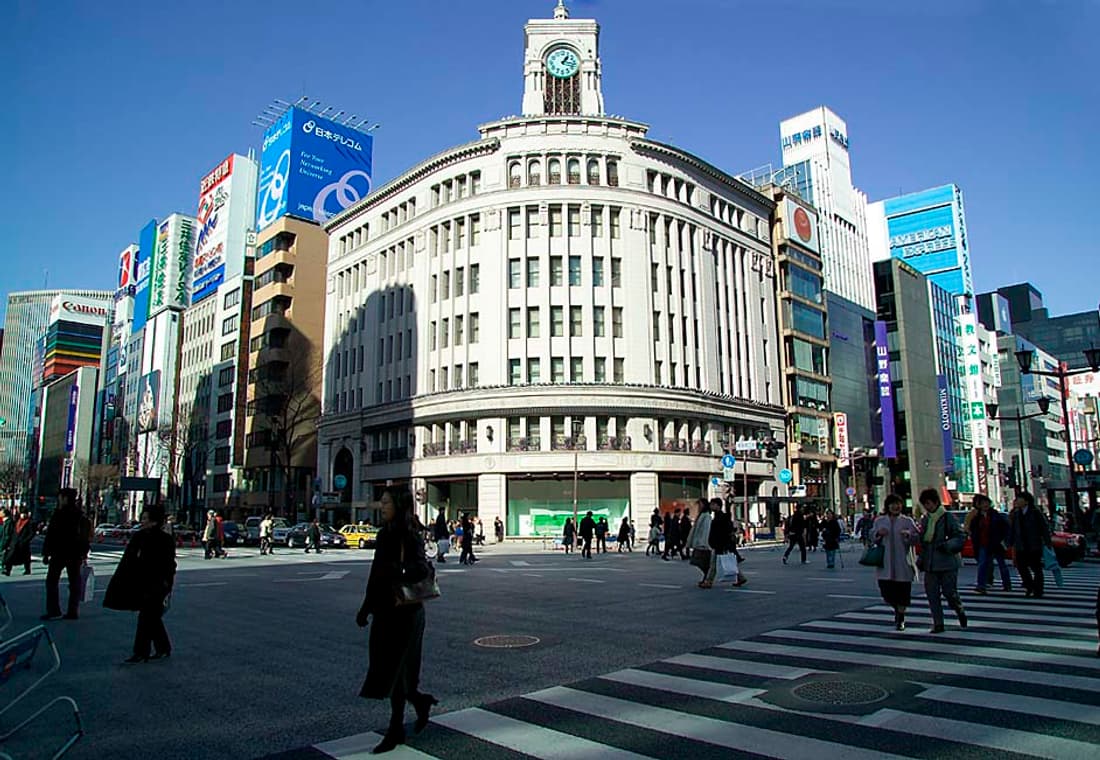
- Cost
- Free
- Allow
- 15 minutes
Sleeping in Ginza
Tokyo at its most expensive and most composed. Flagship stores, serious restaurants and galleries, and largely quiet once the shops shut. Stay here if you’re here to eat and shop properly and the budget isn’t the constraint.
Asked about Ginza
Is Ginza worth visiting if you are not shopping?
Yes. Most of what’s worth doing here is cheap or free. A single act at the Kabuki-za is about ¥1,000. The pedestrianised avenue on weekend afternoons and the roof at Ginza Six cost nothing. Itoya is 12 floors of stationery, and Hamarikyu Gardens is ¥300.
Can you still visit Tsukiji fish market?
The outer market is open and trading, and it’s the part most people actually want — streets of stalls selling seafood, knives and prepared food, with small restaurants among them. The inner wholesale market and the tuna auction moved to Toyosu in 2018 and aren’t at Tsukiji any more. Go before 10am, and check the day: most of it shuts on Sundays and some Wednesdays.
How do you get cheap kabuki tickets in Tokyo?
Ask for hitomakumi, a single-act ticket, at the dedicated window on the side of the Kabuki-za building. They sell on the day of the performance only, cost about ¥1,000–2,000 against several thousand for a full seat, and put you in the 4th-floor tier. You can hire an English audio guide. Buy in the morning for anything popular.
How long do you need in Ginza?
Half a day covers the district itself: the crossing, Itoya, a department store basement and an act of kabuki. A full day works if you start at Tsukiji outer market for breakfast and finish at Hamarikyu Gardens. Both are walkable from here, and they turn Ginza into a whole day rather than an afternoon.
Is Ginza expensive to visit?
The shops are. The district isn’t. Everything listed here comes to under ¥2,000 in admission. The best free things are the weekend street closure and the Ginza Six roof, and department store food halls discount heavily in the last hour before closing. A full day here can cost you less than a Skytree ticket.
Other districts in Tokyo
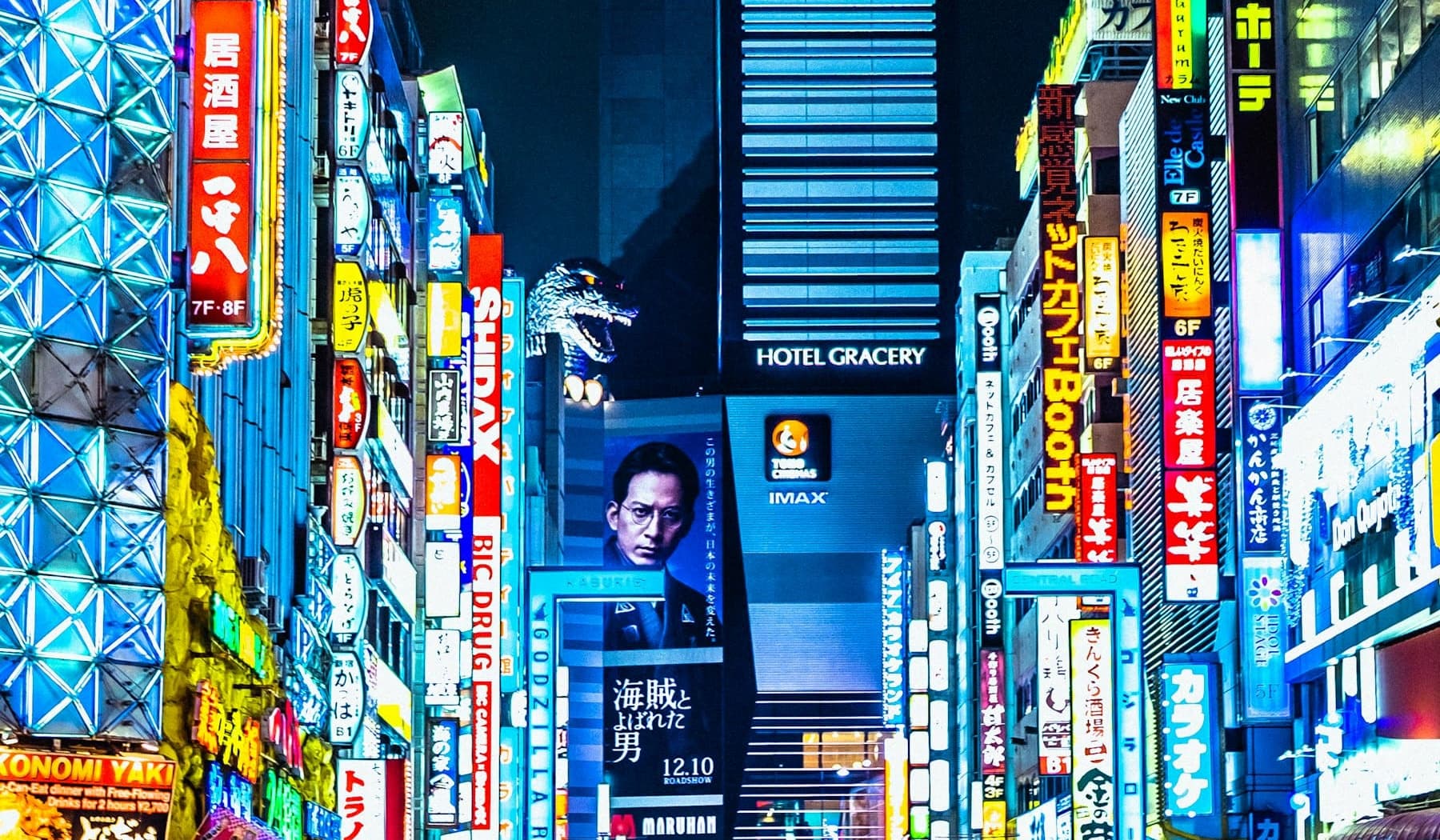 Things to do in ShinjukuThe busiest transport hub in the world, wrapped in department stores, izakaya alleys and the nightlife of Kabukichō. Loud, convenient, and never shut.
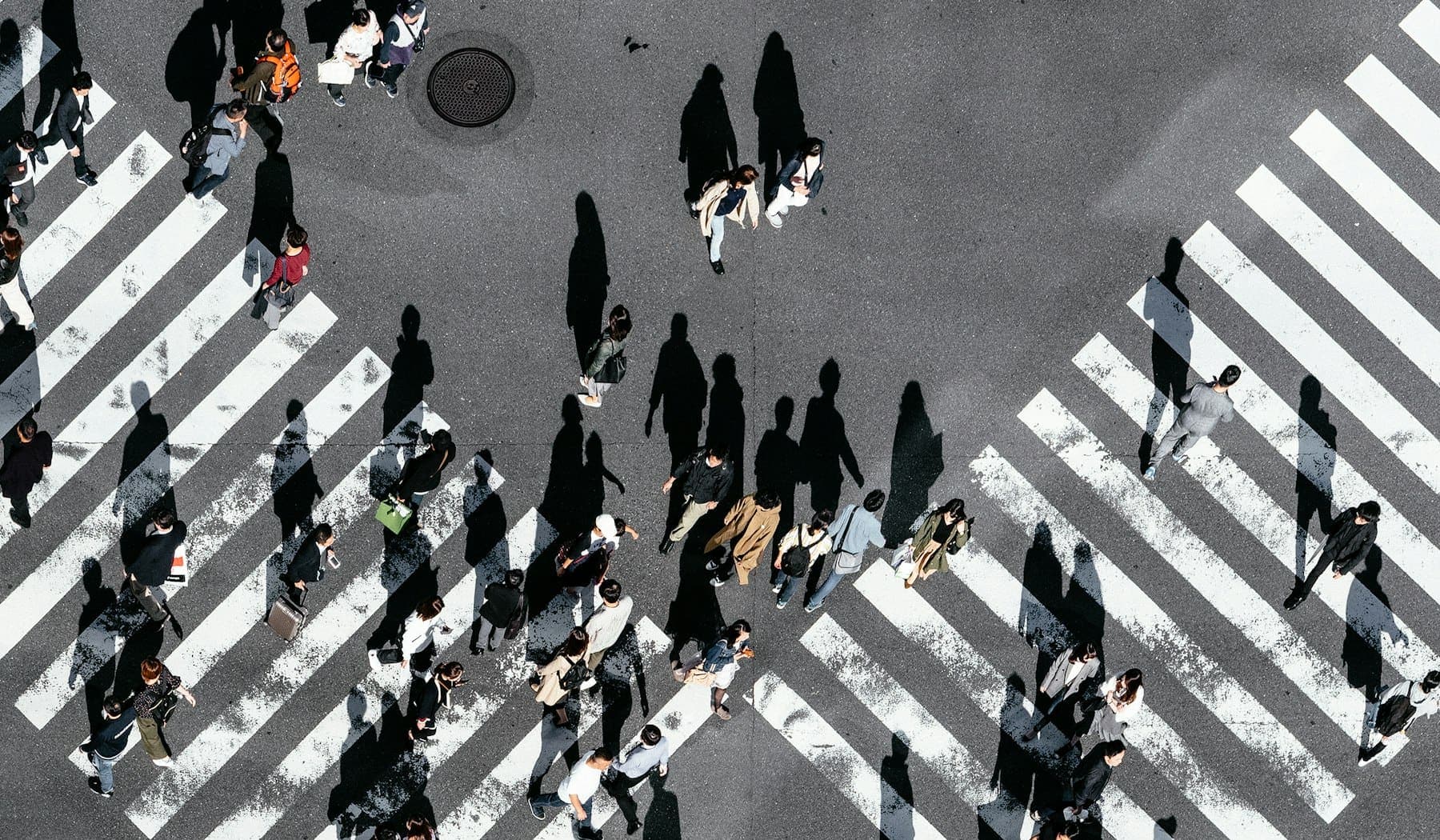 Things to do in ShibuyaYounger and more fashion-driven than Shinjuku, built around the famous crossing and spreading into the quieter backstreets of Tomigaya and Shōtō.
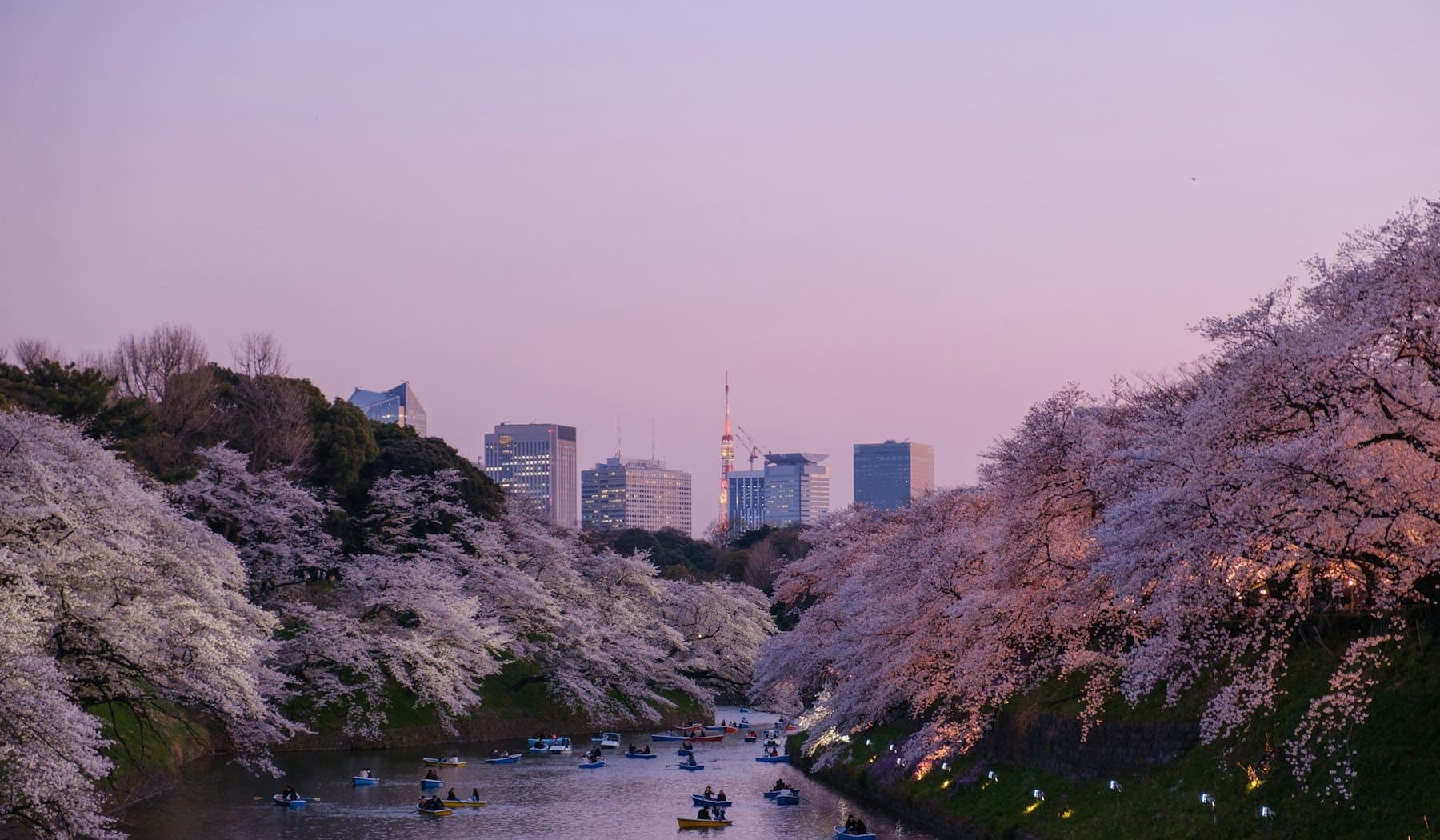 Things to do in MarunouchiThe business district beside the Imperial Palace gardens. Polished, calm in the evenings, and the best-connected point in the country for going anywhere else.
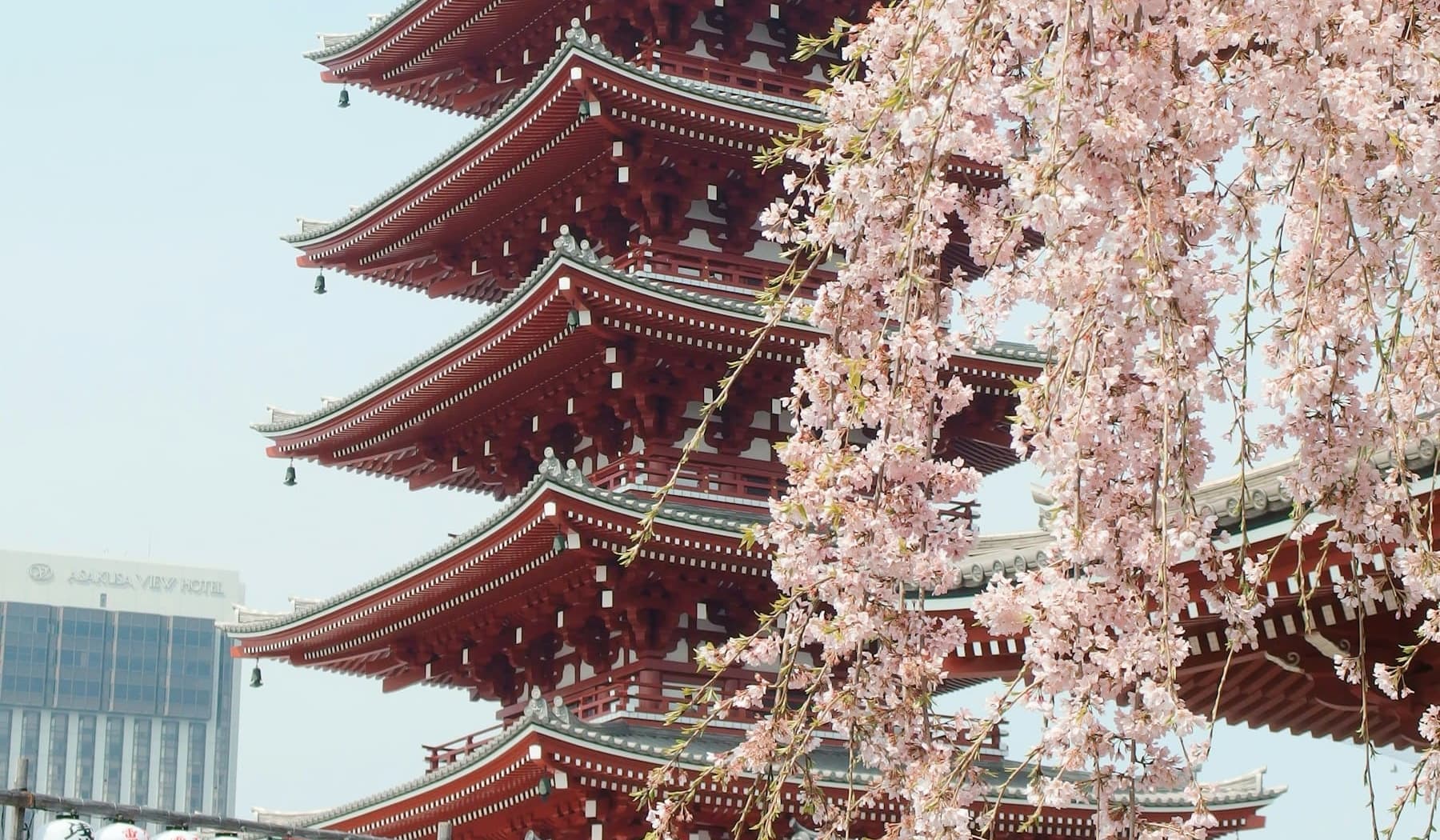 Things to do in AsakusaOld Tokyo around Sensō-ji temple, with low buildings, craft shops and a river. The cheapest of the areas worth staying in, and the best of them early in the morning.
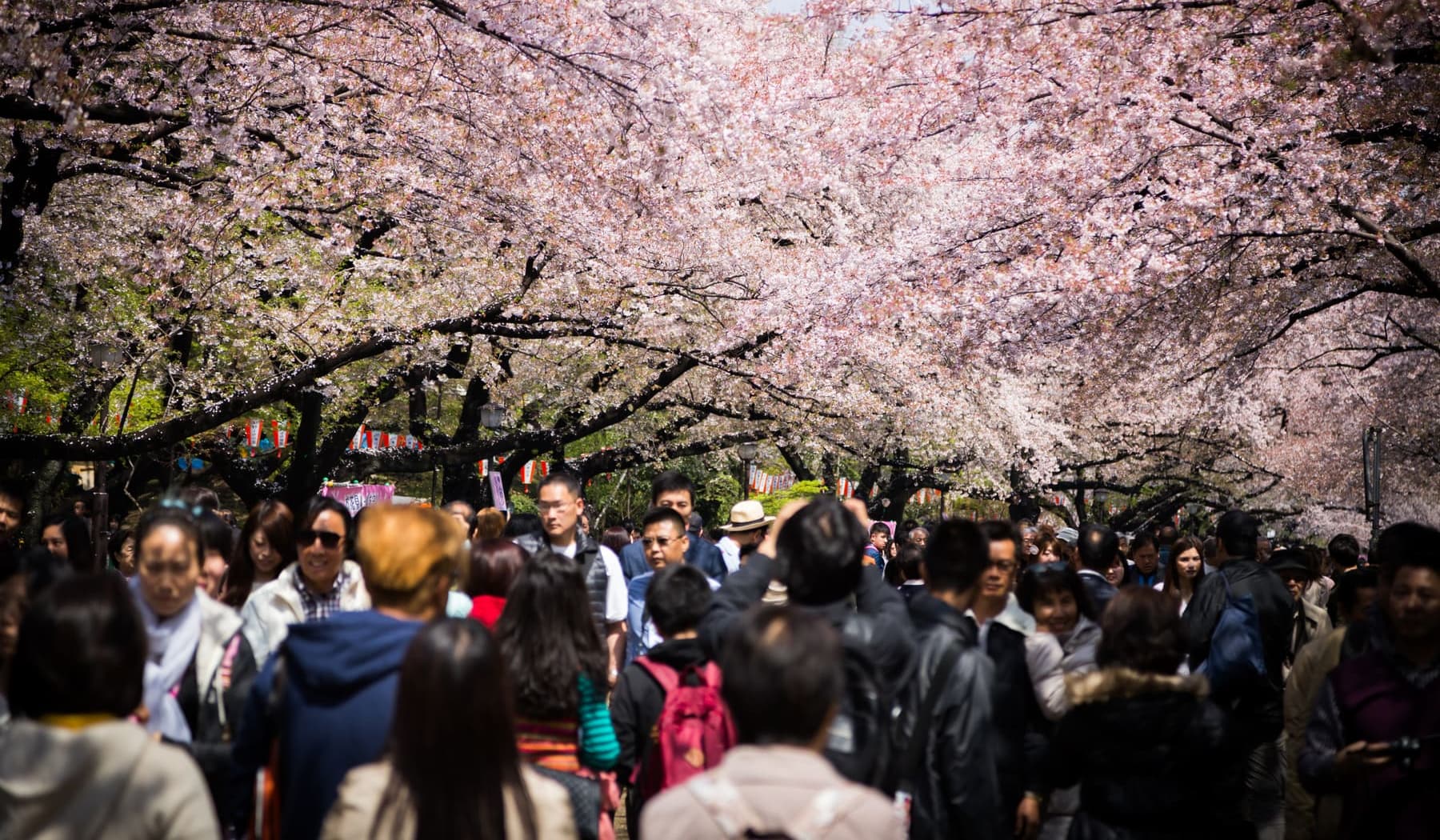 Things to do in UenoMuseums, a big park and a sprawling street market, with good-value rooms and a direct Skyliner from Narita.