
The Best Things to Do in Shinjuku, Tokyo
The busiest station on earth, with six different districts around it.
- An evening
- 2 of 7 free
- Places covered
- 7
- Free to visit
- 2
- Time to allow
- An evening
- Lines serving it
- 4
What the district is
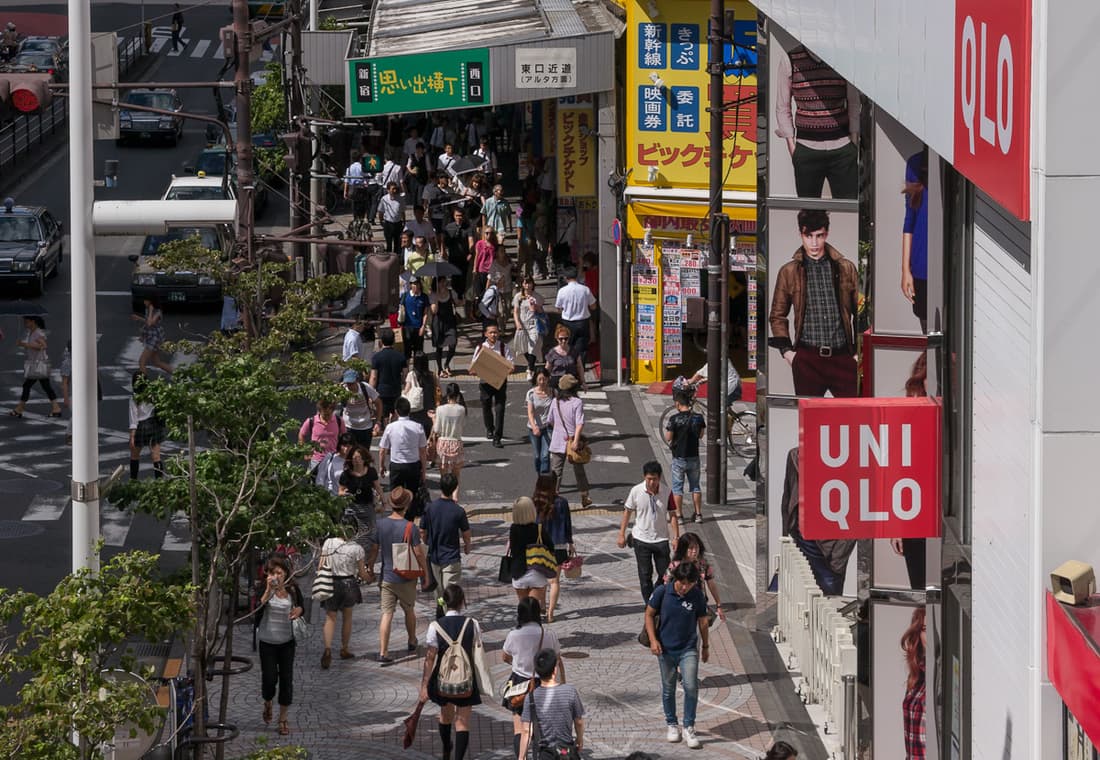
About 3.5 million people pass through Shinjuku Station every day, more than any station anywhere, through over 200 exits. Which side you come out on matters more than anything else here. West is skyscrapers and a free 202m viewing deck. East is department stores, drinking alleys and Kabukichō.
This isn’t a sightseeing district the way Asakusa is. There’s one big garden, one free view, and a lot of eating and drinking. Come in the evening. The two alleys below, Omoide Yokochō and Golden Gai, are what people actually come for.
7 places, what each costs
Durations are what these actually take. 2 of the 7 are free.
- 01Tokyo Metropolitan Government Building45 minutes including the lift queueFree
- 02Shinjuku Gyōen1.5 to 2 hours¥500
- 03Omoide Yokochō1 to 2 hours¥2,000–4,000 for food and a drink
- 04Golden GaiAn eveningSeat fee ¥500–1,500, drinks from ¥700
- 05Kabukichō30 minutes to see itFree to walk
- 06The depachika at Isetan45 minutesFree to browse
- 07Hanazono Shrine15 minutesFree
How Shinjuku fits together
Work out which side you want before you surface, because the station splits the district in two. West is the skyscrapers, 10 minutes on foot to the Metropolitan Government Building. East is Kabukichō, Golden Gai and the department stores, all within 15 minutes of the east exit. Omoide Yokochō sits between the two, on the north-west side of the tracks, and Shinjuku Gyōen is 10 minutes south-east. Crossing under the station takes a good 10 minutes, and that’s how most people lose time here.
Getting here
- Shinjuku — JR Yamanote, Chūō, Sōbu and Saikyō lines, plus Odakyu and Keio
- Shinjuku — Tokyo Metro Marunouchi line and Toei Ōedo and Shinjuku lines
- Shinjuku-sanchōme — closest to Golden Gai and the eastern bars
- Tochomae — Toei Ōedo line, directly under the Metropolitan Government Building
Everything worth your time
Entry prices, and the time each one actually takes.
Tokyo Metropolitan Government Building
Government tower with a free observatory at 202 metres
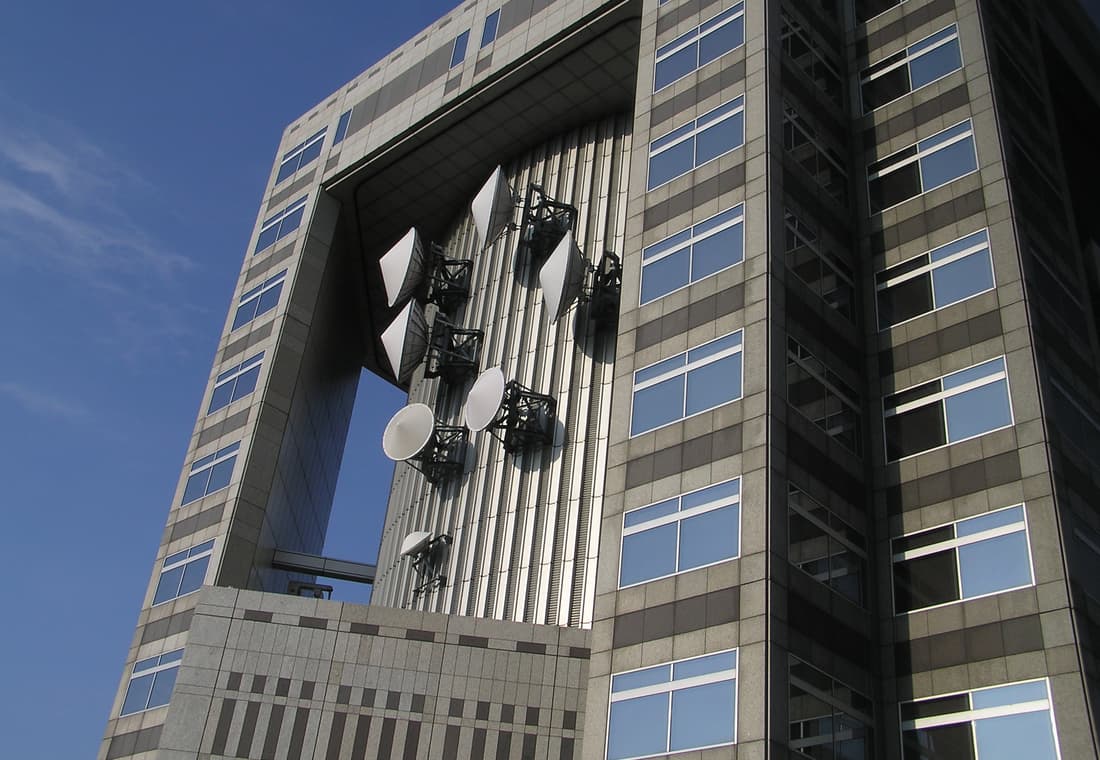
Kenzō Tange designed this twin-towered city hall, and the north tower has a viewing deck on the 45th floor that costs nothing. It stays open until about 10pm. On a clear winter morning you can see Fuji from it. Since 2024 they’ve run a projection-mapping show on the front of the building most nights, free to watch from the plaza below.
Our take
It does the job of a paid tower for nothing — 202m, no ticket, no booking. The queue is worst from 6pm to 8pm, so go at opening or in the last hour.
MorioCC BY-SA 3.0
- Cost
- Free
- Allow
- 45 minutes including the lift queue
Shinjuku Gyōen
Imperial garden, 58 hectares
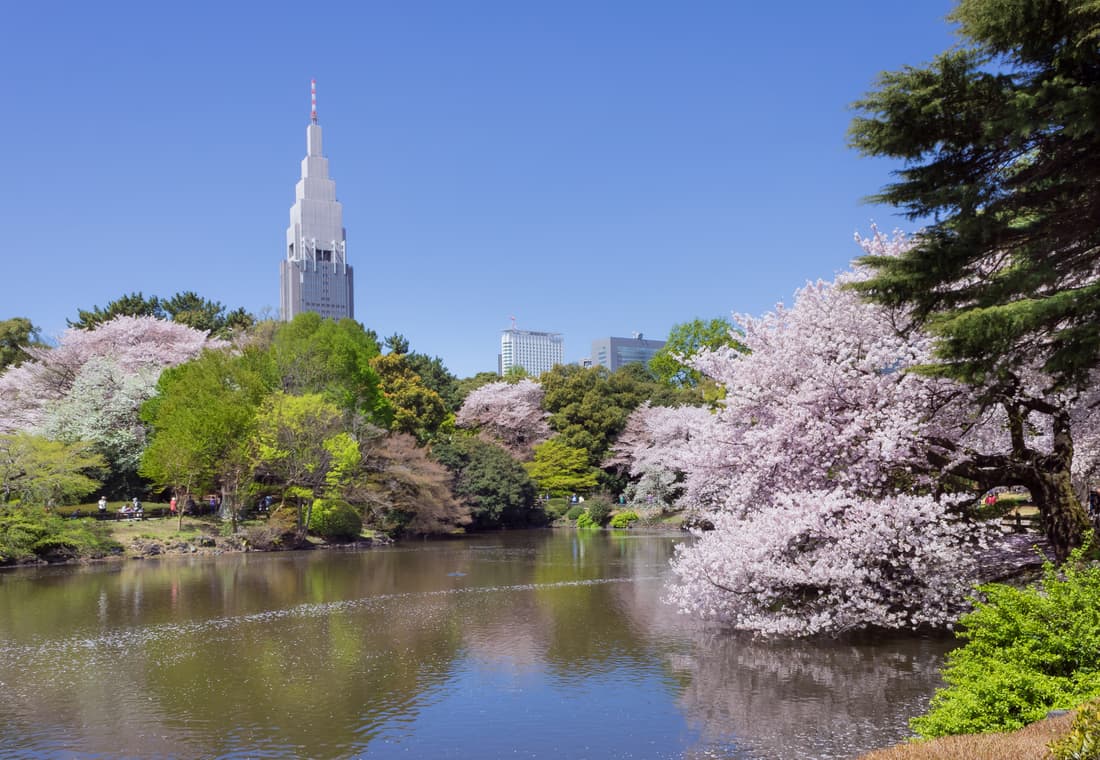
Three gardens sit inside one wall here: a Japanese landscape garden with teahouses, a formal French rose garden, and an English lawn. It was laid out on a feudal lord’s estate and opened to the public after the war. There are about 1,000 cherry trees across a wide spread of varieties, which is why the blossom lasts a fortnight longer here than anywhere else in the city.
Our take
At ¥500 this is the one paid thing in Shinjuku that’s plainly worth it. It shuts on Mondays and stops letting people in during the late afternoon, so don’t save it for the evening.
KakidaiCC BY-SA 3.0
- Cost
- ¥500
- Allow
- 1.5 to 2 hours
Omoide Yokochō
Post-war alley of yakitori stalls
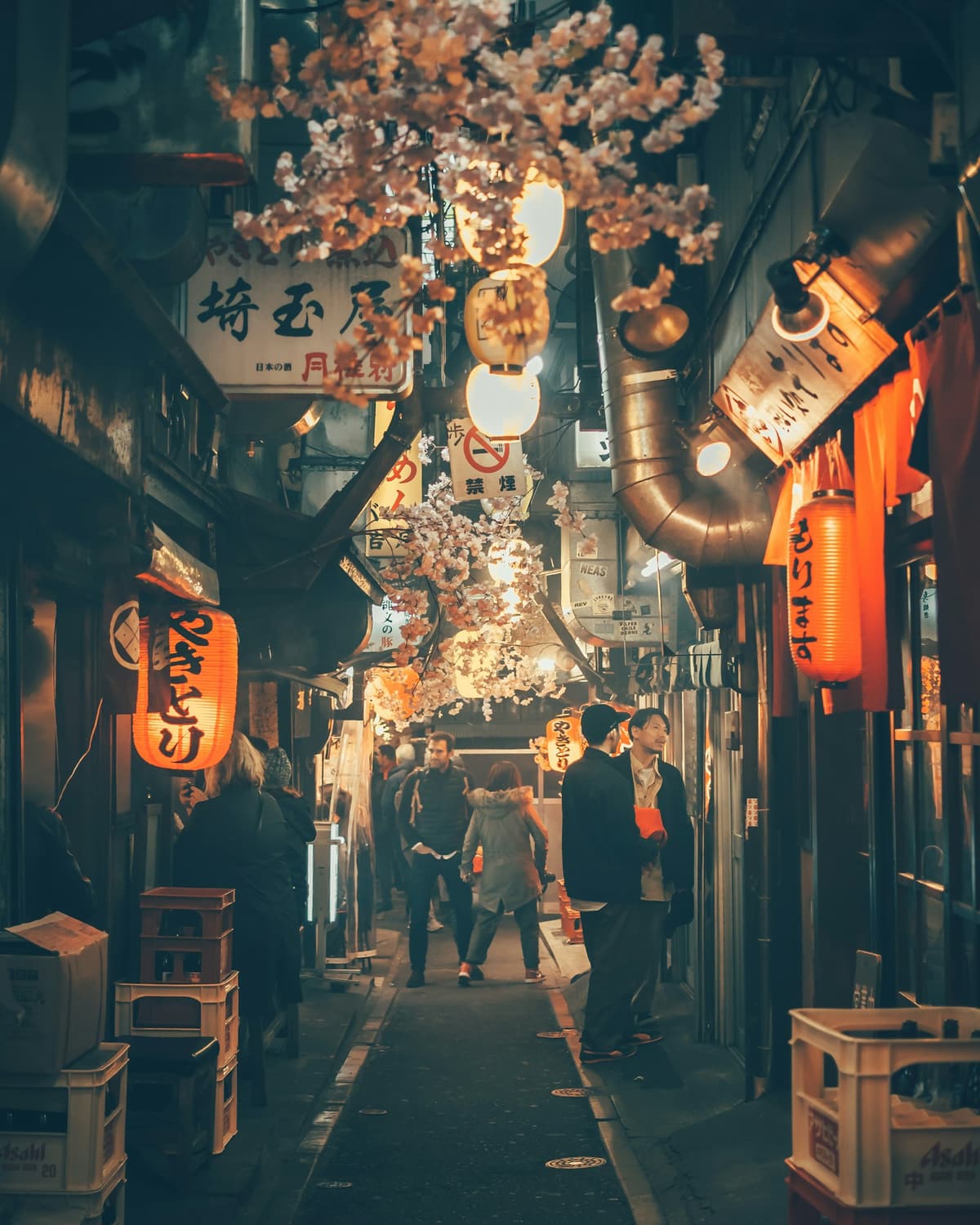
About 60 tiny counters are wedged under and beside the tracks on the north-west side of the station. Most seat 6 to 8 people and have been grilling chicken and offal over charcoal since the late 1940s. You’ll smell of smoke afterwards, and you’ll be sitting a foot from whoever is next to you. The older nickname for the alley refers to the lack of toilets in the post-war years.
Our take
Get there around 5pm or 6pm while there are still seats. Some stalls add a small cover charge, and a few put English menus up at raised prices. The counters with no menu at all are usually cheaper.
Rs1421CC BY-SA 3.0
- Cost
- ¥2,000–4,000 for food and a drink
- Allow
- 1 to 2 hours
Time to allow
An evening
What a first visit gets wrong
- Work out east or west before you leave the platform. Crossing under Shinjuku Station takes 10 minutes, and every exit sign assumes you already know which side you want.
- Golden Gai doesn’t open early. Most bars go up around 8pm, so an alley that looks dead at 6pm just isn’t open yet.
- Take cash to the alleys. Plenty of counters in Golden Gai and Omoide Yokochō don’t take cards at all, and the nearest reliable ATM is inside a convenience store.
- JR, Odakyu and Keio all have their own ticket gates inside Shinjuku Station. An IC card gets you through any of them. A paper ticket bought for one won’t open the others.
- Last trains go between midnight and 1am. A taxi from Shinjuku to the east of the city costs several thousand yen.
Golden Gai
Six alleys of about 200 micro-bars
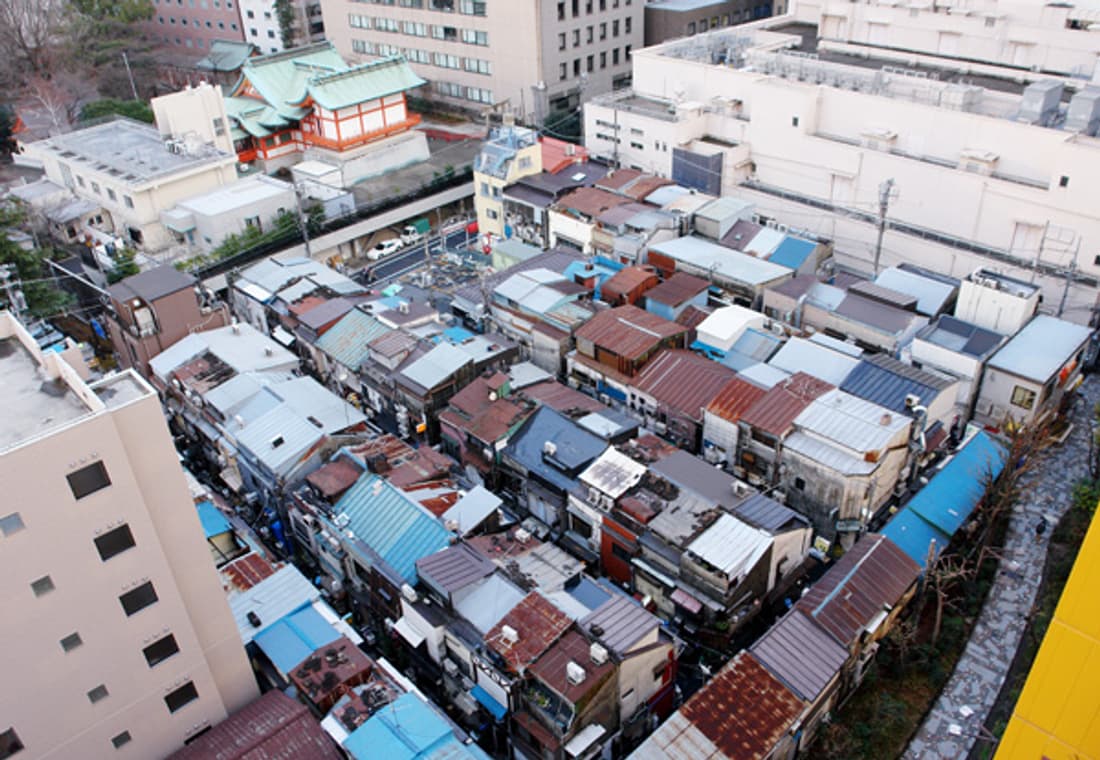
A block of post-war shanty buildings survived here, east of the station, and it now holds about 200 bars across six alleys. Most seat 5 to 10 people. Each one has a theme its owner picked — punk records, horror films, a single distillery — and most are the size of somebody’s front room.
Our take
Two things to know. Most bars charge ¥500–1,500 to sit down on top of what you drink, and it should be posted at the door — if you can’t see it, ask. And some places are regulars-only and will tell you so, because a 10-seat room can’t take a group of six. English signage in the window means you’re welcome.
てらたにこういちCC BY 3.0
- Cost
- Seat fee ¥500–1,500, drinks from ¥700
- Allow
- An evening
Kabukichō
Nightlife and entertainment district
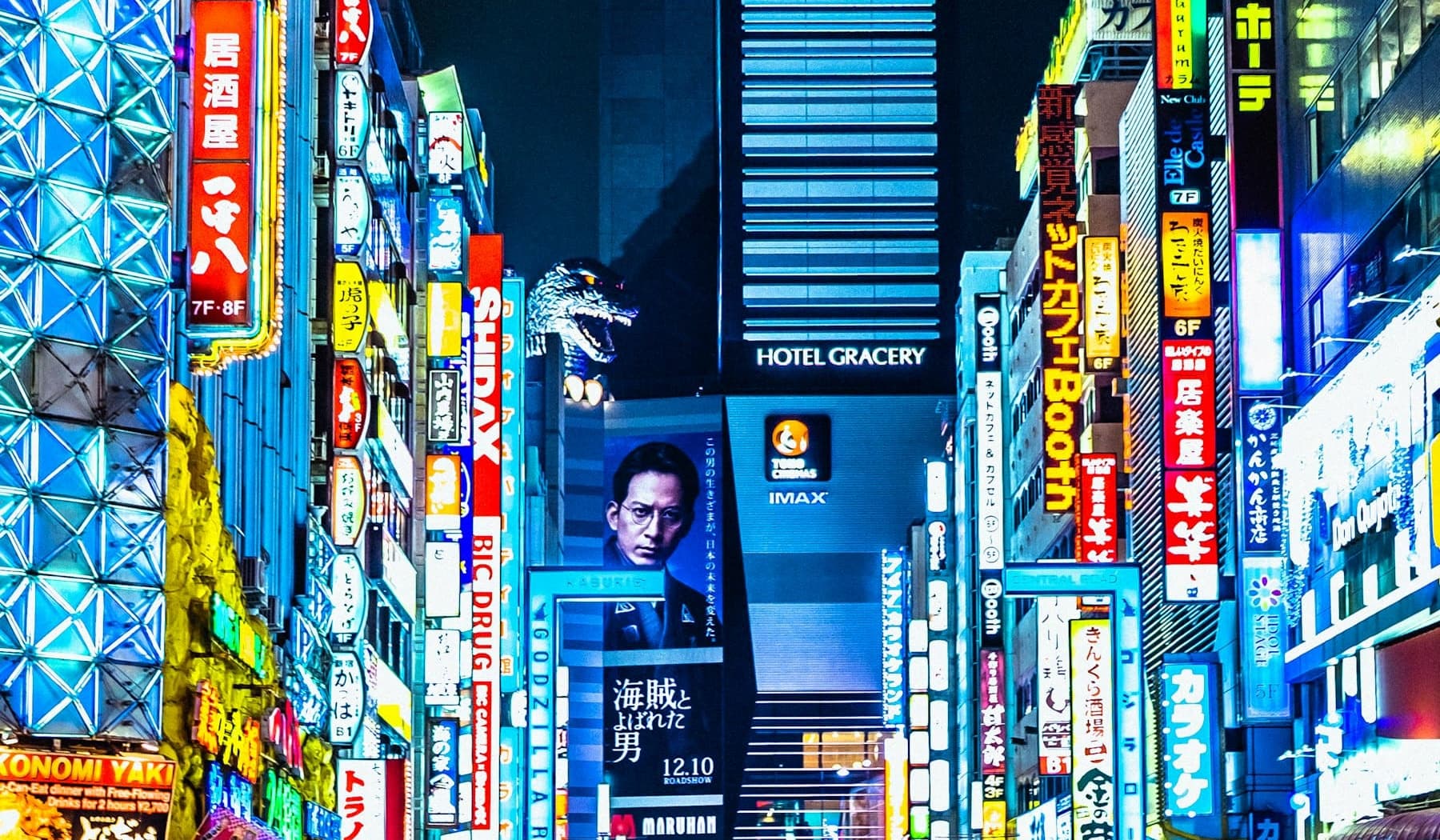
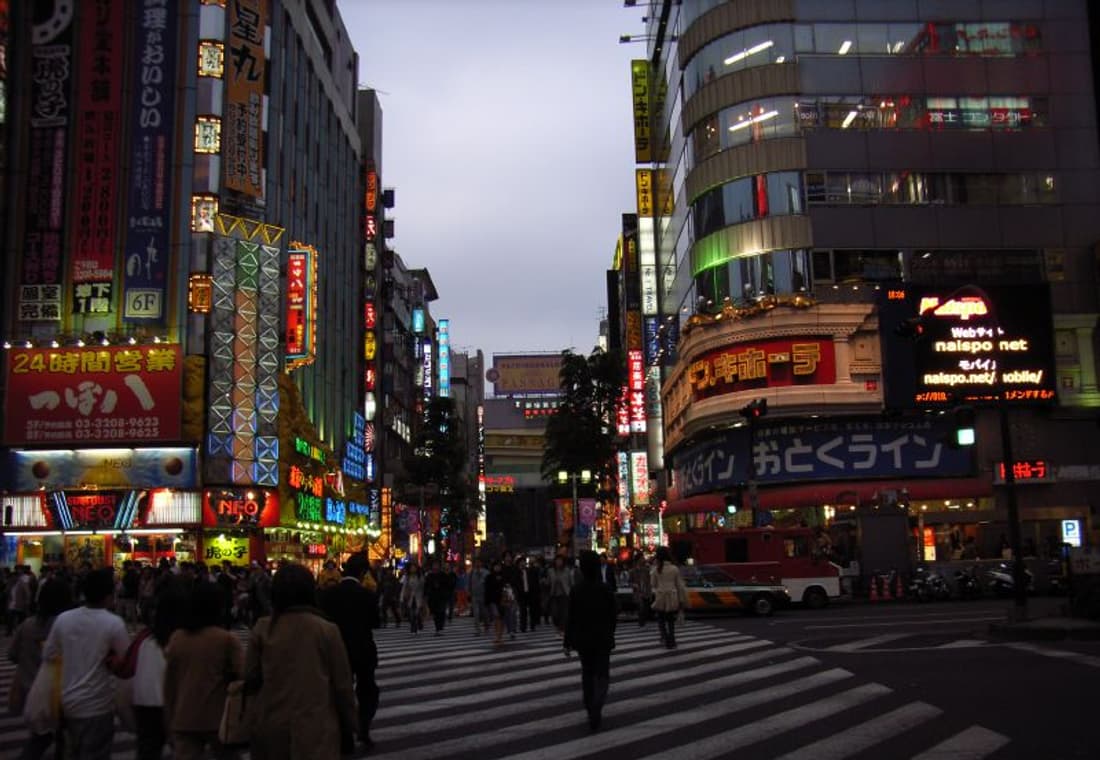
This is the dense grid north-east of the station, named after a kabuki theatre that never got built. You’ll find cinemas, arcades, karaoke, izakaya, and the Godzilla head looking over Toho’s building on Central Road. It’s also Tokyo’s red-light district, and the one part of the city with a real touting problem.
Our take
Fine to walk through, and worth seeing once for the wall of neon. Don’t follow anyone who approaches you in the street. The usual scam is a friendly offer of a cheap bar that ends in a bill for tens of thousands of yen. Bars you pick yourself are fine. Bars you’re led to are not.
Naoki Nakashima from New York, USACC BY-SA 2.0
- Cost
- Free to walk
- Allow
- 30 minutes to see it
The depachika at Isetan
Department store food hall, two basement floors
Isetan’s two basement floors are the best department store food hall in Tokyo. Prepared food, patisserie, pickles, bento. Nothing is cheap, but most of it comes in single portions and most counters will give you a sample.
Our take
Put dinner together here for about ¥2,000 and eat it in your room — better food than most restaurant meals at that price. They start marking down what hasn’t sold from about 7pm.
- Cost
- Free to browse
- Allow
- 45 minutes
Hanazono Shrine
Shinto shrine, Edo period
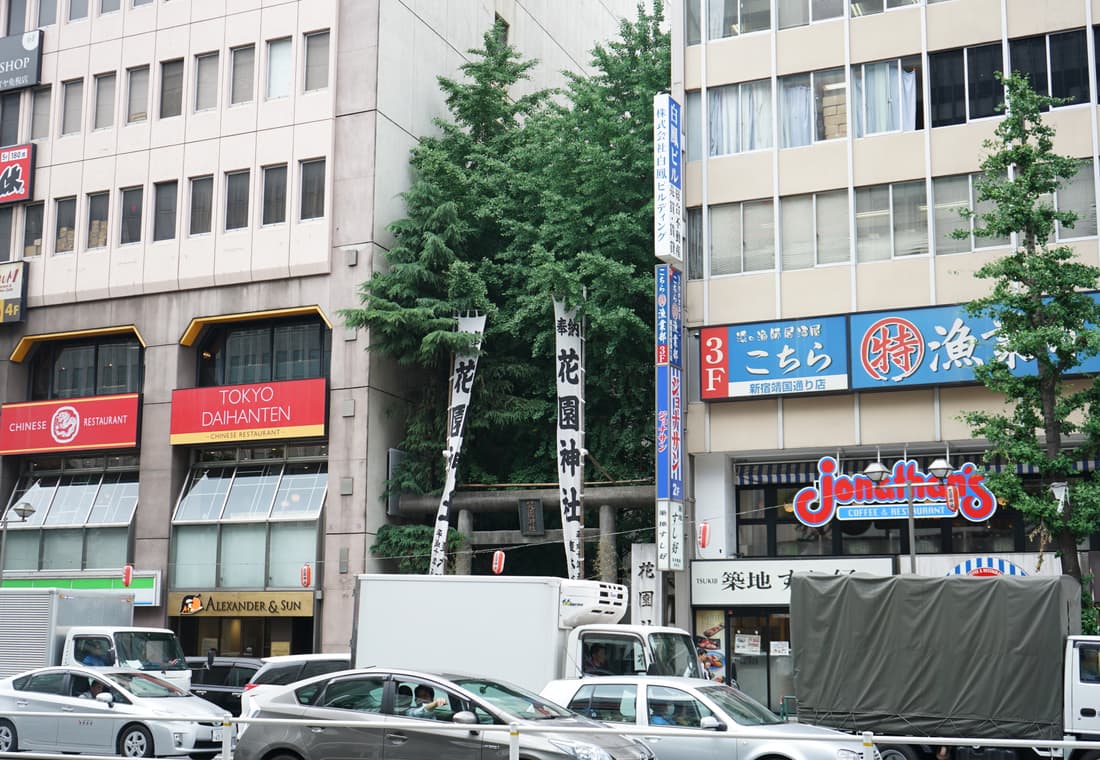
A small vermilion shrine sits directly behind Golden Gai, floodlit at night and almost always empty. There’s an antiques and flea market in the grounds most Sundays, and a big festival in late May.
Alexandar VujadinovicCC BY-SA 4.0
- Cost
- Free
- Allow
- 15 minutes
Sleeping in Shinjuku
The busiest transport hub in the world, wrapped in department stores, izakaya alleys and the nightlife of Kabukichō. Loud, convenient, and never shut. Stay here if you want everything on your doorstep and don’t mind noise, or you’re making day trips and need the rail connections.
Asked about Shinjuku
What is there to do in Shinjuku during the day?
Less than in the evening. Shinjuku Gyōen is a genuine half-morning and worth the ¥500. The free deck at the Metropolitan Government Building is clearest in the morning. The Isetan food halls are an hour well spent. Past those three, it’s department stores and offices until the light goes, so put Shinjuku in the second half of a day.
Is Golden Gai worth visiting?
Yes, as long as you know the format. About 200 bars of 5 to 10 seats each, most the size of a front room. Expect ¥500–1,500 to sit down on top of your drinks, posted at the door. Bars with English signs want visitors; bars that say regulars only mean it. Go on a weeknight — weekends fill the alleys with people photographing them rather than drinking in them.
Is Kabukichō safe?
Yes to walk through, including late, and violent crime is rare. The risk is financial. Touts offer cheap bars that turn into enormous bills, and that’s an established practice rather than the odd bad night. One rule removes nearly all of it: never go into a bar you were invited into on the street.
Is the Tokyo Metropolitan Government Building observatory free?
Completely free, no ticket and no booking. The north tower deck is at 202m and stays open until about 10pm, which makes it a straight swap for a paid tower like Skytree. Fuji shows up on clear mornings, mostly in winter. Queues build from 6pm to 8pm and are short at almost any other hour.
How long should I spend in Shinjuku?
One evening covers the alleys, the observatory and dinner. Add a morning if you want Shinjuku Gyōen, which deserves an unhurried 90 minutes to itself. If you’re staying in Shinjuku you’ll pass through the station enough times to pick up the rest without planning it.
Other districts in Tokyo
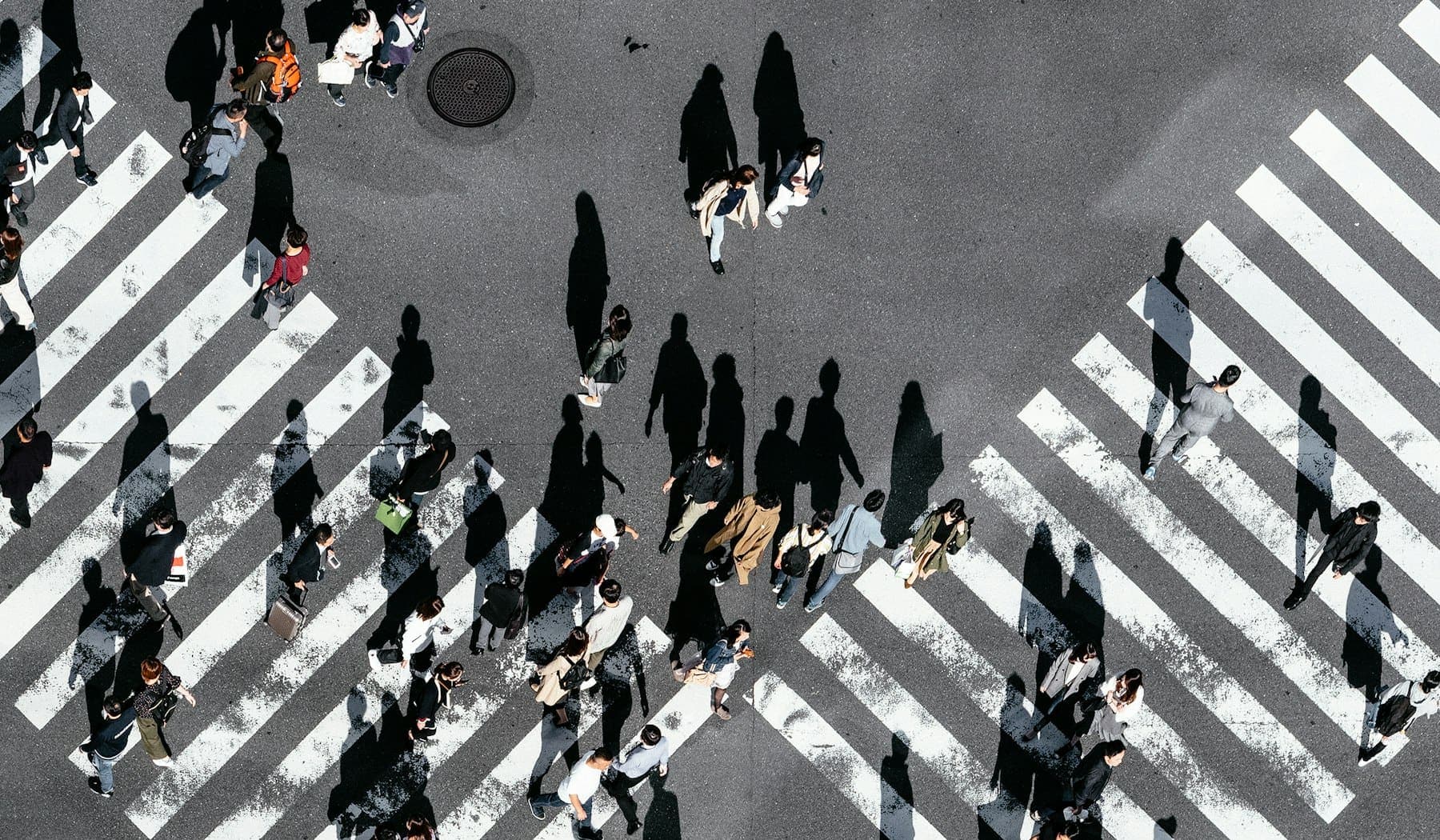 Things to do in ShibuyaYounger and more fashion-driven than Shinjuku, built around the famous crossing and spreading into the quieter backstreets of Tomigaya and Shōtō.
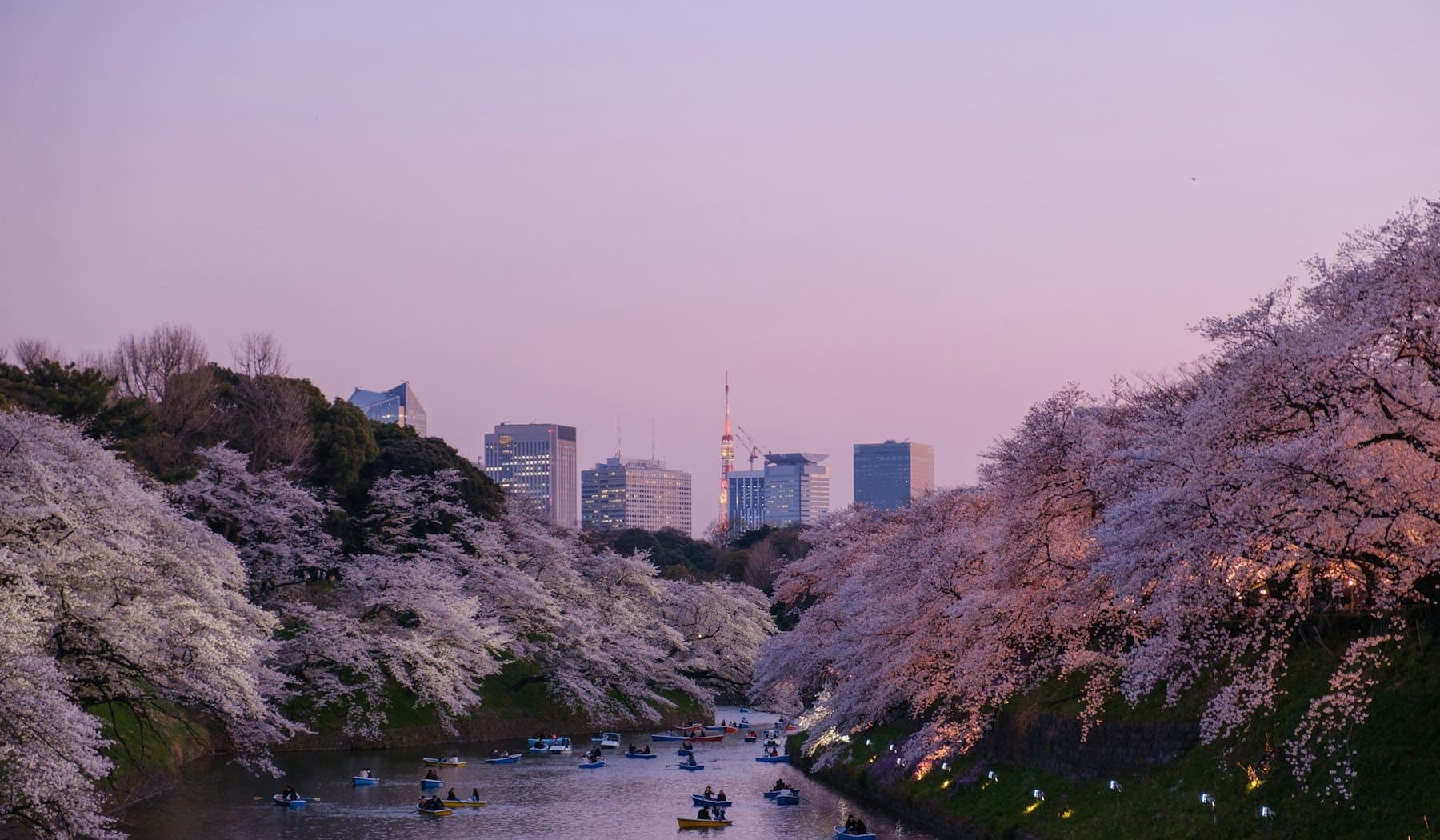 Things to do in MarunouchiThe business district beside the Imperial Palace gardens. Polished, calm in the evenings, and the best-connected point in the country for going anywhere else.
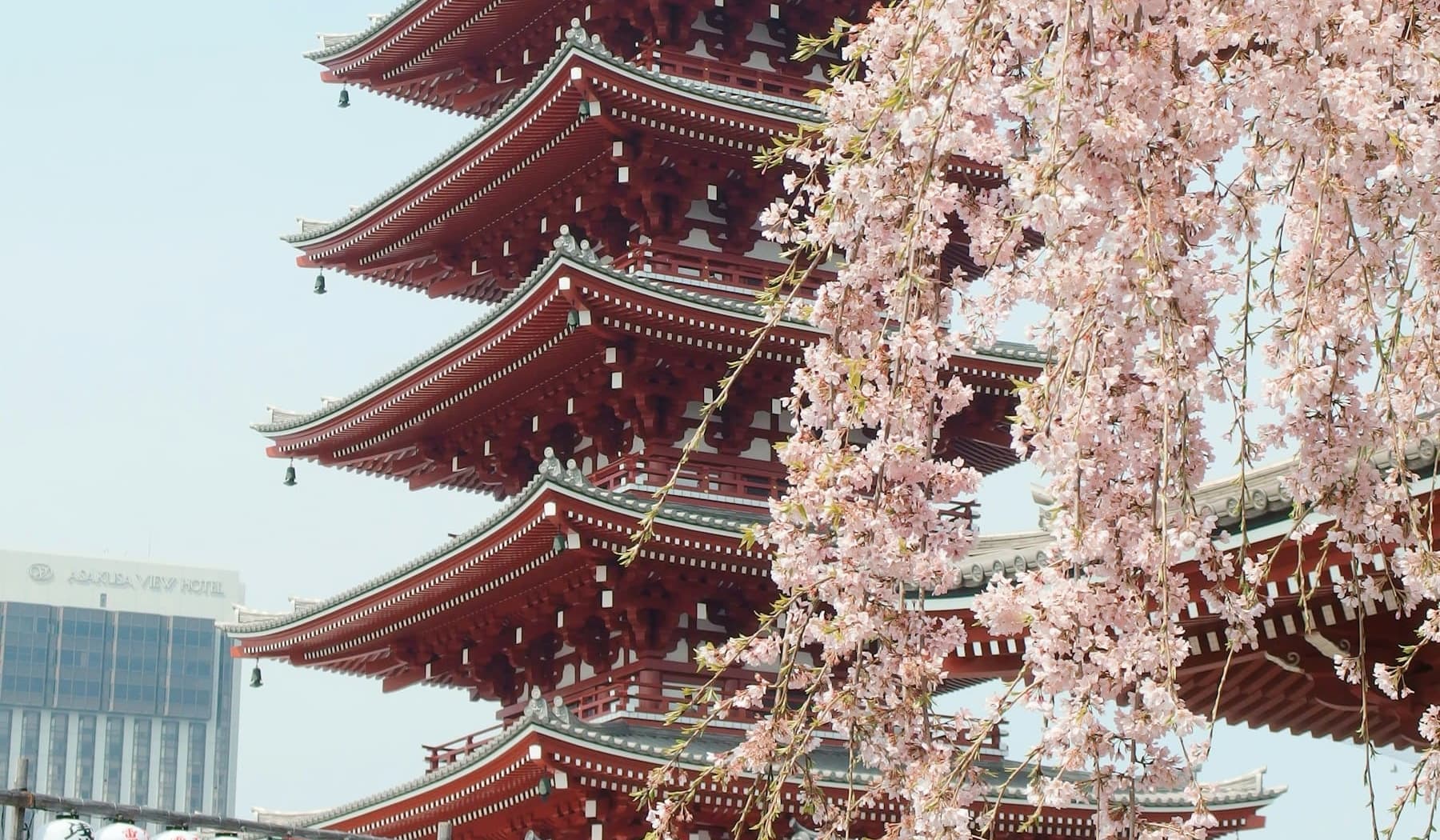 Things to do in AsakusaOld Tokyo around Sensō-ji temple, with low buildings, craft shops and a river. The cheapest of the areas worth staying in, and the best of them early in the morning.
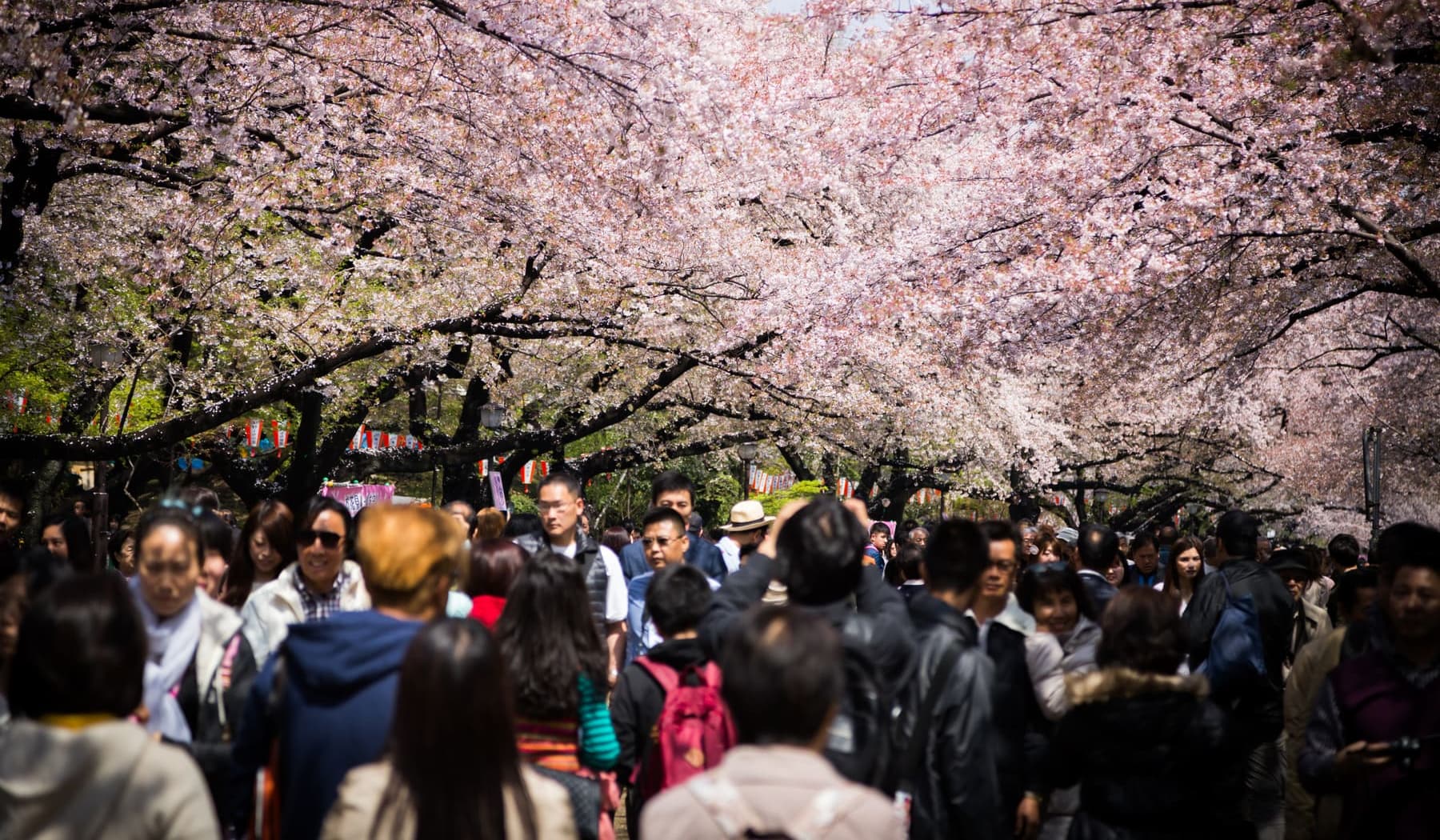 Things to do in UenoMuseums, a big park and a sprawling street market, with good-value rooms and a direct Skyliner from Narita.
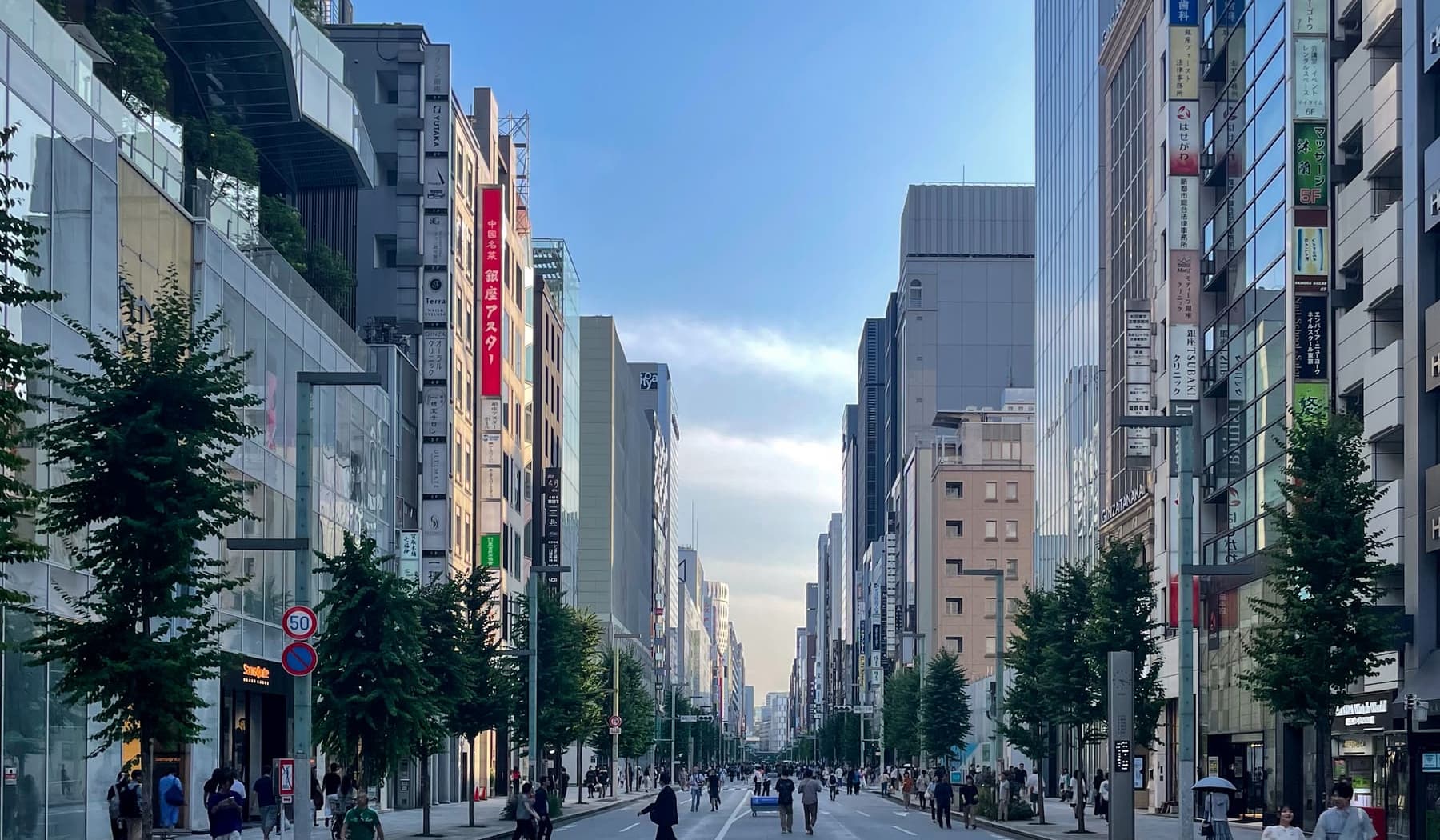 Things to do in GinzaTokyo at its most expensive and most composed. Flagship stores, serious restaurants and galleries, and largely quiet once the shops shut.