
The Best Things to Do in Marunouchi, Tokyo
A 1914 station, the palace gardens, and the best free view in the centre.
- Half a day
- 5 of 7 free
- Places covered
- 7
- Free to visit
- 5
- Time to allow
- Half a day
- Lines serving it
- 4
What the district is
Marunouchi is the square kilometre between Tokyo Station and the Imperial Palace. Three things here are worth your time and none of them costs anything. You get the restored 1914 red-brick station, the free East Gardens on the old Edo Castle site, and the KITTE roof terrace looking straight down onto the platforms. The rest is offices.
So it’s a half day, not a full one. It’s a good one to put at either end of a trip, because every Shinkansen and both airport routes come through here. It’s also the quietest central district in the evening, since everyone who works here leaves at 7pm.
7 places, what each costs
Durations are what these actually take. 5 of the 7 are free.
- 01Tokyo Station Marunouchi building30 minutesFree
- 02KITTE rooftop garden30 minutesFree
- 03Imperial Palace East Gardens1 to 1.5 hoursFree
- 04Nijūbashi20 minutesFree
- 05Marunouchi Naka-dōri30 minutesFree
- 06Tokyo Character Street and Ramen Street1 hour¥1,000–1,500 for a bowl
- 07Mitsubishi Ichigokan Museum1.5 hoursAbout ¥2,000 depending on the exhibition
How Marunouchi fits together
The red-brick Marunouchi side of the station faces west towards the palace down a short avenue. KITTE is directly opposite the south dome. The East Gardens are a 10-minute walk west, and Naka-dōri runs parallel to the station one block in. Ginza is 10 minutes south. Everything here is within 15 minutes of the Marunouchi central exit.
Getting here
- Tokyo — JR Yamanote, Chūō and all Shinkansen lines
- Tokyo — Tokyo Metro Marunouchi line
- Ōtemachi — five lines, connected underground, closest to the palace gardens
- Yūrakuchō — JR Yamanote line, five minutes south towards Ginza
Everything worth your time
Entry prices, and the time each one actually takes.
Tokyo Station Marunouchi building
Railway station, 1914, restored 2012
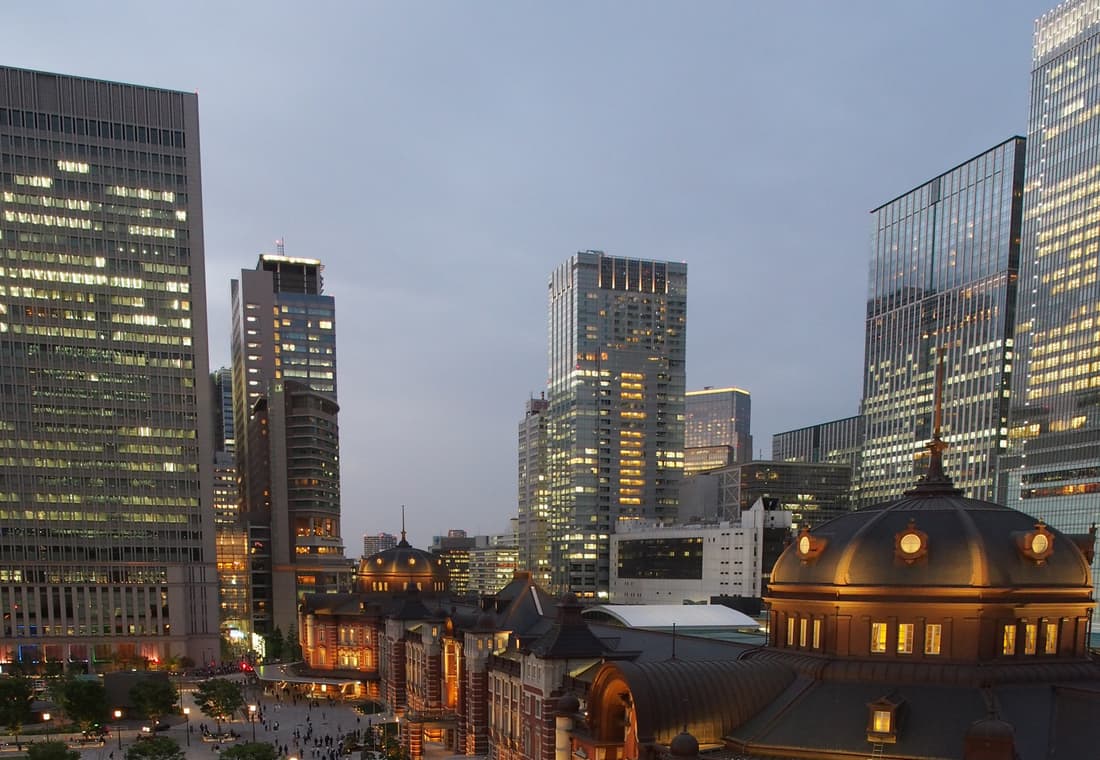
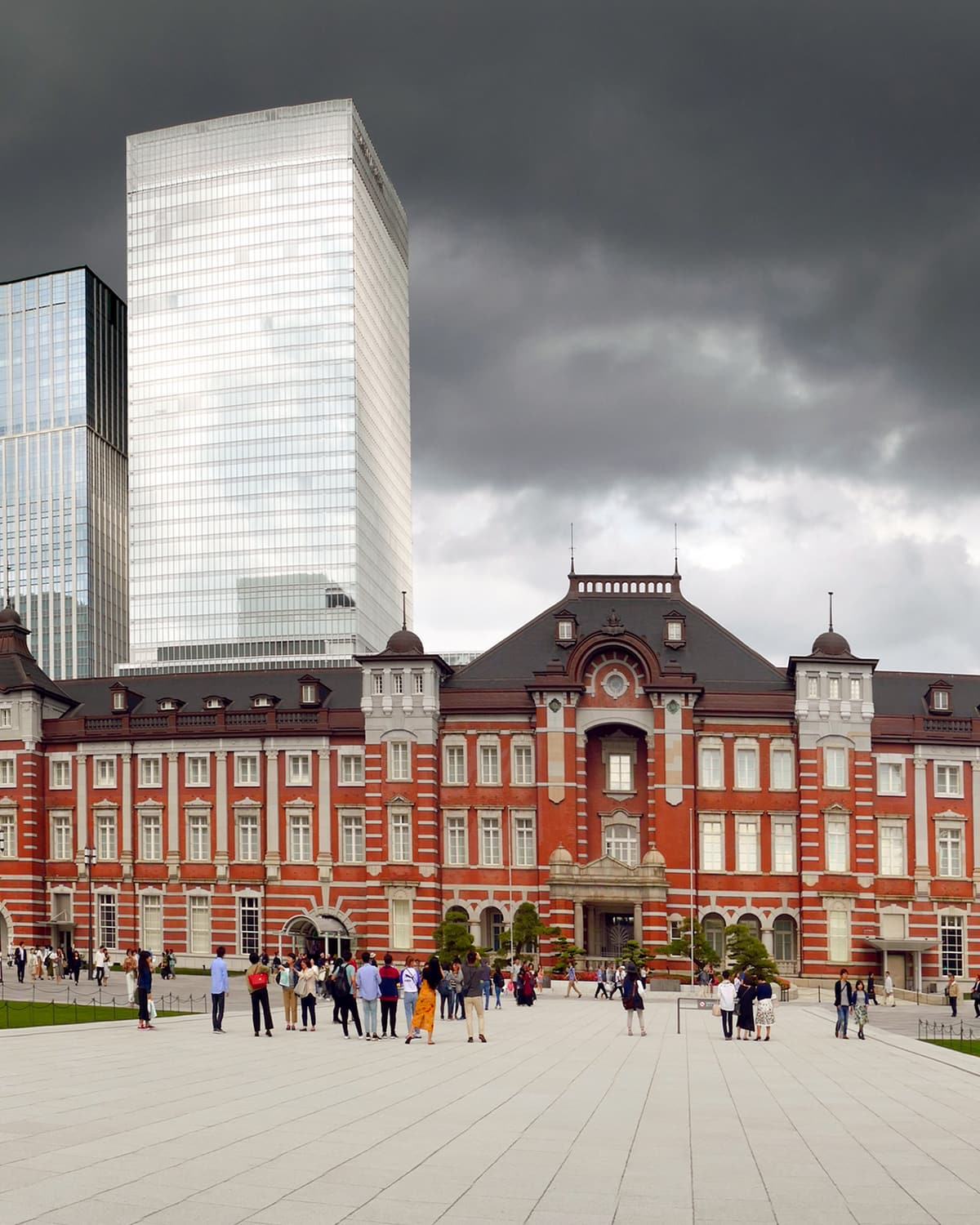
Tatsuno Kingo built this red-brick terminus in 1914. Wartime bombing took off the top floor and the domes, and the 2012 restoration put both back to the original design, so it now looks the way it did when it opened. Step inside the north and south domes for the relief work in the ceilings. It’s free and takes 2 minutes.
Our take
Shoot it from the far side of the plaza in the evening when it’s floodlit, or from the KITTE roof. At street level the building is too long to get into a frame.
KestrelCC BY-SA 4.0
- Cost
- Free
- Allow
- 30 minutes
KITTE rooftop garden
Free terrace on a converted 1931 post office
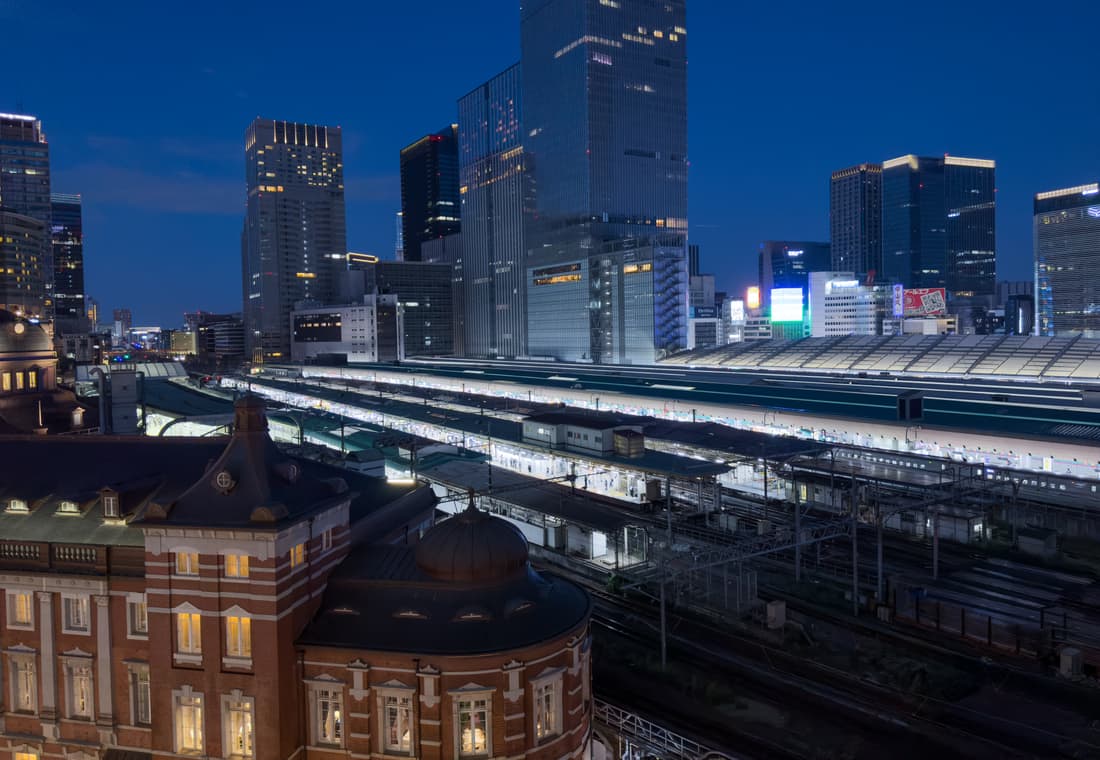
They kept the front of the old Tokyo Central Post Office and rebuilt behind it. The 6th floor opens onto a terrace looking across at the station roof and down onto the platforms, with trains coming and going underneath you. There’s decking, planting and seating, and it stays open into the evening.
Our take
Free, open into the evening, and the only spot that fits the whole station into one shot.
Dick Thomas JohnsonCC BY 2.0
- Cost
- Free
- Allow
- 30 minutes
Imperial Palace East Gardens
Free gardens on the Edo Castle site
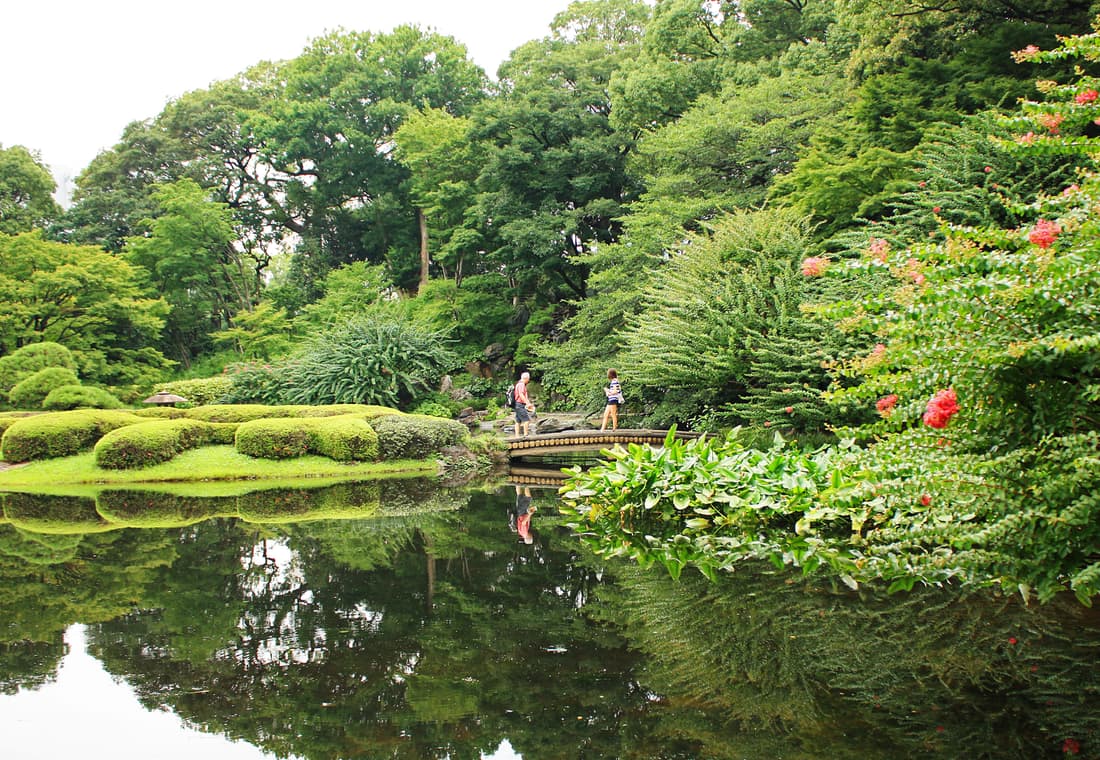
These are the former inner defences of Edo Castle, open to the public and free to walk into. The huge stone base of the castle keep is still standing — the tower burned in 1657 and nobody rebuilt it. You get guardhouses, a Japanese garden, and walls of fitted stone that show you the scale of the place before Tokyo existed.
Our take
Free, and the only part of the palace grounds you can walk into without booking. Closed on Mondays and Fridays.
- Cost
- Free
- Allow
- 1 to 1.5 hours
What a first visit gets wrong
- Tokyo Station is really two stations back to back, the red-brick Marunouchi side and the modern Yaesu side. Crossing between them underground takes 10 minutes, so agree which side before you arrange to meet anyone.
- If you’re catching a Shinkansen, buy an ekiben in the station rather than eating first. The bento counters near the Shinkansen gates are excellent and eating on board is expected.
- Ōtemon is the closest East Gardens gate to Tokyo Station, and the one most people use.
- Ginza is a 10-minute walk south, so the two districts pair up into one day more naturally than either does with anywhere else.
Nijūbashi
Bridge and the classic palace view
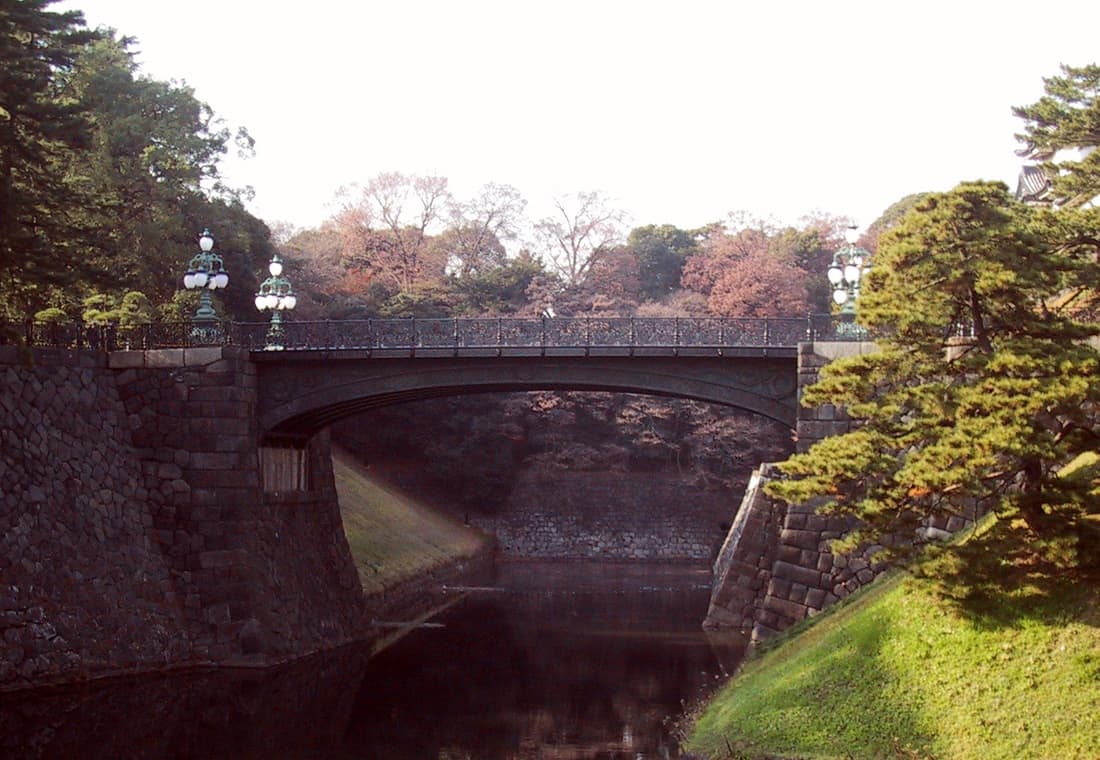
The stone bridge crosses the moat at the main entrance to the palace, with a turret and a stand of pines behind it. It’s the photograph everyone takes of the Imperial Palace. You can’t cross it except on the 2 days a year the inner grounds open, so you shoot it from the plaza.
Chris 73CC BY-SA 3.0
- Cost
- Free
- Allow
- 20 minutes
Marunouchi Naka-dōri
Tree-lined avenue
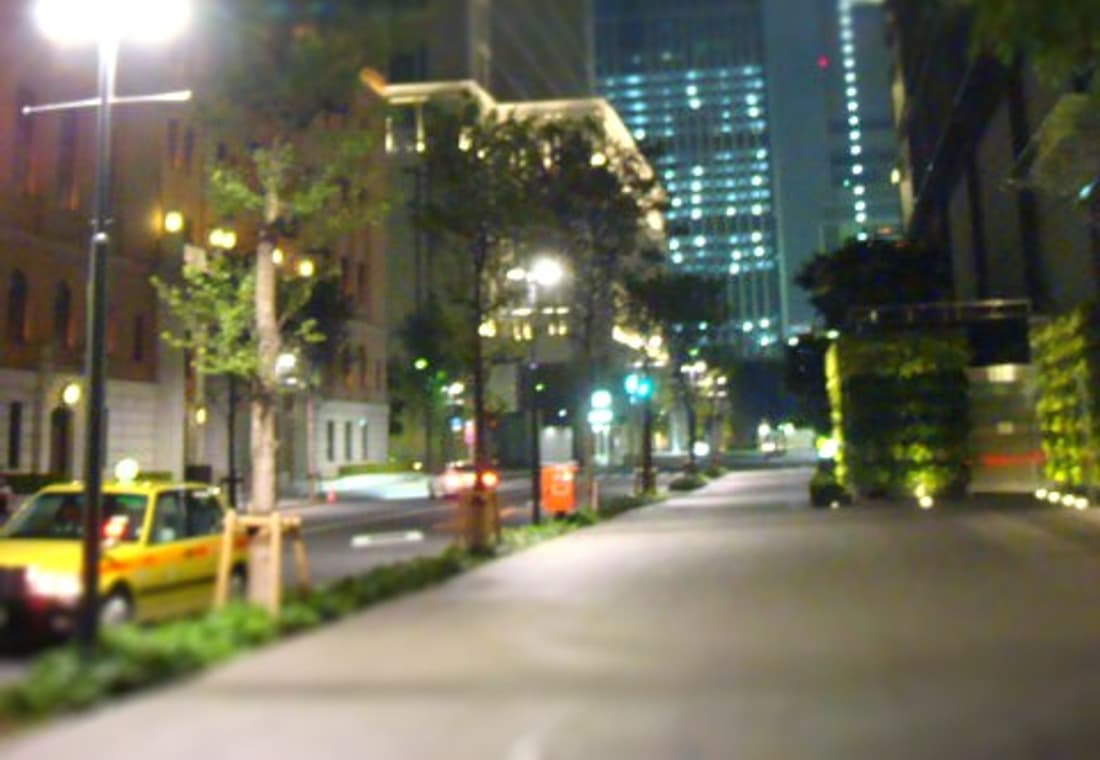
A wide avenue of zelkova trees runs through the office district, with shops and cafes down both sides and tables out on the pavement. It closes to traffic at weekends and lunchtimes.
Our take
The winter lights run from mid-November to mid-February down the whole avenue, with no ticket and no fenced-off enclosure.
- Cost
- Free
- Allow
- 30 minutes
Tokyo Character Street and Ramen Street
Two basement arcades inside the station
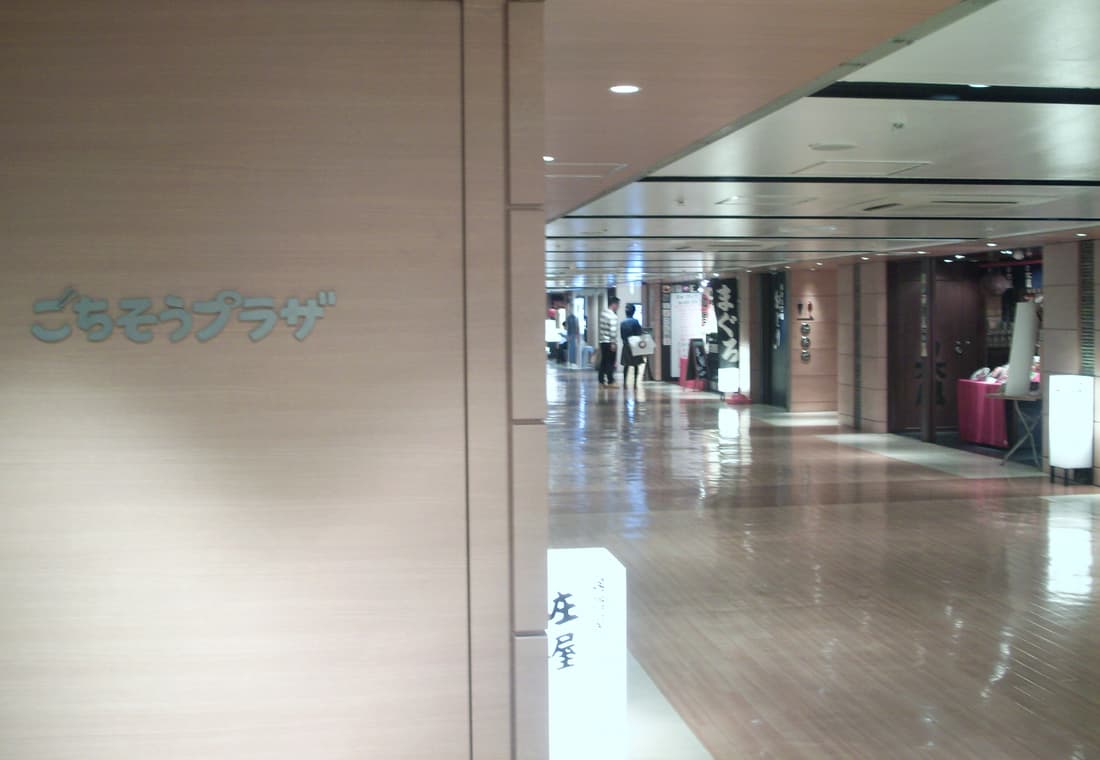
Down in the basement on the Yaesu side, one corridor holds about 30 shops each devoted to a single character franchise, and another holds 8 ramen counters picked to cover different regional styles. Both sit inside the station complex but you don’t need a ticket.
Our take
Ramen Street is a reliable fast meal rather than somewhere to go out of your way for. Useful before a Shinkansen. Expect a queue at all 8 shops between noon and 2pm.
Dr.yellowCC BY-SA 4.0
- Cost
- ¥1,000–1,500 for a bowl
- Allow
- 1 hour
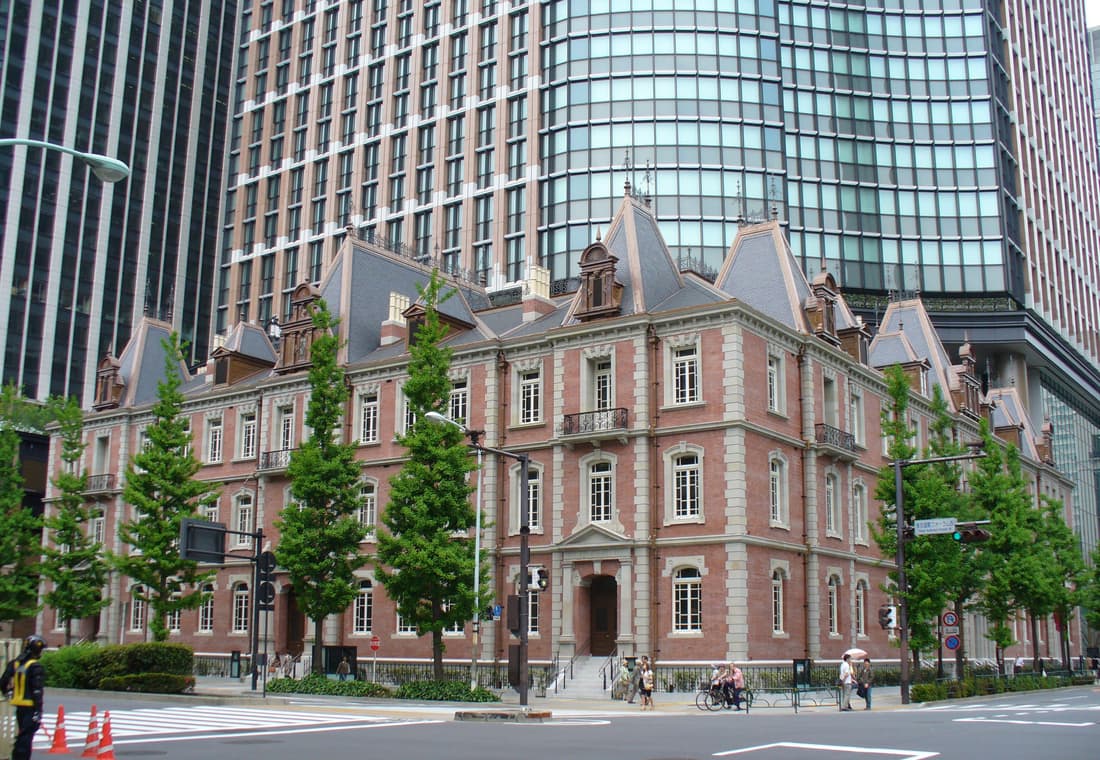
Mitsubishi Ichigokan Museum
Art museum in a reconstructed 1894 building
A red-brick Victorian office block, and the first western-style office building in the district. It came down in 1968 and went back up from the original drawings in 2010. It now holds a museum of 19th-century European and Japanese art, with a courtyard garden and a café in what used to be the banking hall.
Wish.FCC BY 3.0
- Cost
- About ¥2,000 depending on the exhibition
- Allow
- 1.5 hours
Sleeping in Marunouchi
The business district beside the Imperial Palace gardens. Polished, calm in the evenings, and the best-connected point in the country for going anywhere else. Stay here if you’re taking Shinkansen day trips, or you value a quiet street over being near a bar.
Asked about Marunouchi
What is there to do around Tokyo Station?
Three things worth the walk, all free. The restored 1914 red-brick station building. The roof terrace at KITTE looking down on it. And the Imperial Palace East Gardens, on the Edo Castle site, 10 minutes west. Add Naka-dōri for the winter lights and the basement ramen and character arcades inside the station, and Marunouchi is a comfortable half day.
Can you visit the Imperial Palace in Tokyo?
You can walk into the East Gardens for free. They’re the former inner defences of Edo Castle and include the stone base of the keep. The inner grounds where the Imperial family lives are closed except on 2 days a year, though you can book a guided tour of a limited route in advance. The East Gardens close on Mondays and Fridays.
Where is the best place to photograph Tokyo Station?
The KITTE rooftop garden, on the 6th floor of the building directly opposite the south dome. It’s free, open into the evening, and looks straight across the station roof and down onto the platforms. From street level the building is too long to fit in a frame, which is why most photographs of it come from up there.
Is Marunouchi worth visiting?
For half a day, yes. The station building, the free palace gardens and the KITTE roof are all genuinely good and cost nothing. It isn’t a full-day district and it isn’t an evening one, because it’s an office quarter that empties after 7pm. Its best use is the morning you leave or the afternoon you arrive, since every Shinkansen and both airport routes run through here.
How far is Marunouchi from Ginza?
About 10 minutes on foot, straight south down Chūō-dōri or through Yūrakuchō. The two sit next to each other and work well as one day: palace gardens and station in the morning, Ginza and a single act of kabuki in the afternoon.
Other districts in Tokyo
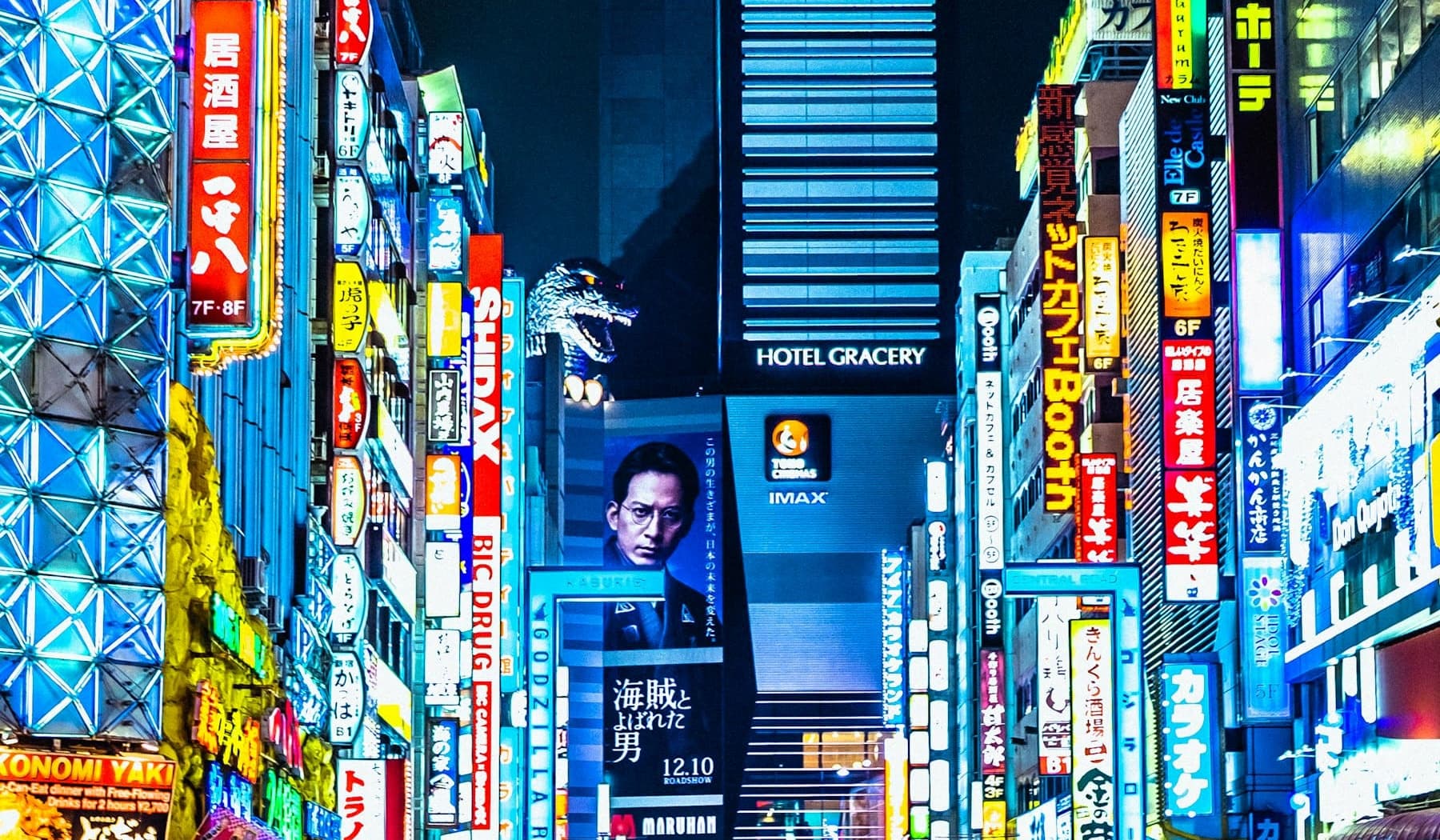 Things to do in ShinjukuThe busiest transport hub in the world, wrapped in department stores, izakaya alleys and the nightlife of Kabukichō. Loud, convenient, and never shut.
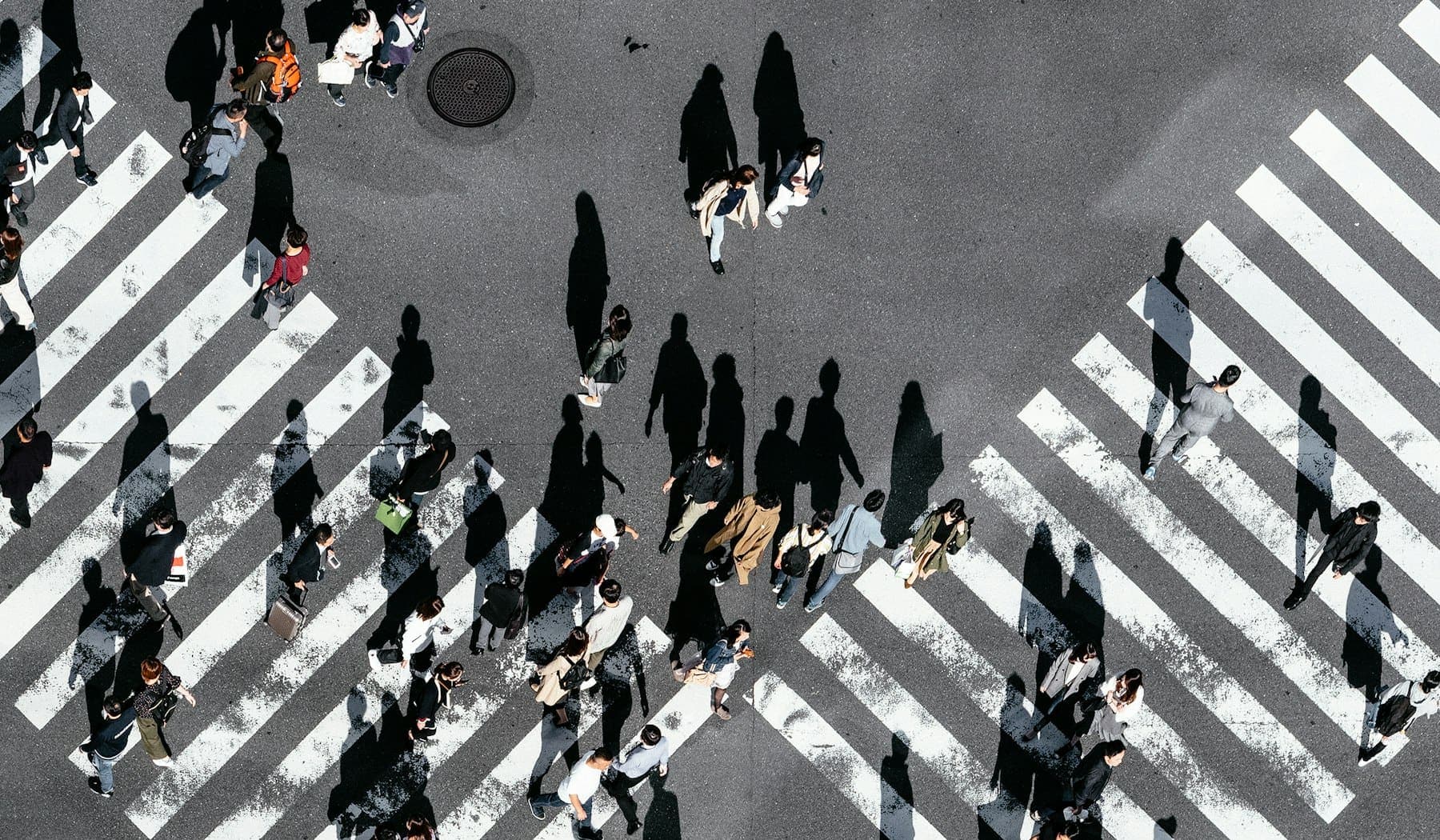 Things to do in ShibuyaYounger and more fashion-driven than Shinjuku, built around the famous crossing and spreading into the quieter backstreets of Tomigaya and Shōtō.
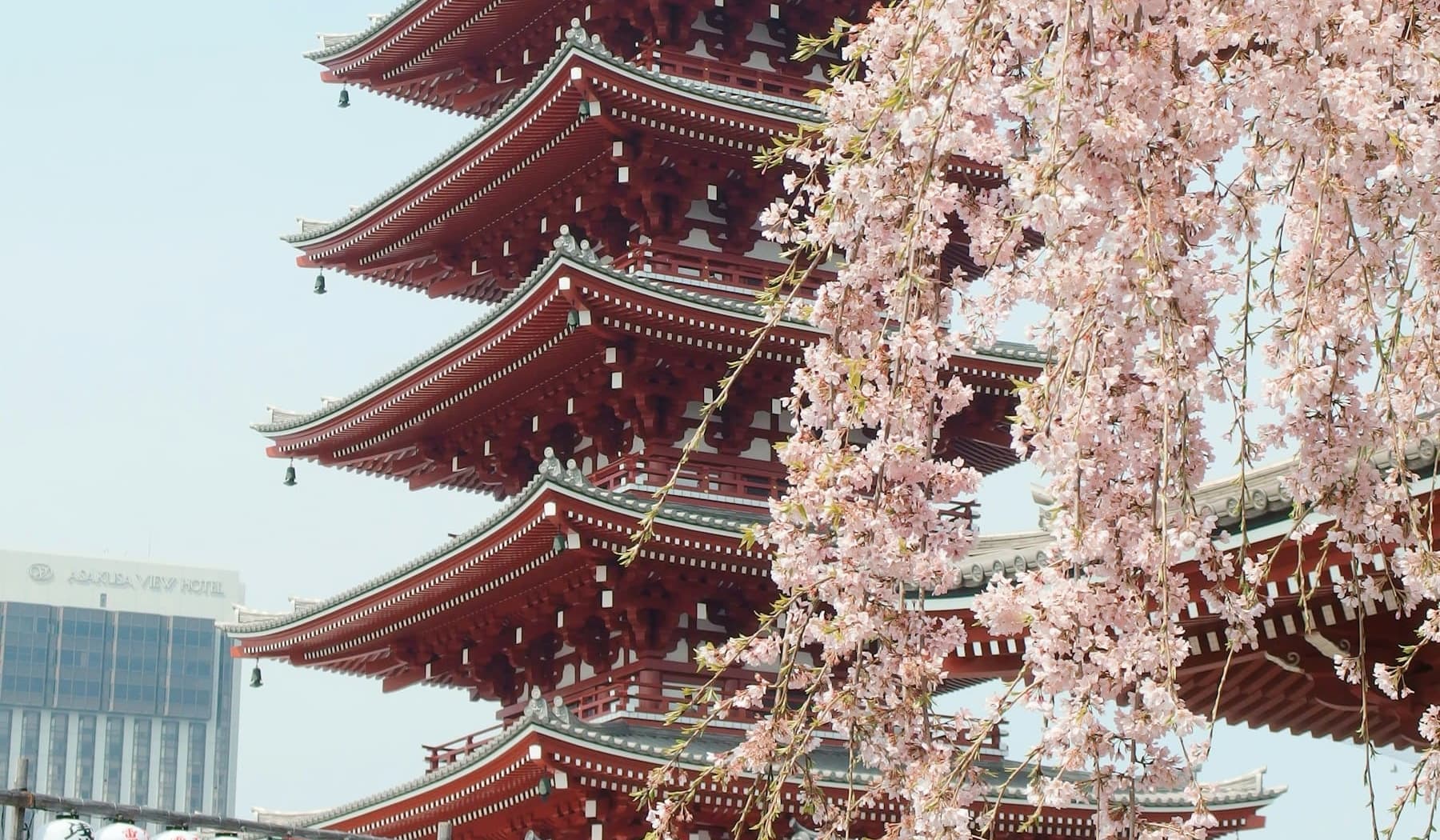 Things to do in AsakusaOld Tokyo around Sensō-ji temple, with low buildings, craft shops and a river. The cheapest of the areas worth staying in, and the best of them early in the morning.
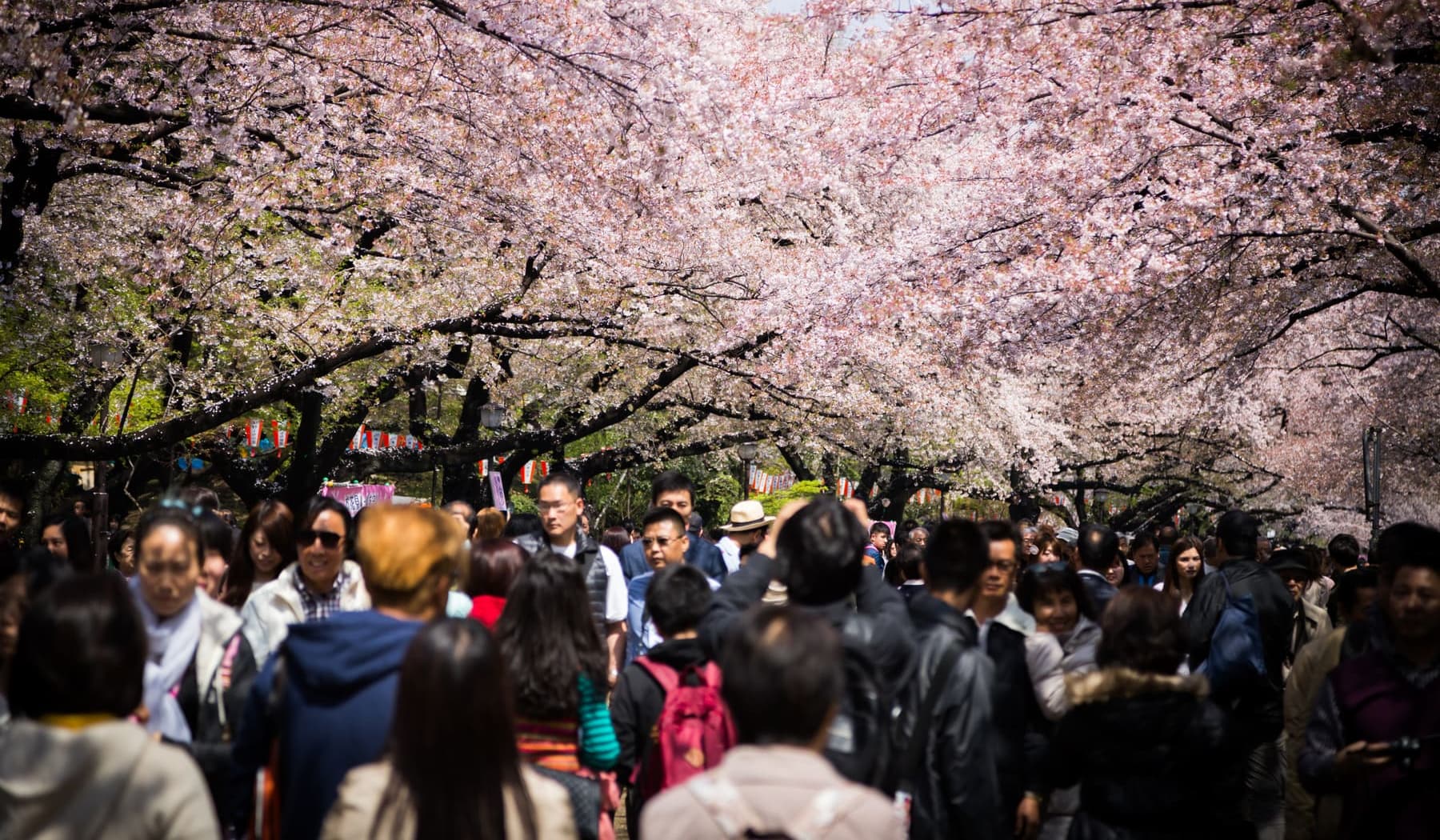 Things to do in UenoMuseums, a big park and a sprawling street market, with good-value rooms and a direct Skyliner from Narita.
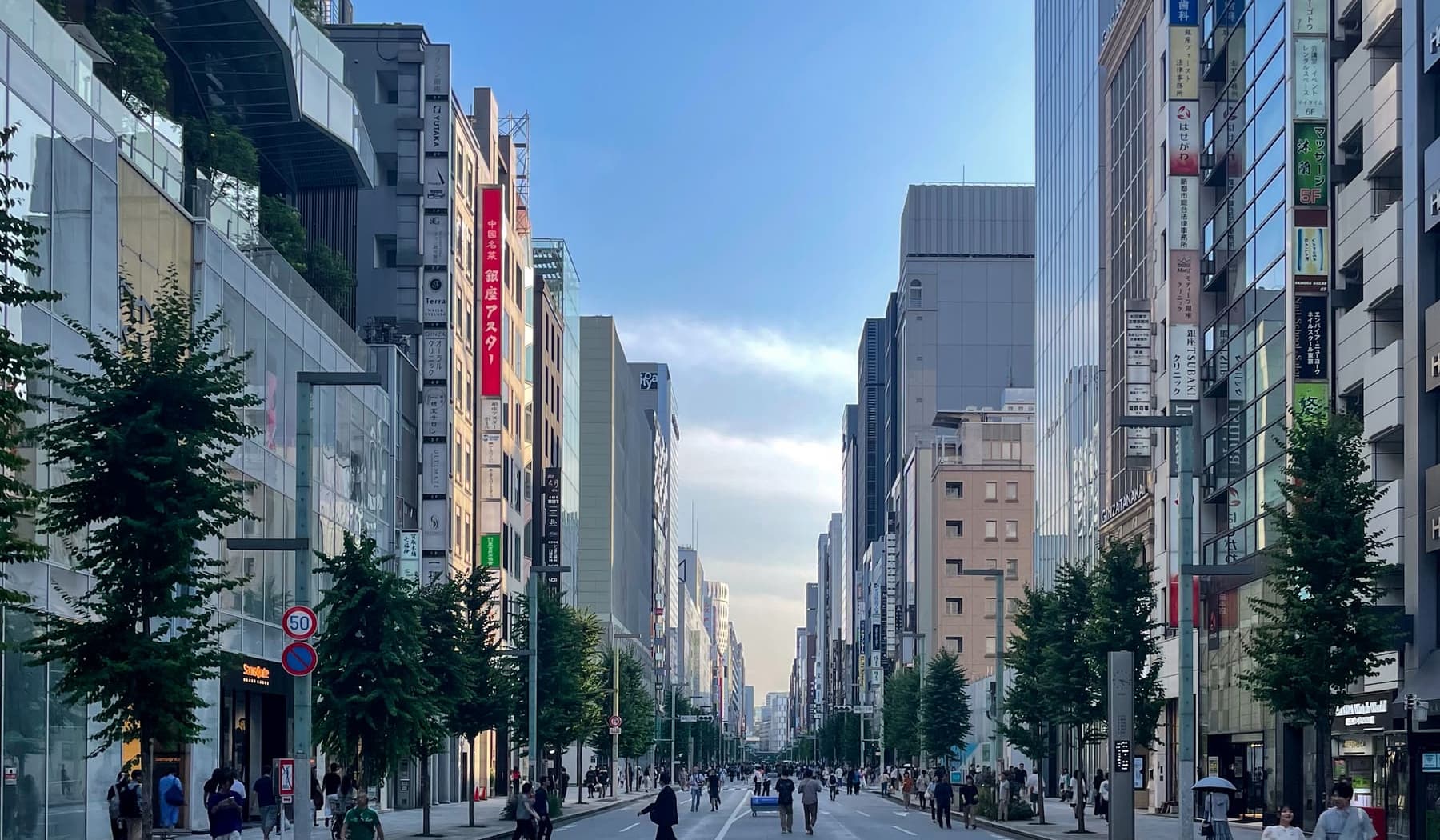 Things to do in GinzaTokyo at its most expensive and most composed. Flagship stores, serious restaurants and galleries, and largely quiet once the shops shut.